

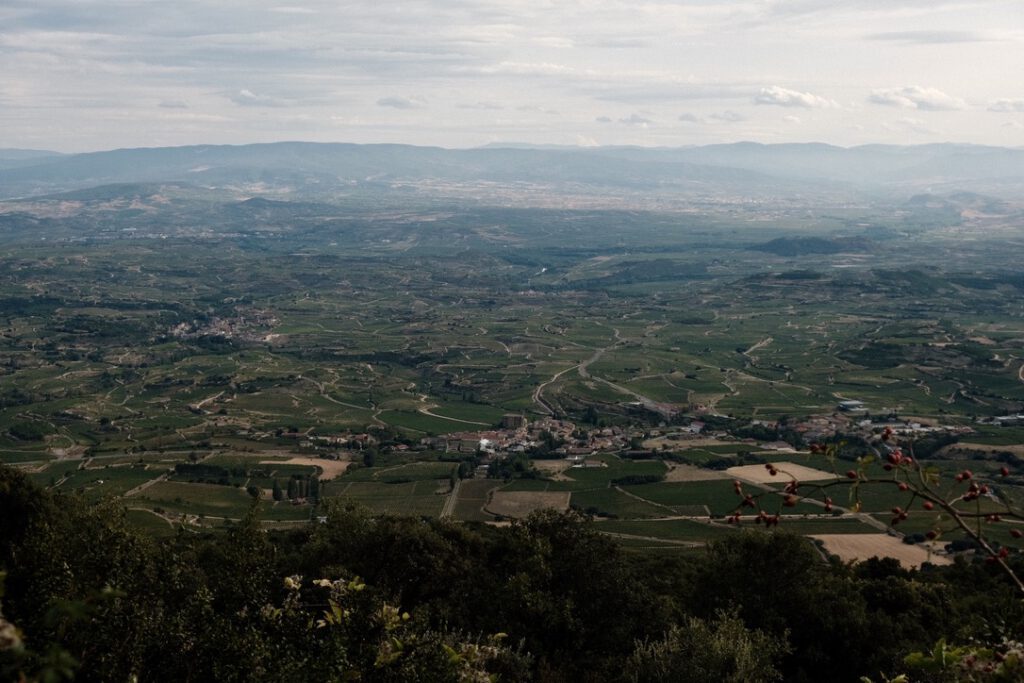
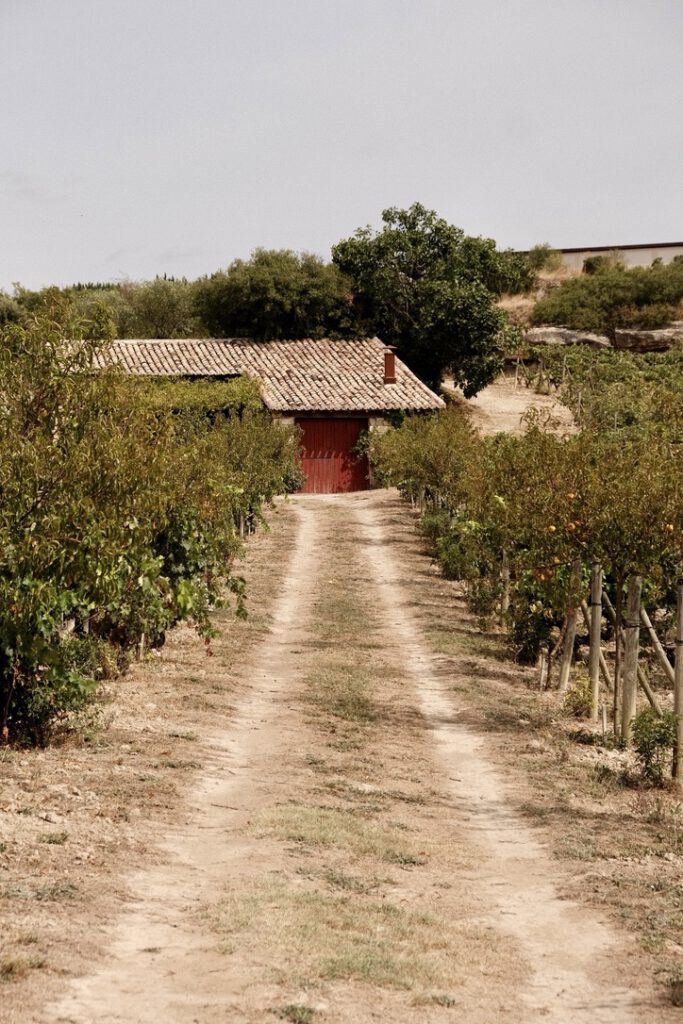
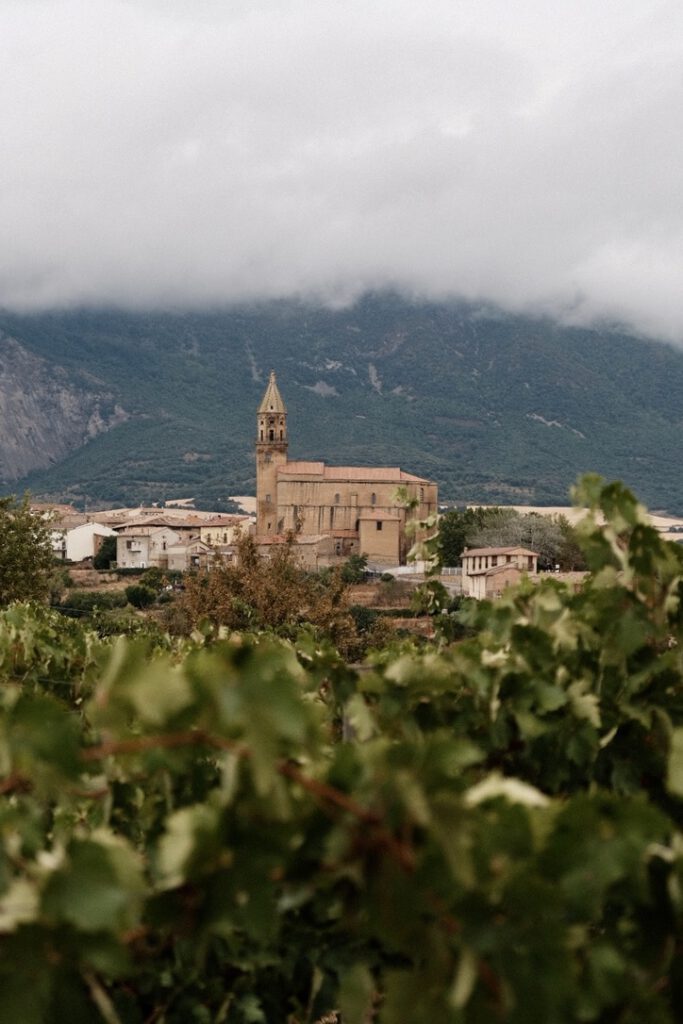
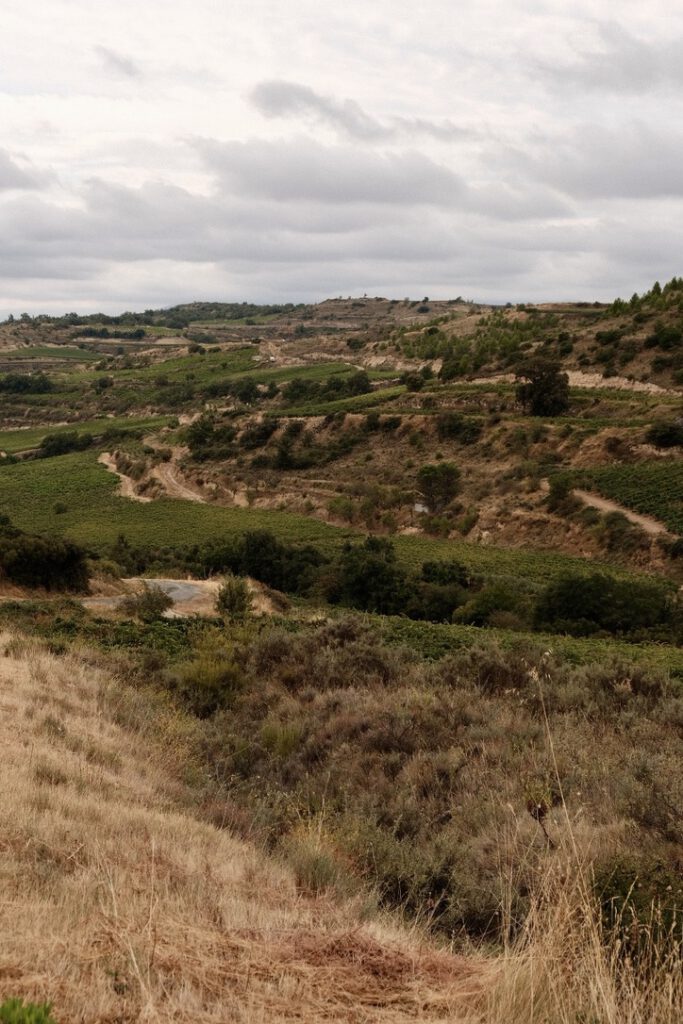
Rioja is a place you don’t understand if you only drink it. You have to see it. Feel it. Move through it. I was there last autumn. Lots of driving, not much sitting. Conversations down in cellars, dust on my shoes, cold wind rolling off the Sierra de Cantabria. And pretty quickly it hit me: Rioja is more exciting than it’s been in ages. And at the same time, brutally honest.
Max Kaindl, January 29, 2025
Reading time about 7 minutes
Rioja. Between patina and new beginnings.
A region reinventing itself without pretending to be someone else.
Spain’s wine miracle
Here, traditional methods, native varieties, and a self-image shaped over decades collide with modern research, fresh ideas, and a surprising appetite for change. Twenty years ago, hardly anyone would’ve bet on Spain becoming one of the most thrilling wine hotspots in the world. Today, that’s simply reality. There may not be another wine country right now where you can feel this much momentum—this much curiosity, and this much friction.
And then there are regions like Rioja. Regions that don’t get jittery. That build on their history without clinging to it. Where old-school styles, innovation, brilliant wines, and shockingly forgettable mass production exist right next door to each other. Sometimes even in the same village. Rioja isn’t an easy place. But that’s exactly why it matters.
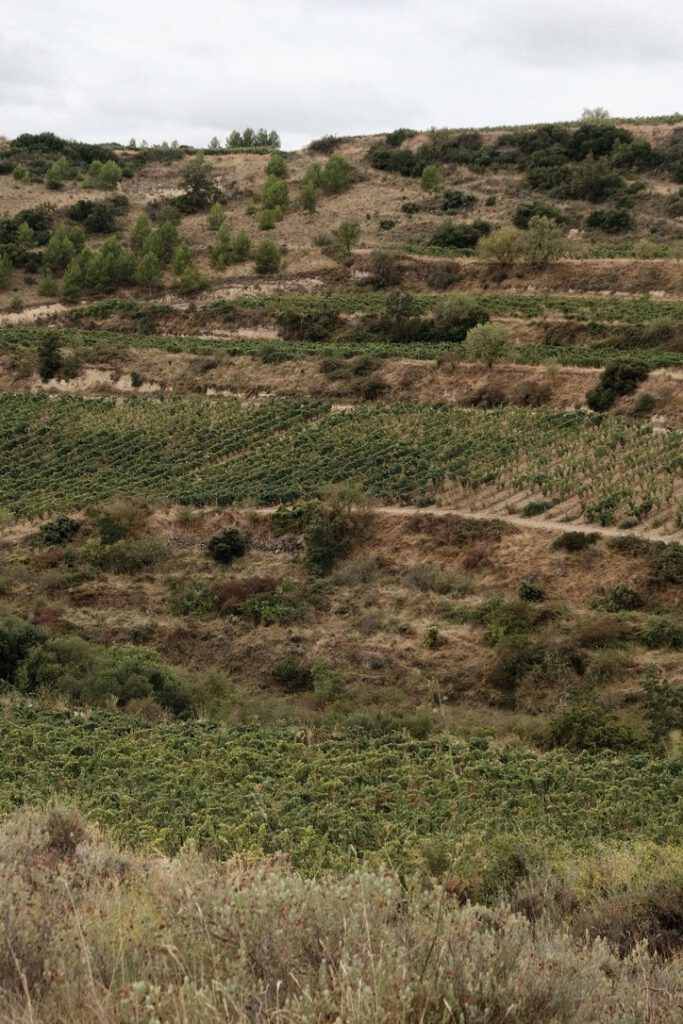
Rioja: Historically relevant
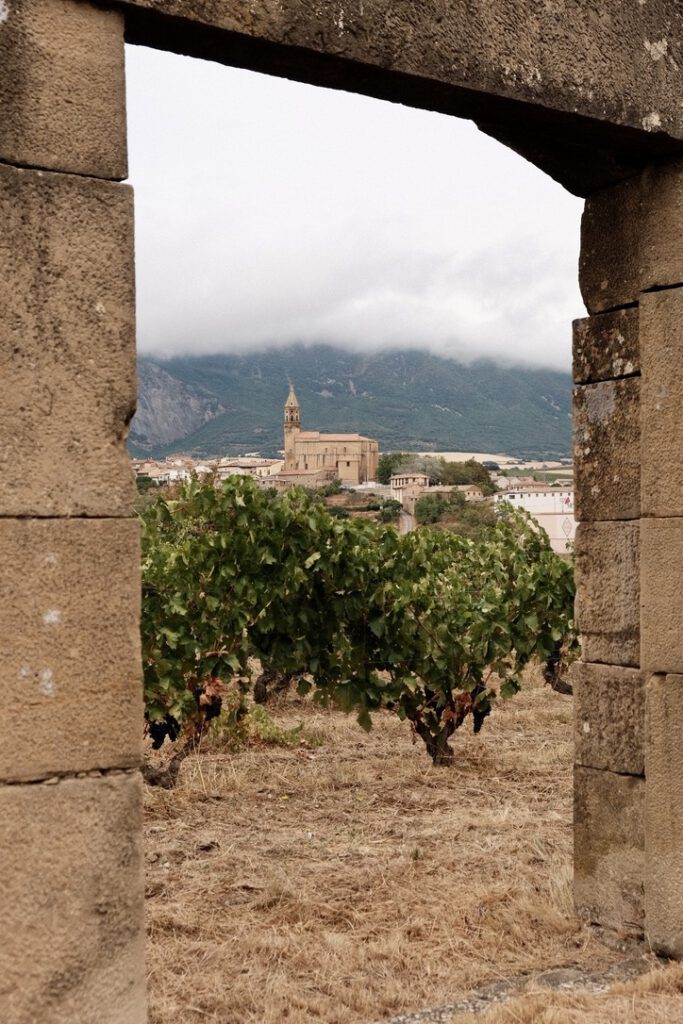
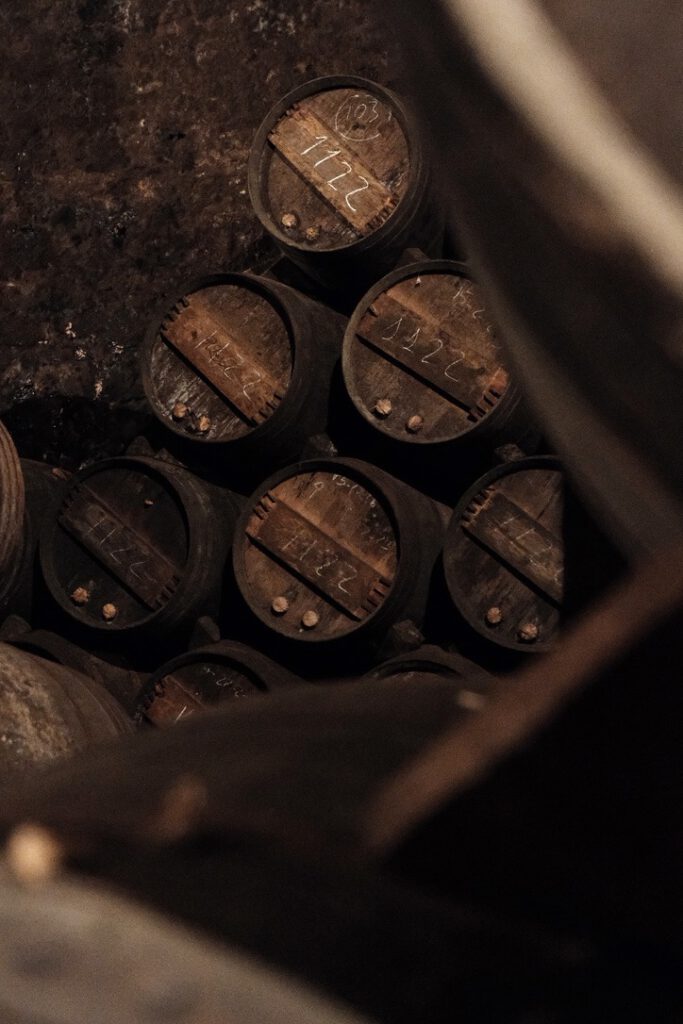
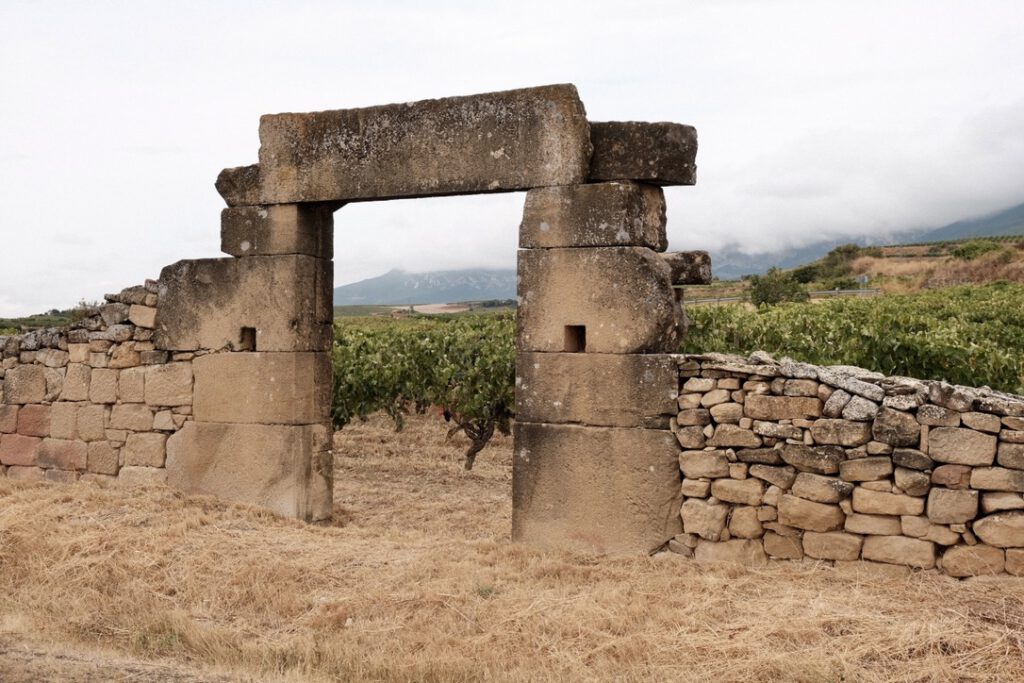
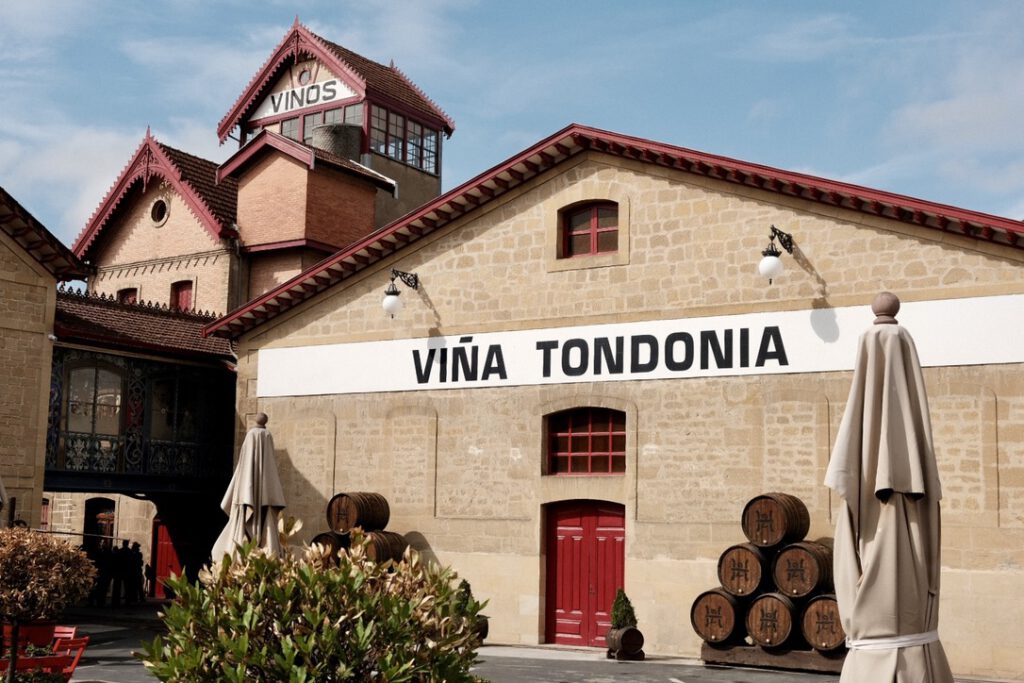
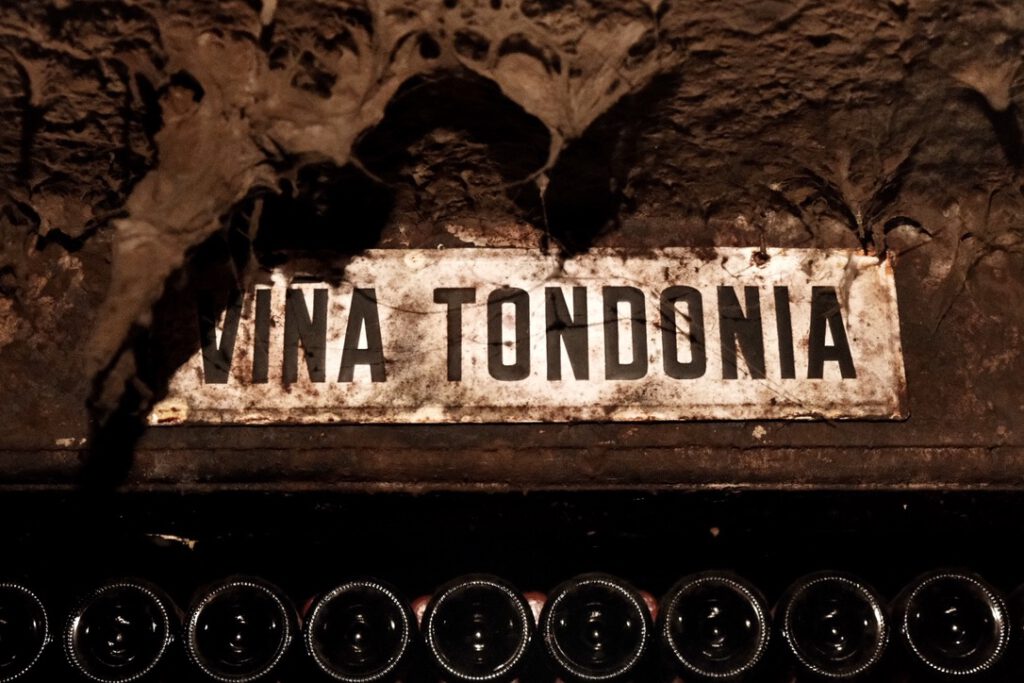
Historically, the big rise began in the late 19th century, when phylloxera brought France to its knees. Capital, know-how, and ambition crossed the Pyrenees. Along the Ebro, large bodegas sprang up in a short time. Impressive architecture, and the most advanced technology of the day. The market, led by England, wanted a substitute for Bordeaux. Haro delivered. That’s where the classic Rioja style took shape: elegant, finesse-driven, fruit-led, powerful yet silky. Marked by American oak, deliberately oxidative, built for ageing.
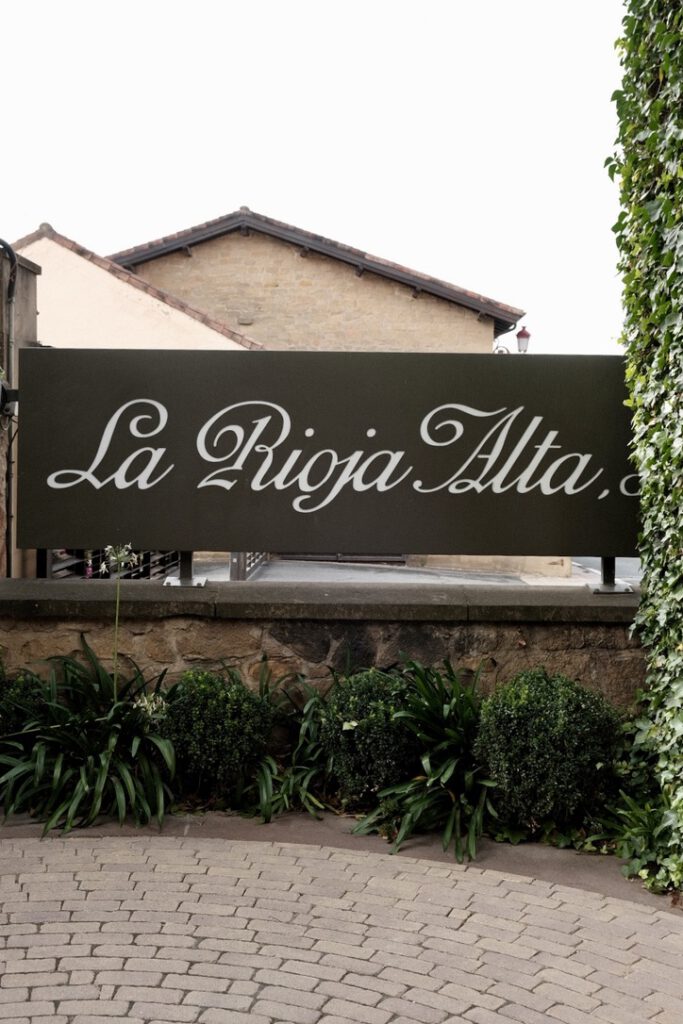
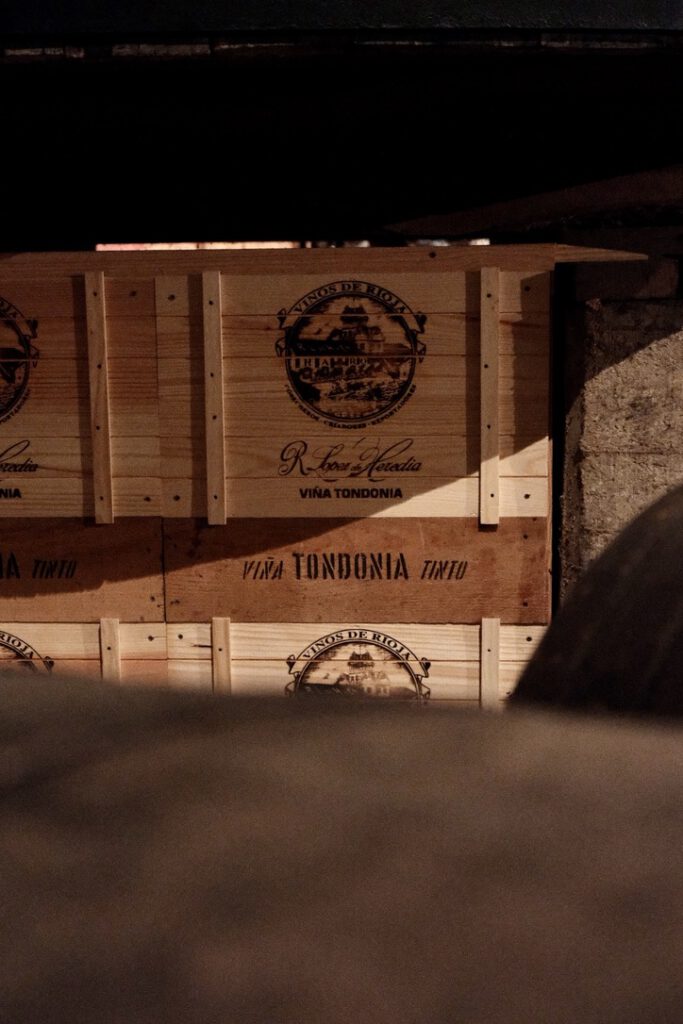
Names like López de Heredia, La Rioja Alta, and Marqués de Murrieta stand for that great tradition. Timeless wines with depth and serious longevity. But also for a style that was copied endlessly and not always understood. Alongside the great classics, there was always plenty of mediocrity too. That’s part of the truth.
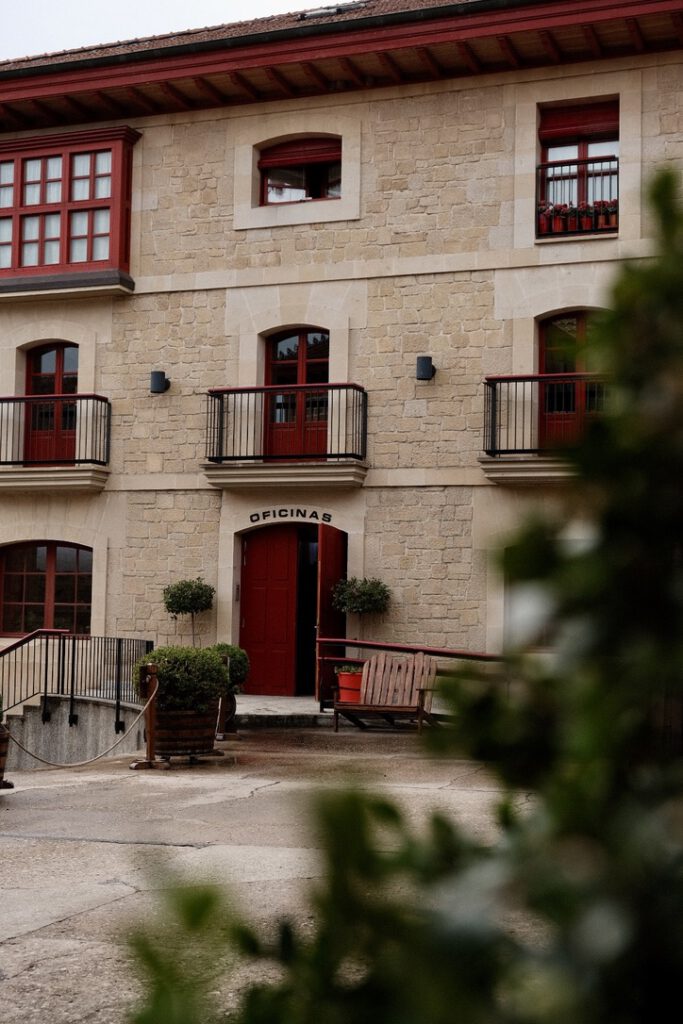
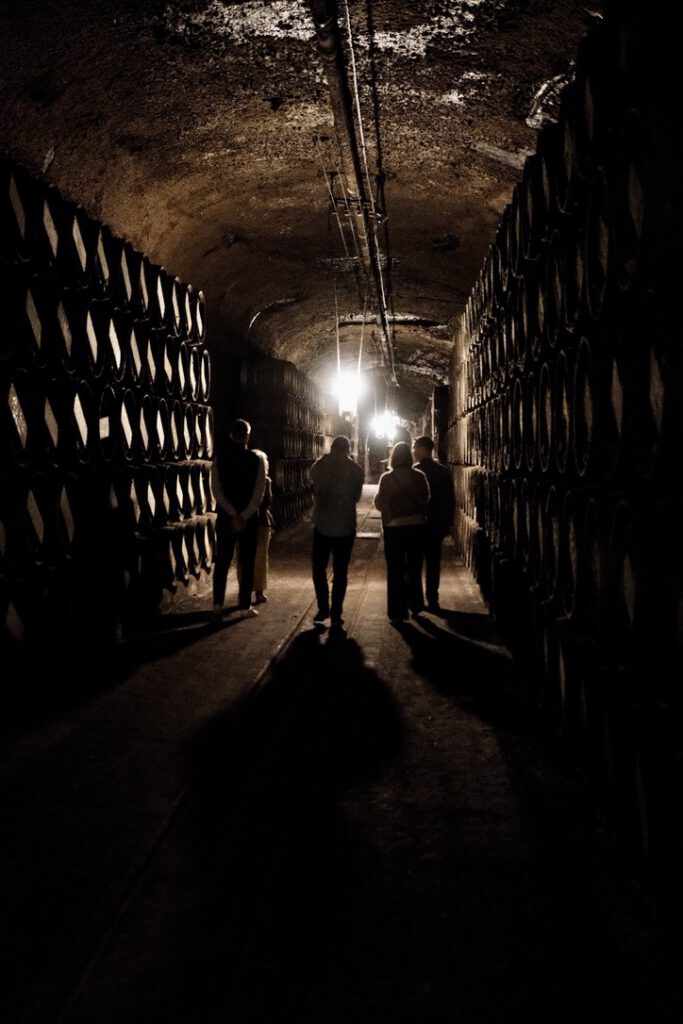
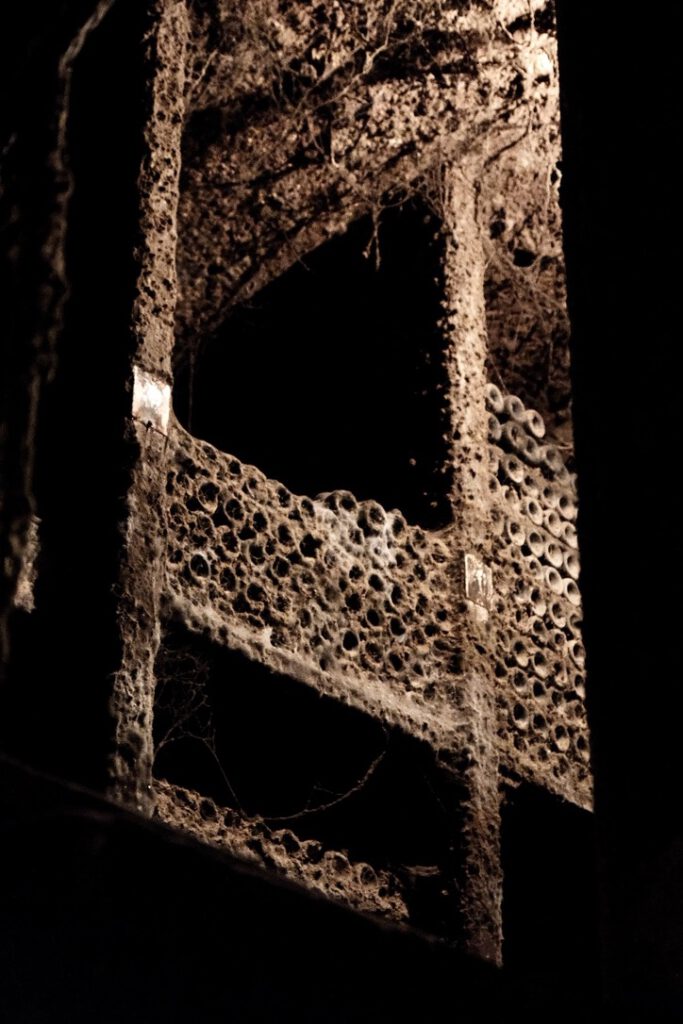
The sub-regions: Rioja Alta, Rioja Alavesa and Rioja Oriental
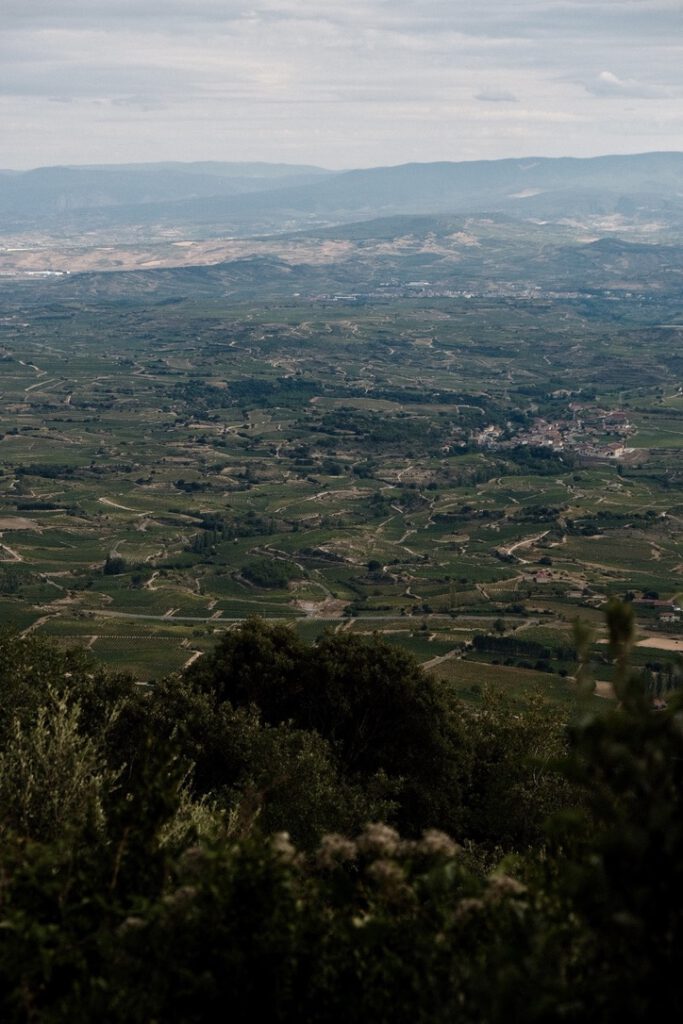
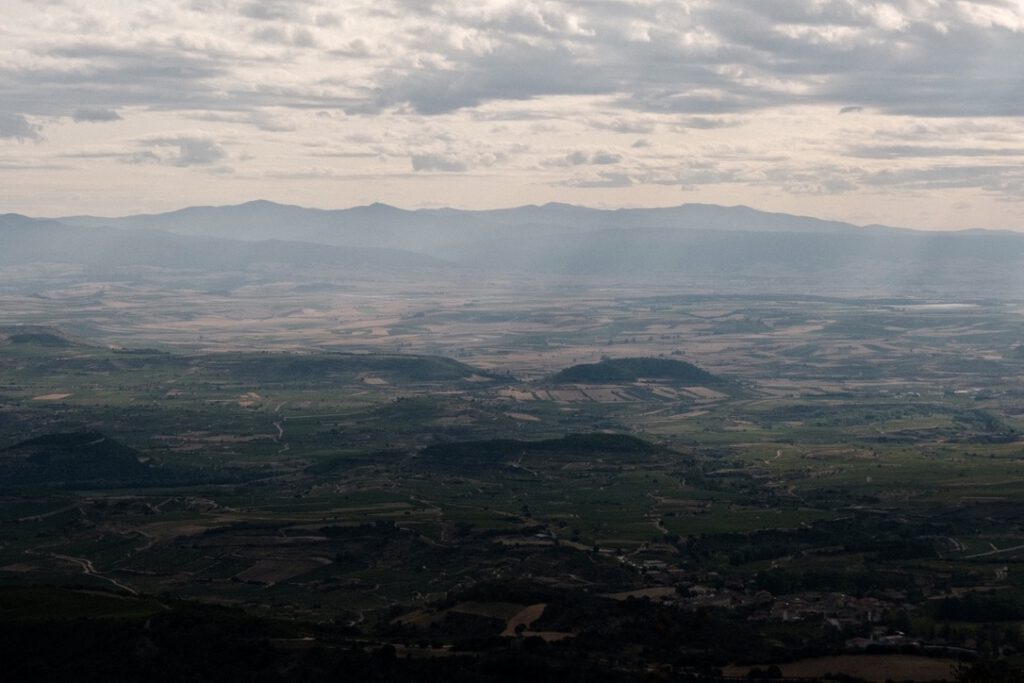
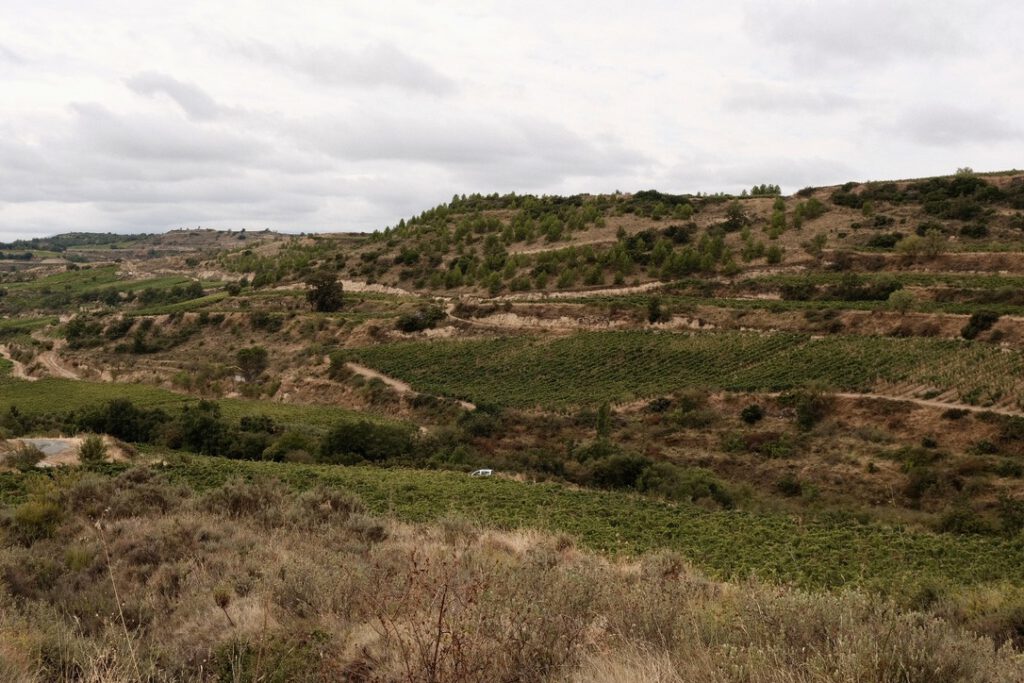
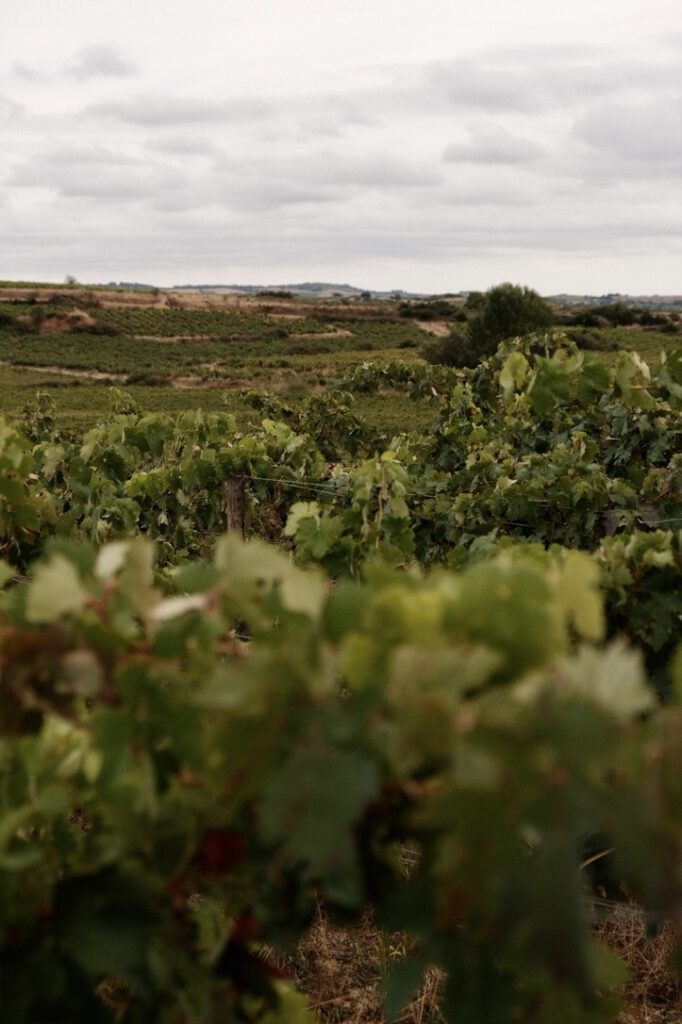
Geographically and stylistically, Rioja is anything but uniform. Around 65,000 hectares, roughly 300 metres of elevation difference, and three clearly distinct subregions.
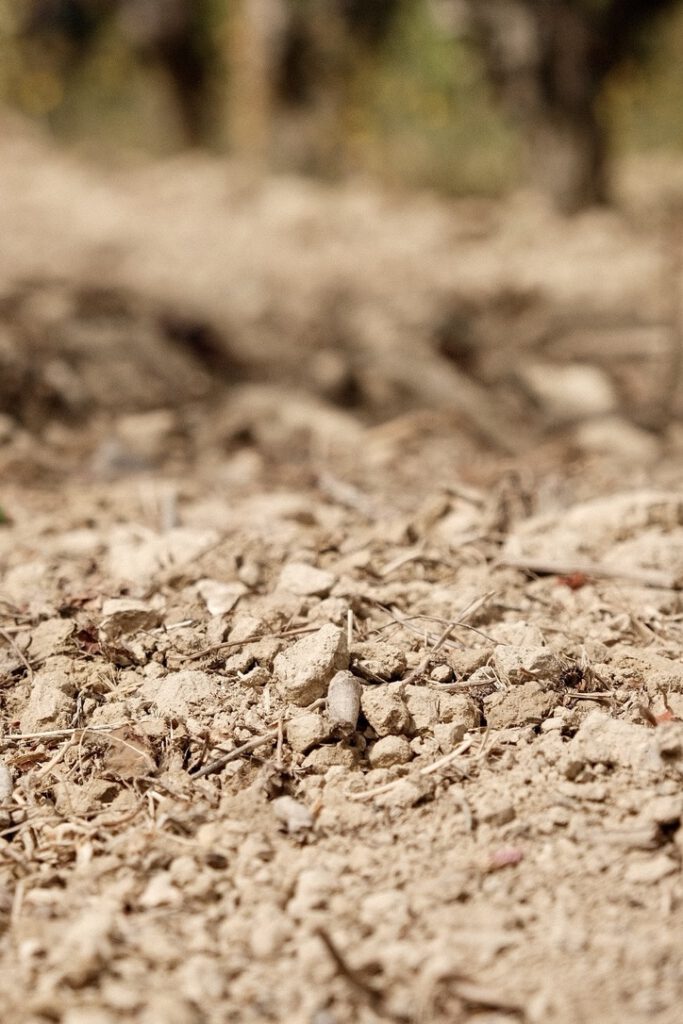
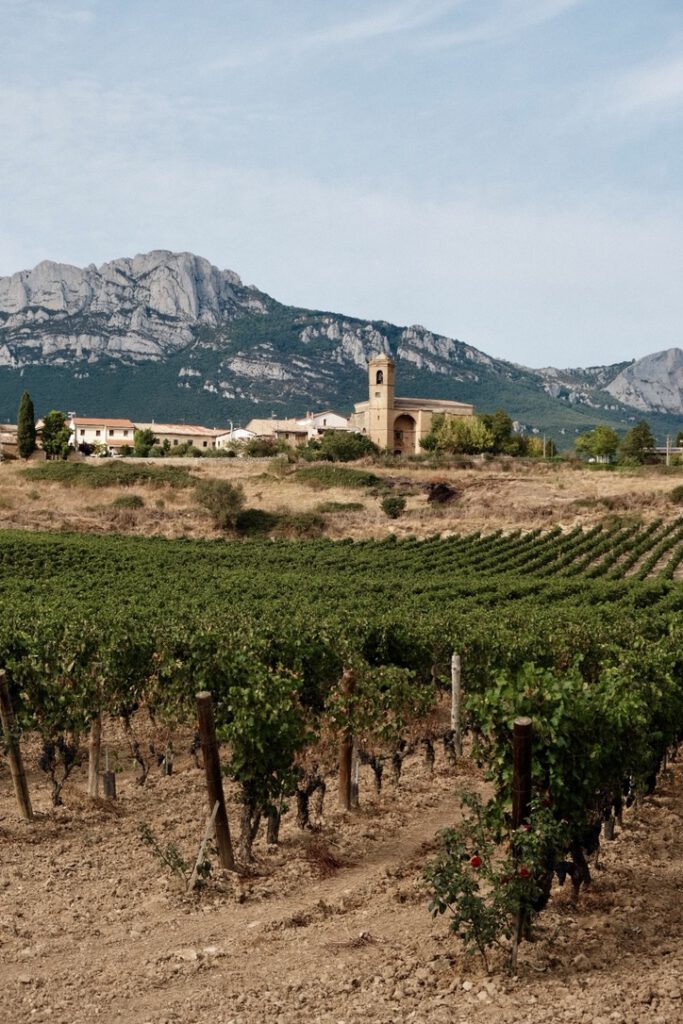
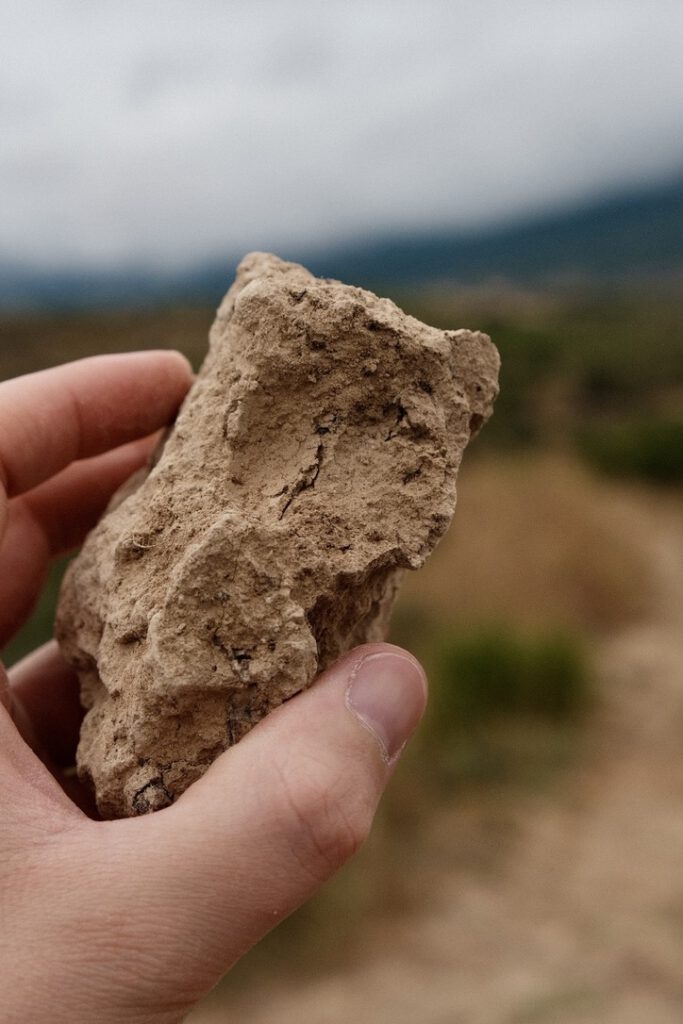
Rioja Alta in the west is historically the beating heart. Clay soils with limestone and iron, a relatively mild climate, higher rainfall. Around Haro you find the most classic wines of the region, usually Tempranillo-based: elegant, red-fruited, wood-spiced, with fine tannins. Powerful, but subtle. These wines are made for the local cuisine lamb, game, stews. That’s not marketing. That’s culture.
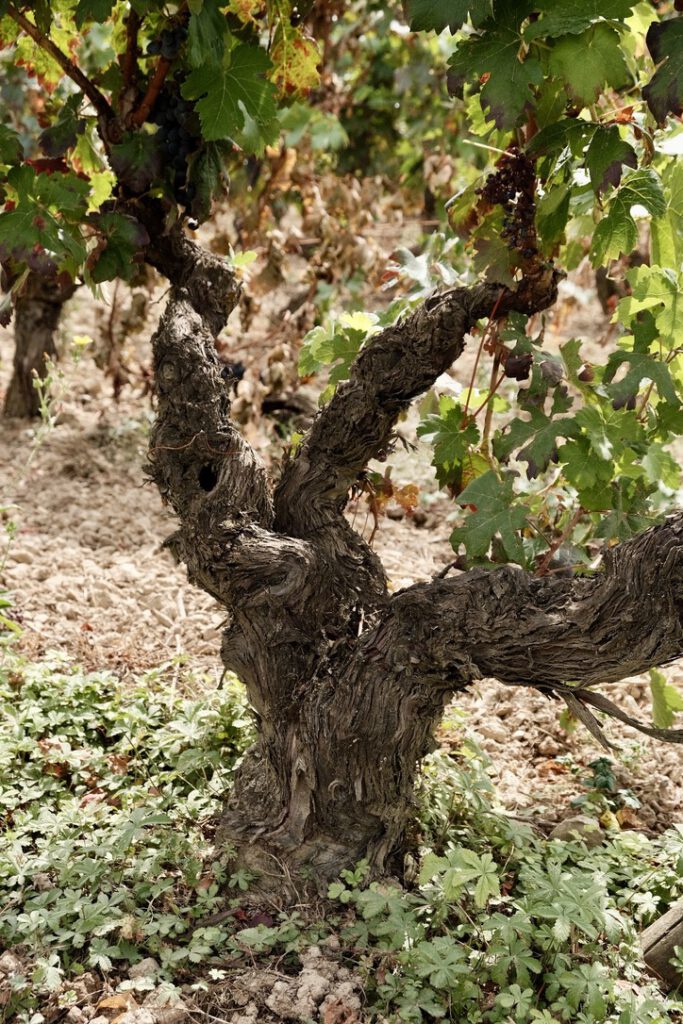
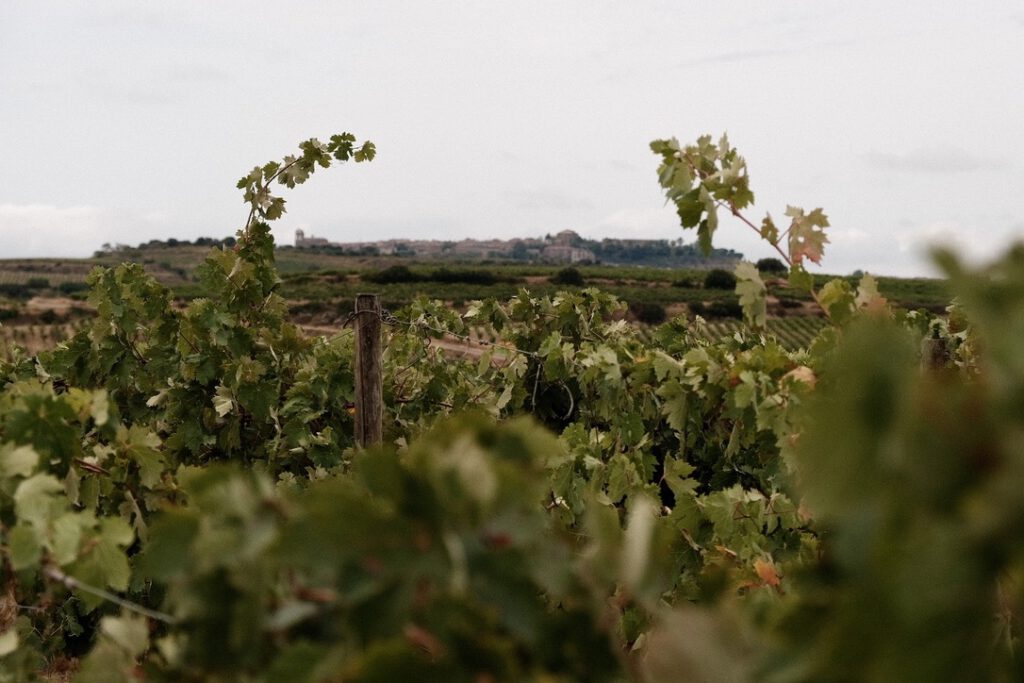
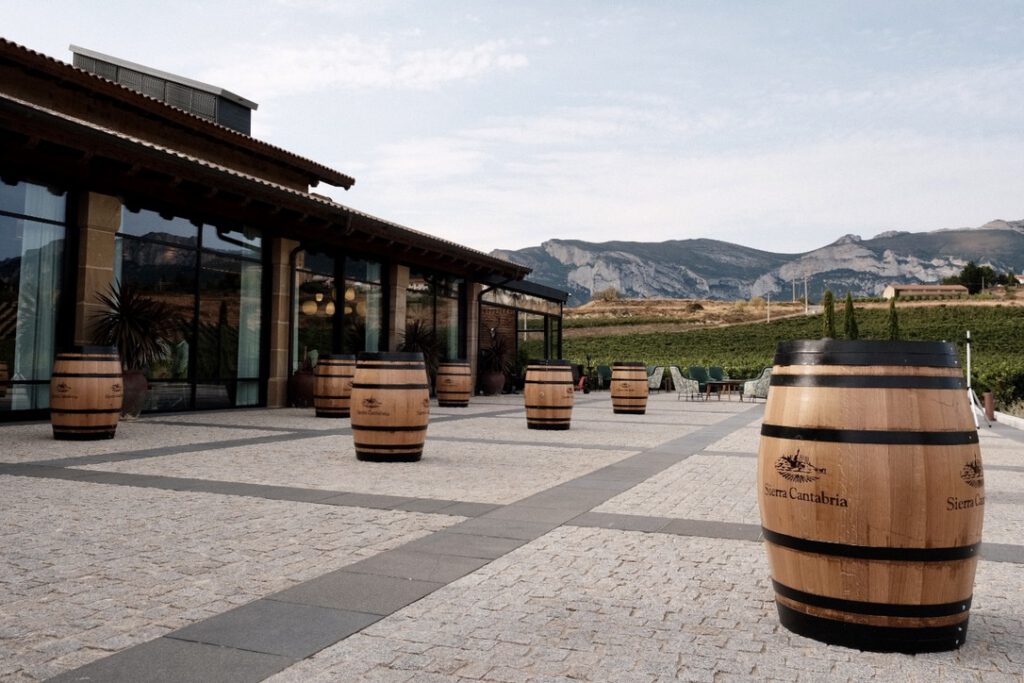
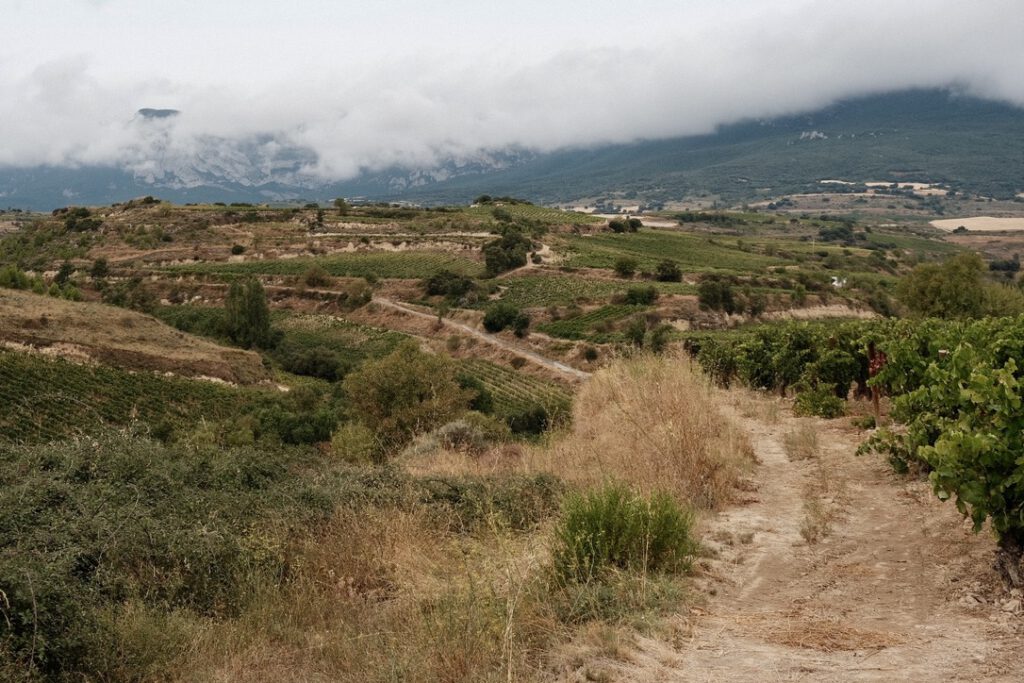
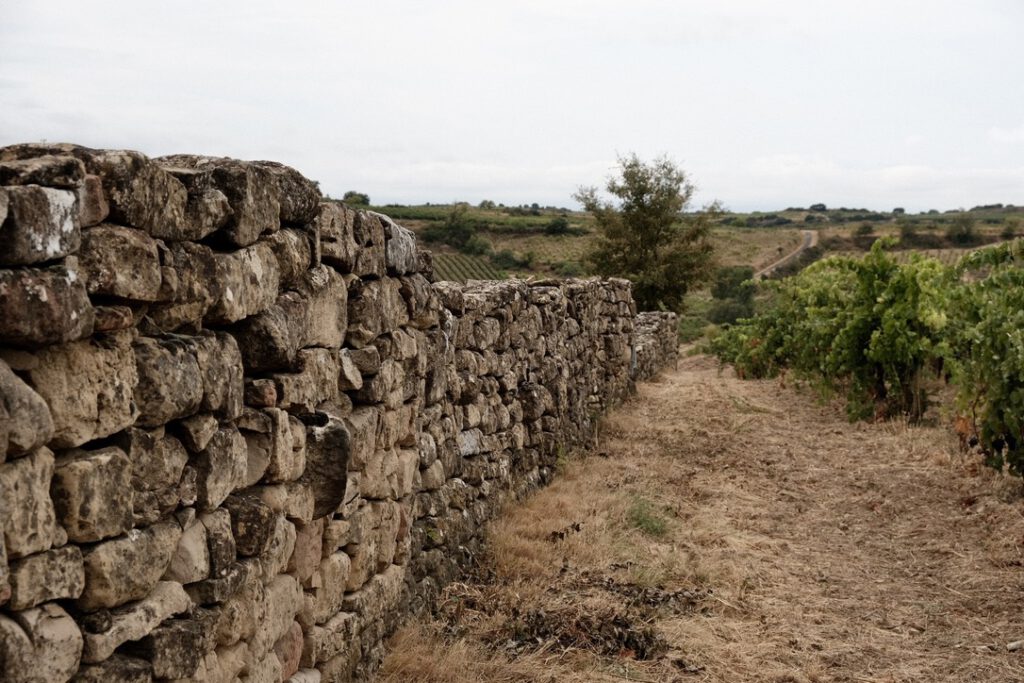
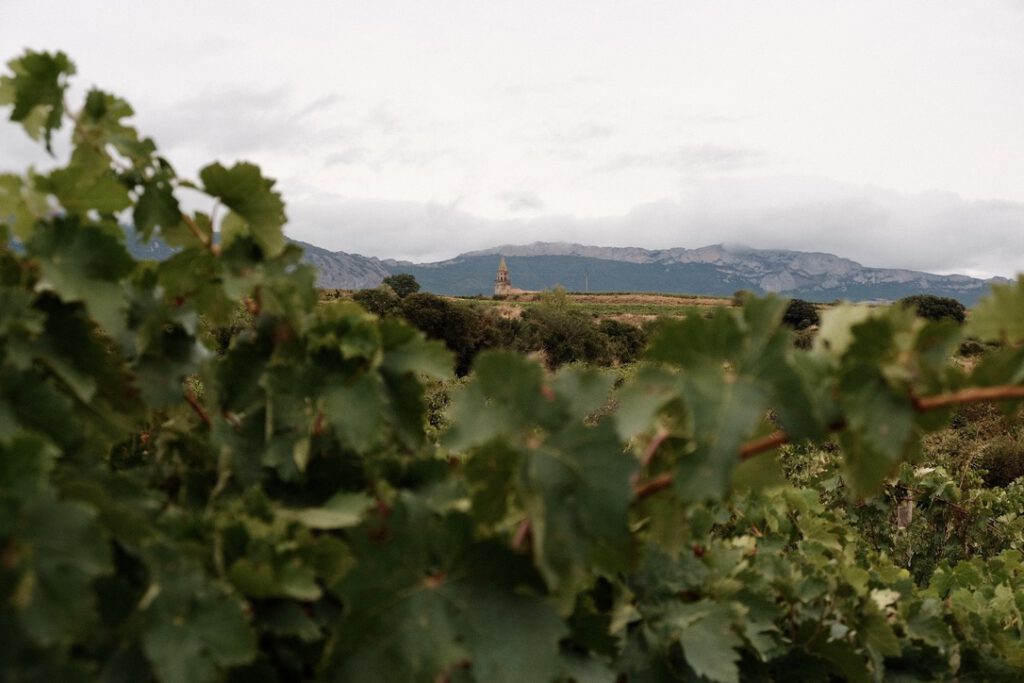
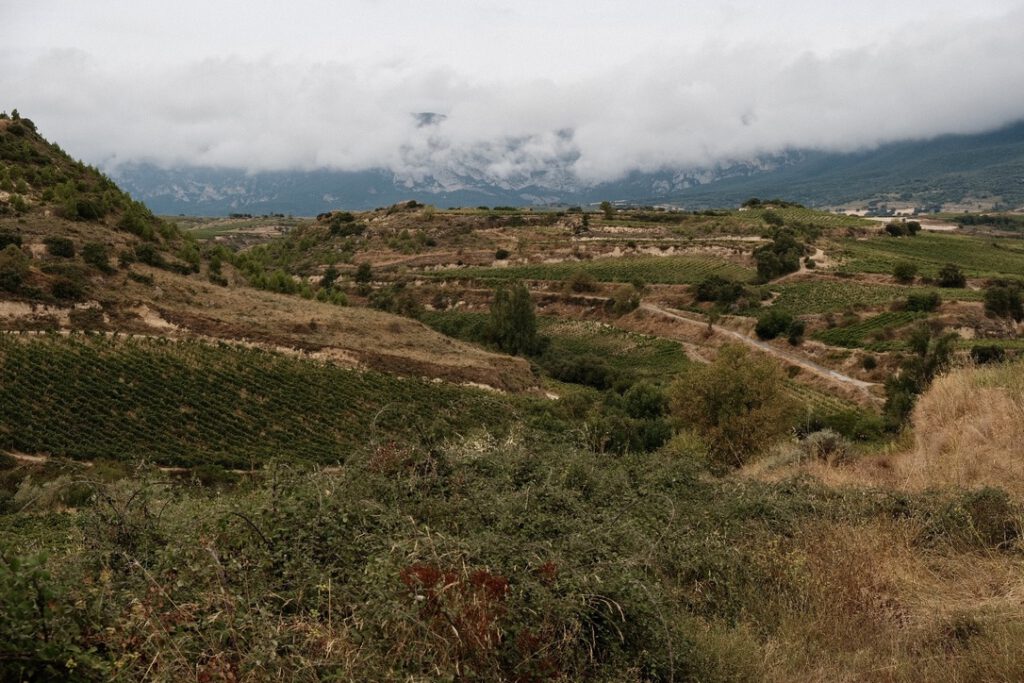
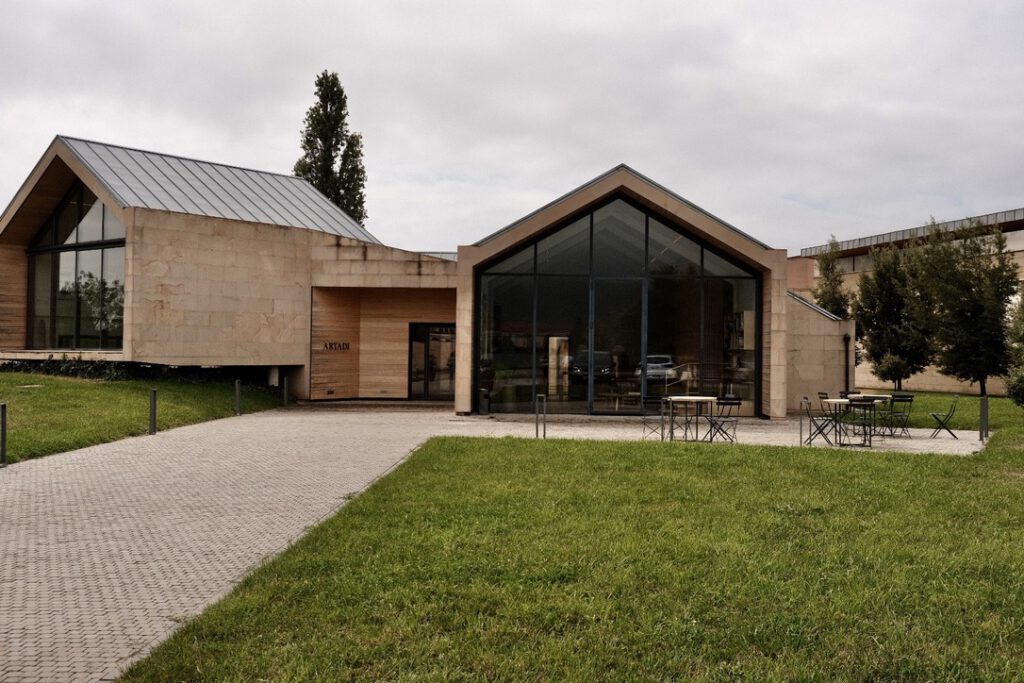
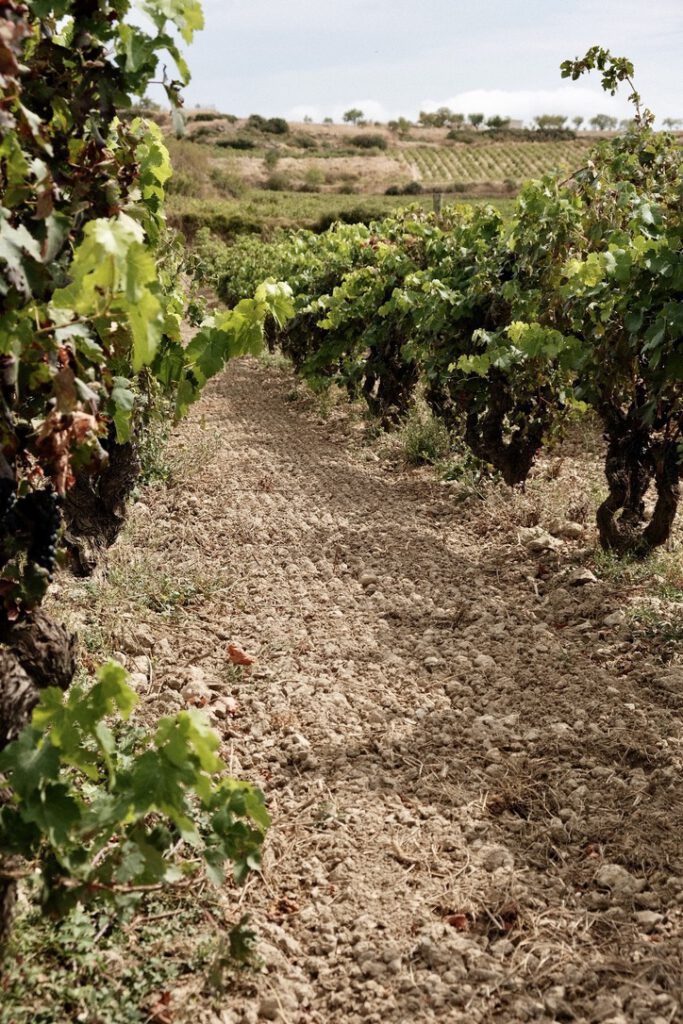
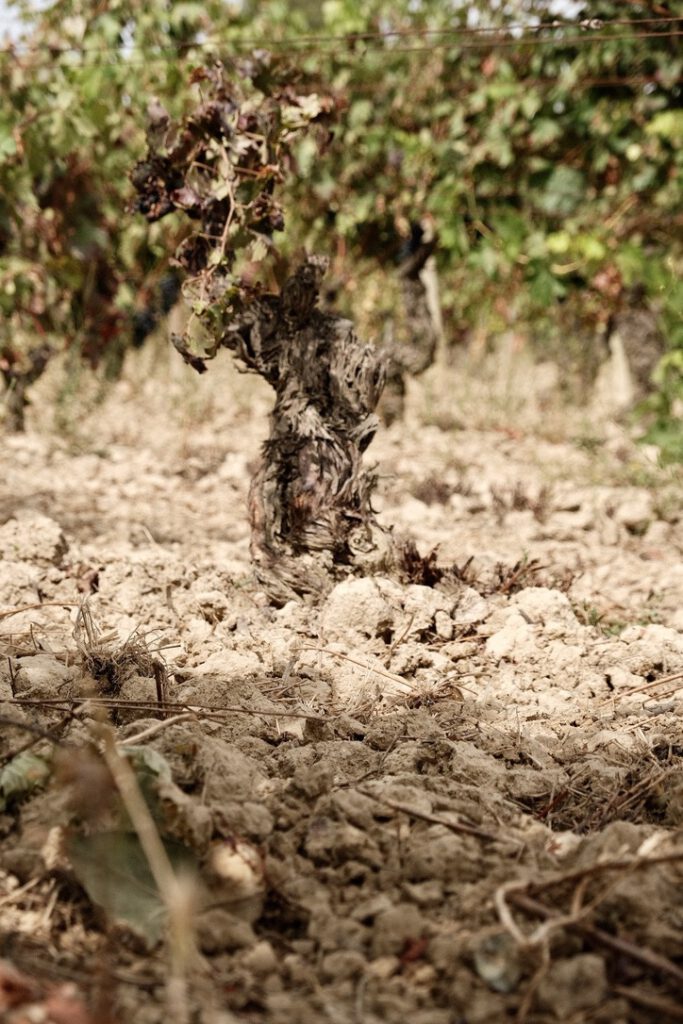
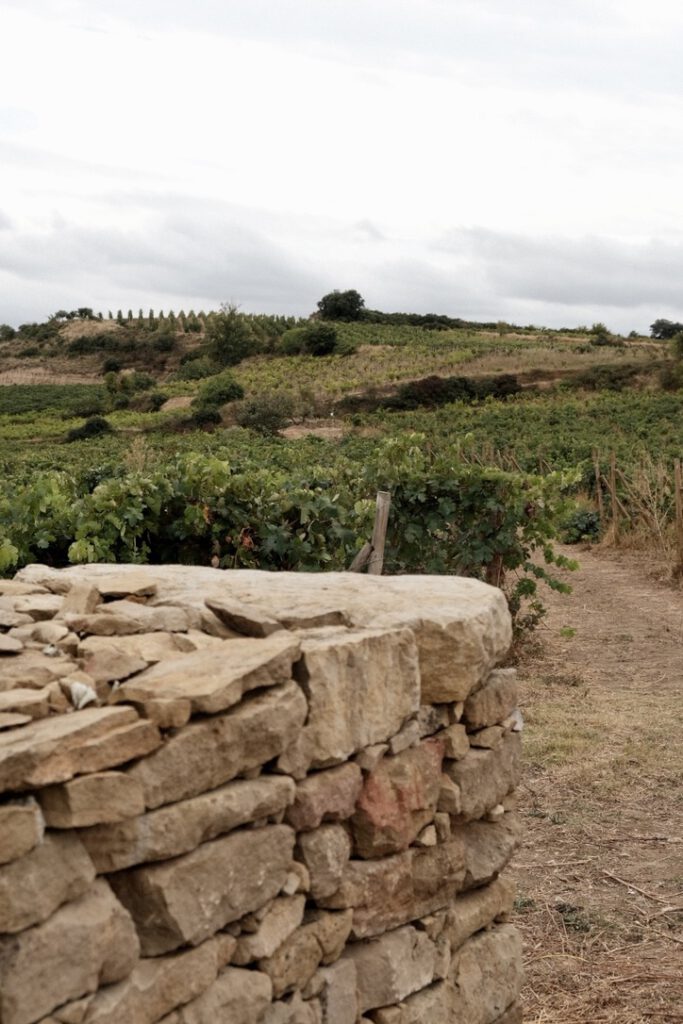
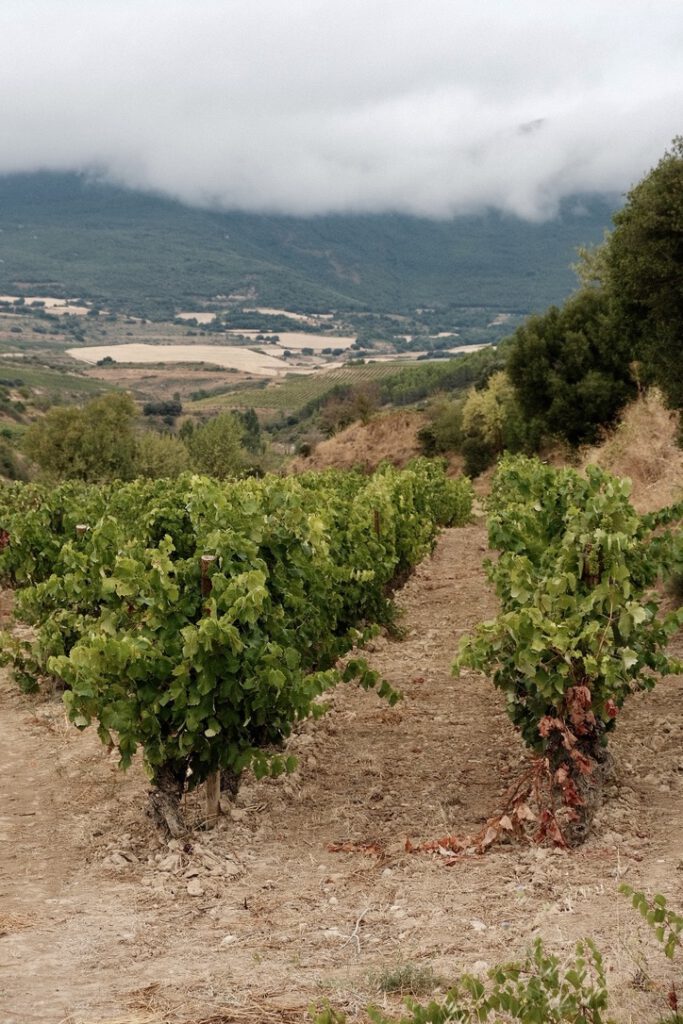
A completely different feel in Rioja Alavesa on the left bank of the Ebro. Basque influence, higher altitude, noticeably cooler. Limestone, sediment, sand. Vineyards tucked up against the Sierra de Cantabria. This is where things have been moving fast for years. The best producers here are already playing in the international top league: Remelluri, Artadi, Contador, Telmo Rodríguez, Artuke, Oxer Wines. A lot of the rebels are based here. Organic farming. Lower yields. Bush vines. Native ferments. Concrete. Amphorae. Large oak. The wines are more mineral, more finesse-led, often more transparent. For me, this is currently the most exciting part of Rioja.
And then, in the east, Rioja Oriental. Warmer, more powerful, long underrated. Garnacha takes centre stage here. Dense, aromatic wines with real drive. World-class bottles come especially from Álvaro Palacios and his family estate Palacios Remondo. Álvaro is one of Spain’s true greats—both in Rioja Oriental and in Priorat. A Garnacha master.
The classic grape varieties and their development
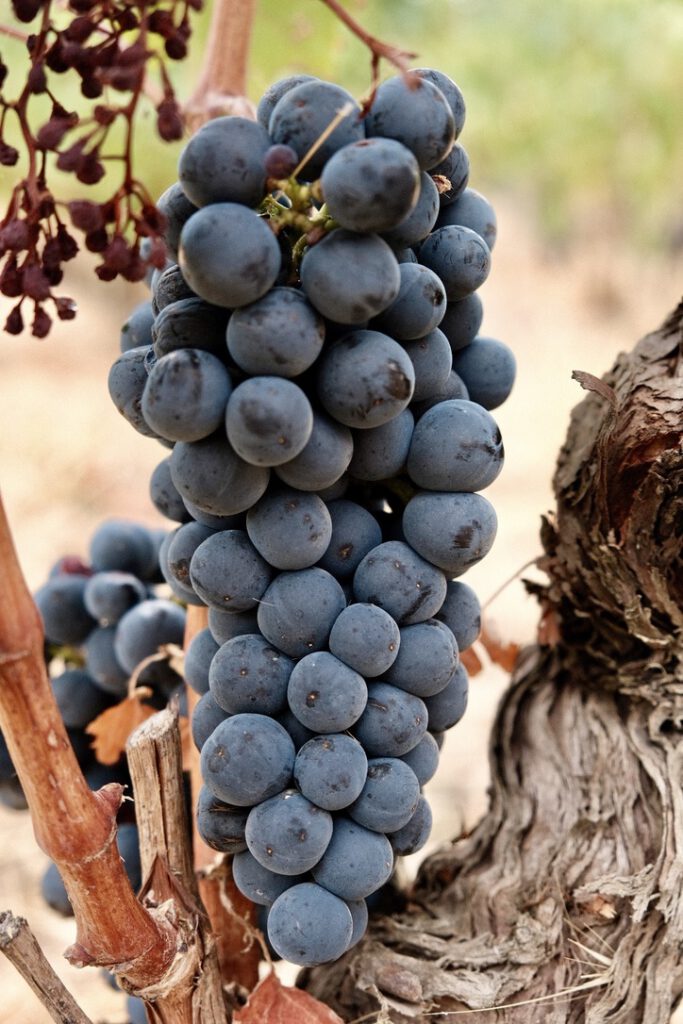
Tempranillo and Garnacha dominate the region. But old native grapes like Graciano, Maturana, and Mazuelo are also enjoying a well-deserved comeback. They bring freshness, structure, and spice to many of the best blends.
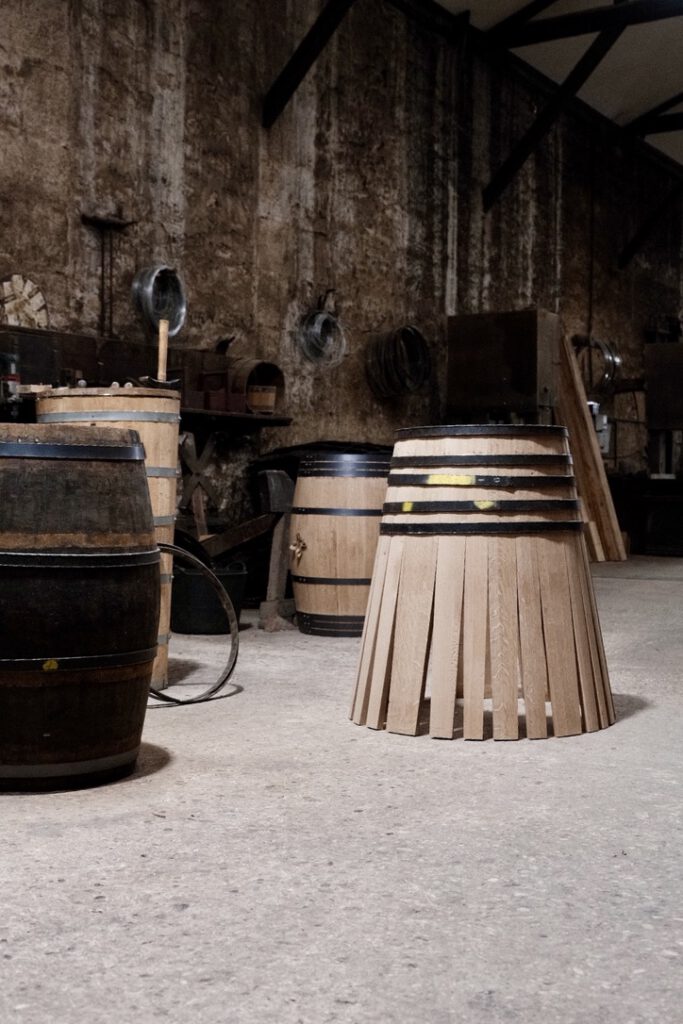
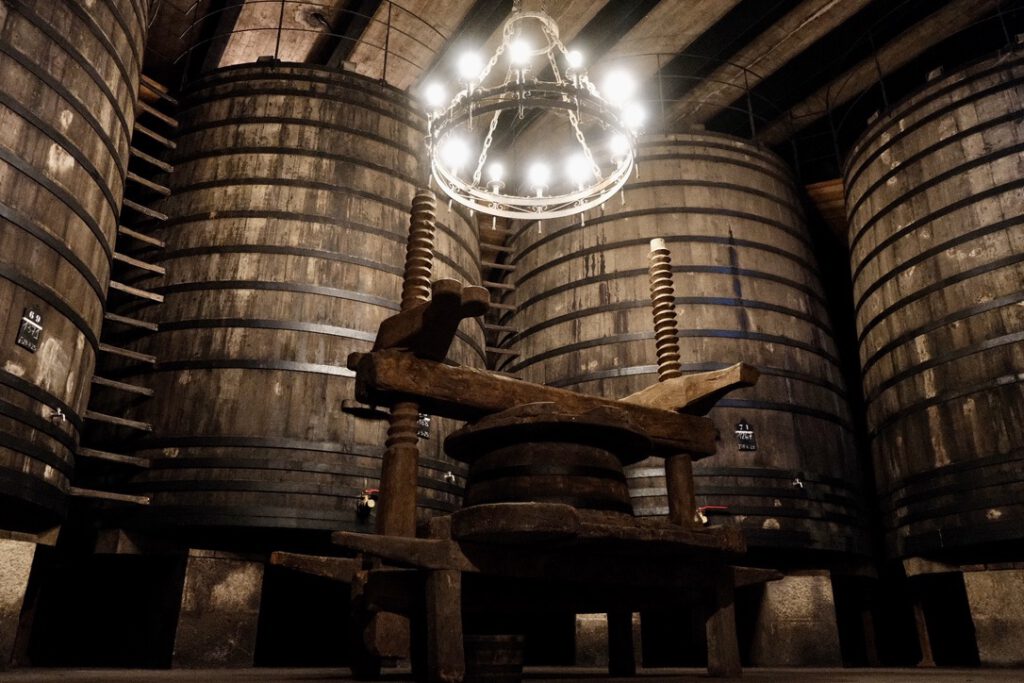
And then, of course, there’s oak. Rioja without oak is almost unthinkable. But here too, a lot has changed. American oak is increasingly giving way to French. Large casks replace small barrels. New oak is used more sparingly. The DOCa Rioja categories Crianza, Reserva, Gran Reserva still play a role, but for the most ambitious producers they matter less and less. Many of the best wines deliberately don’t carry those labels anymore. They define themselves through origin, site, and style—not minimum time in wood.
The great classics still stand for timeless elegance and huge ageing potential. At the same time, young, uncompromising producers make sure Rioja doesn’t stand still. That it gets debated. That it polarises. And that it remains relevant in the years ahead.
My impression after the visit
My takeaway after the trip: Rioja isn’t a museum. Rioja is a tension field between past and future. Between brilliance and banality. Between patina and precision. If you lean into it, you get rewarded. If you’re looking for simple answers, you’re in the wrong place.
And that’s exactly why I love this region.
Pictures: © The Art of Riesling – Maximilian Kaindl

