

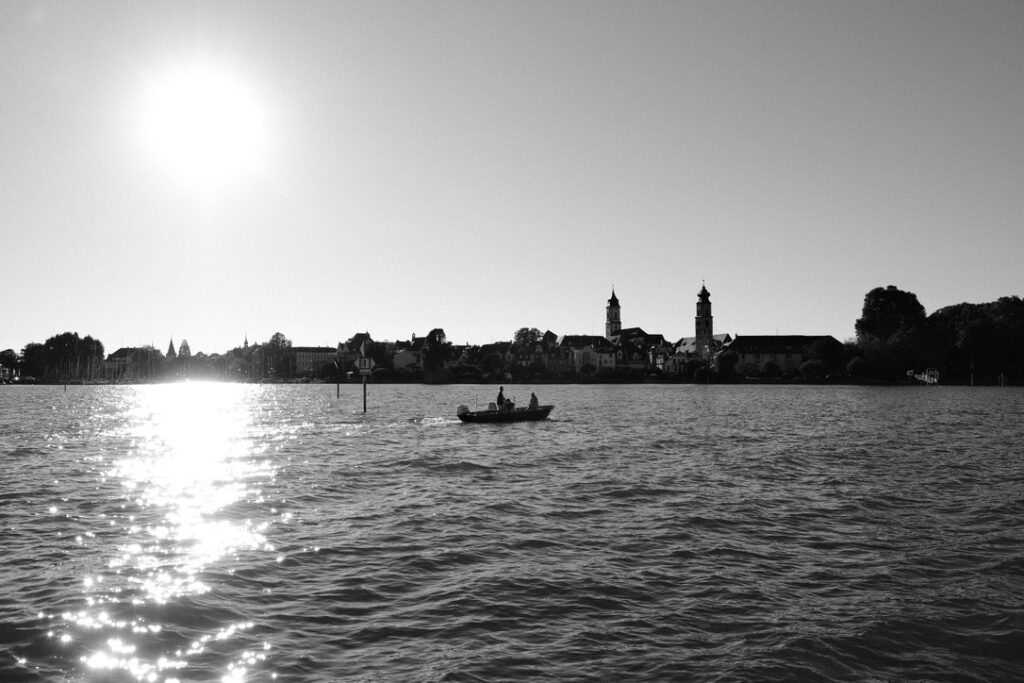
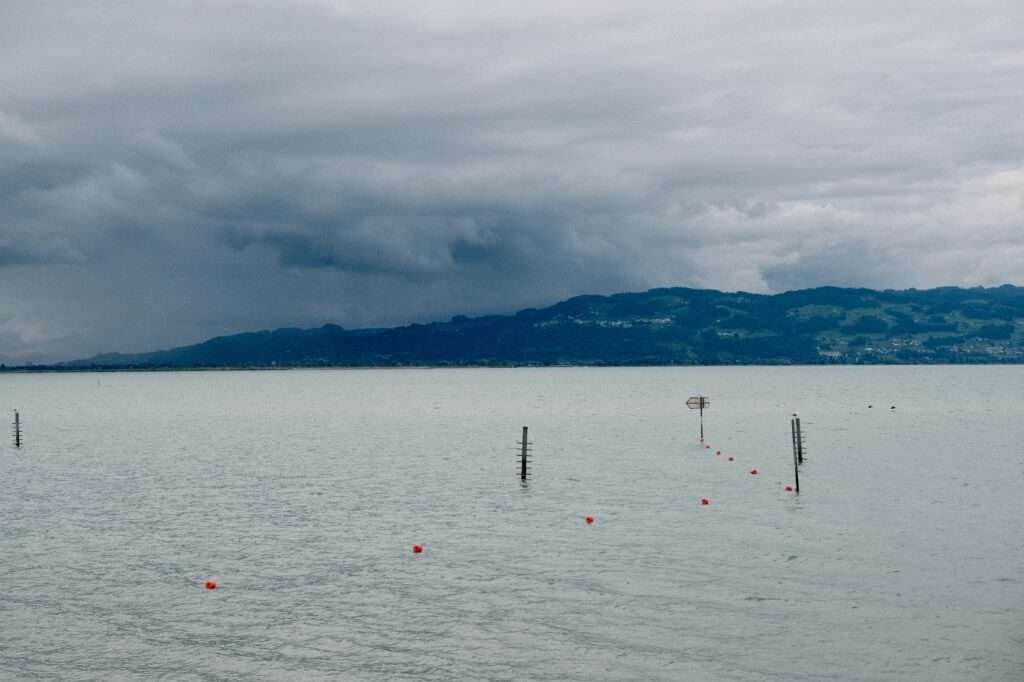
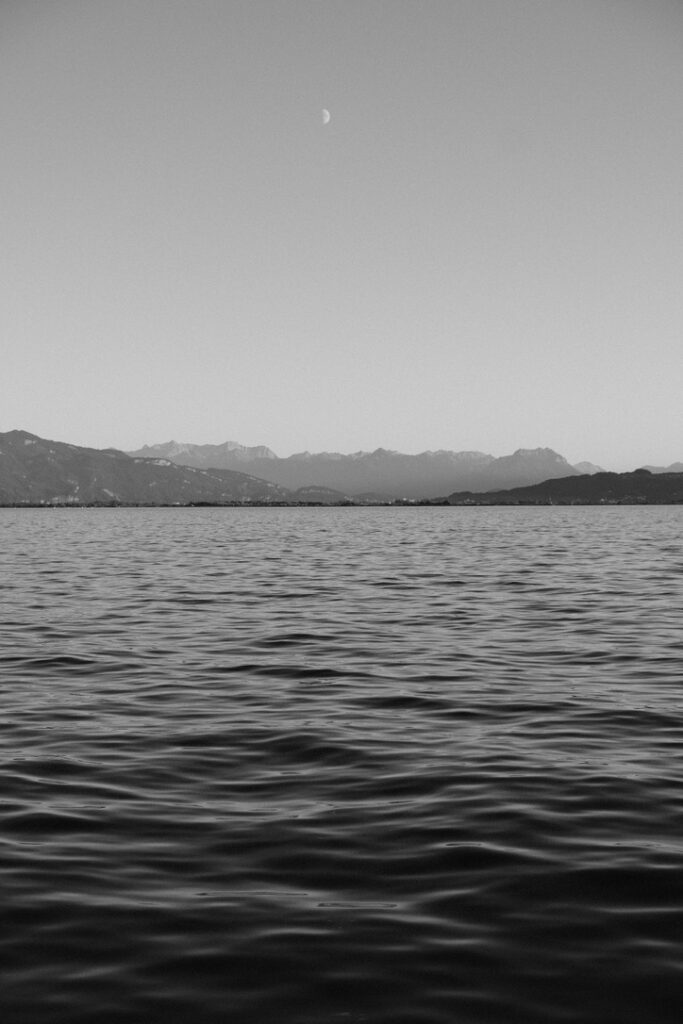
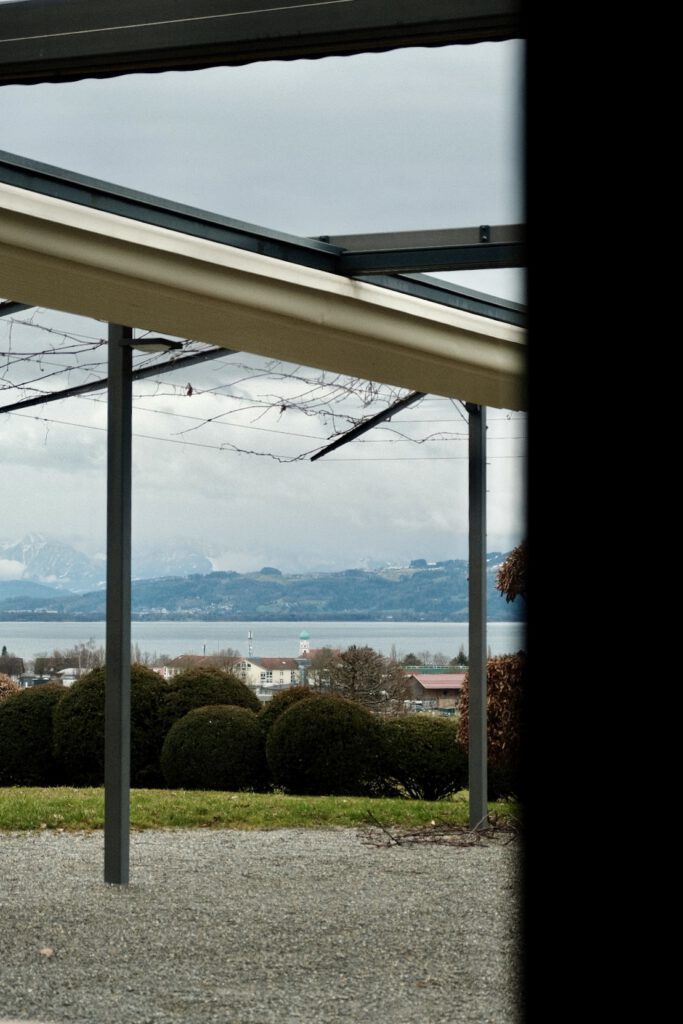
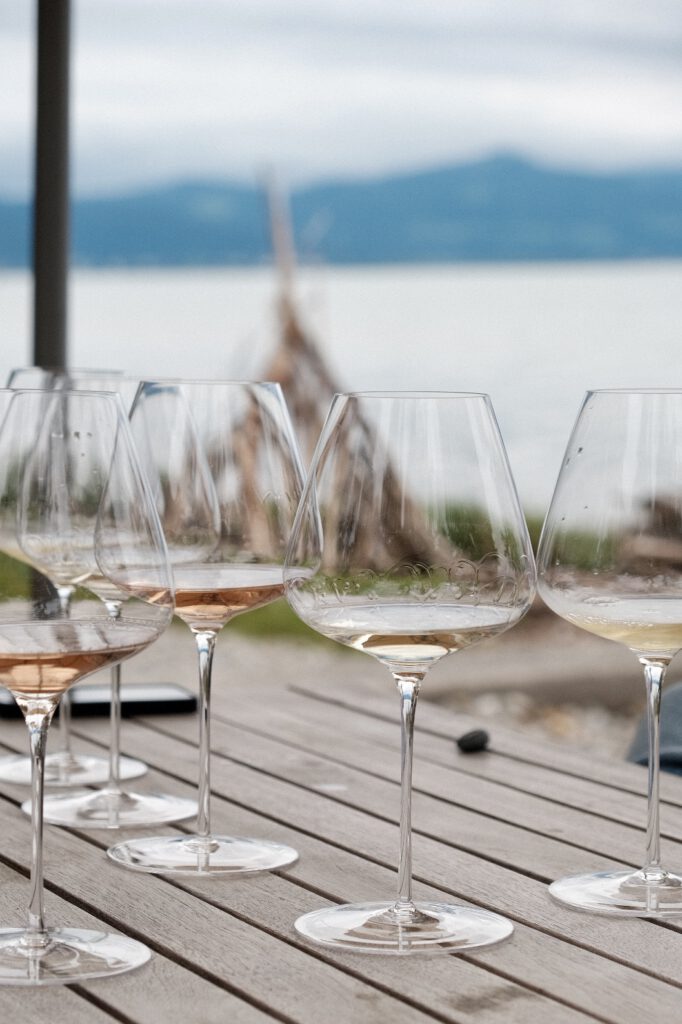
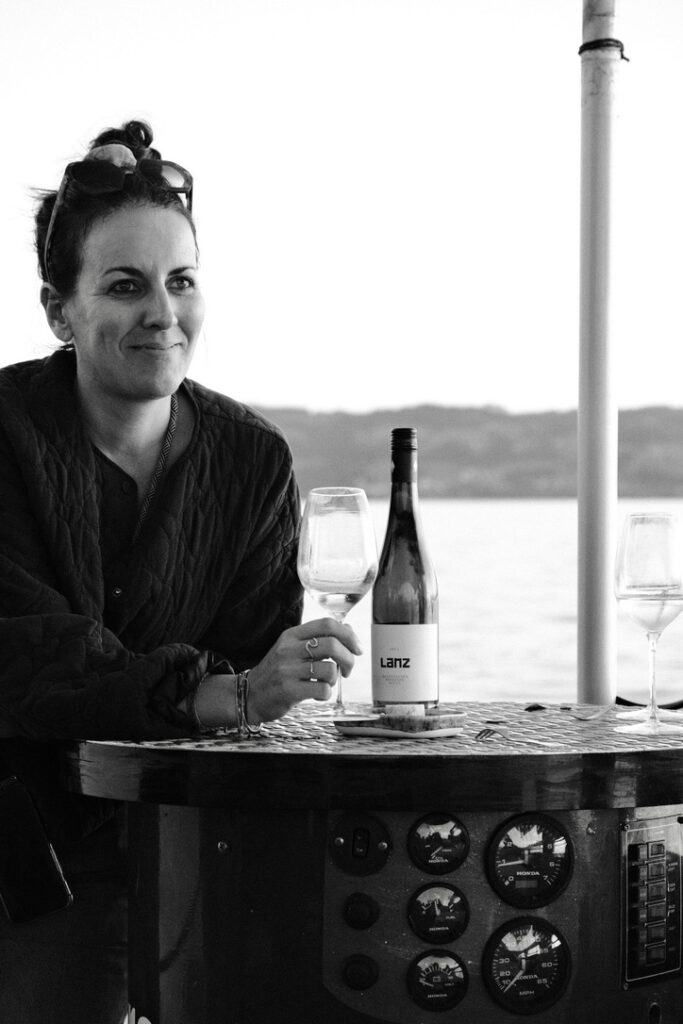
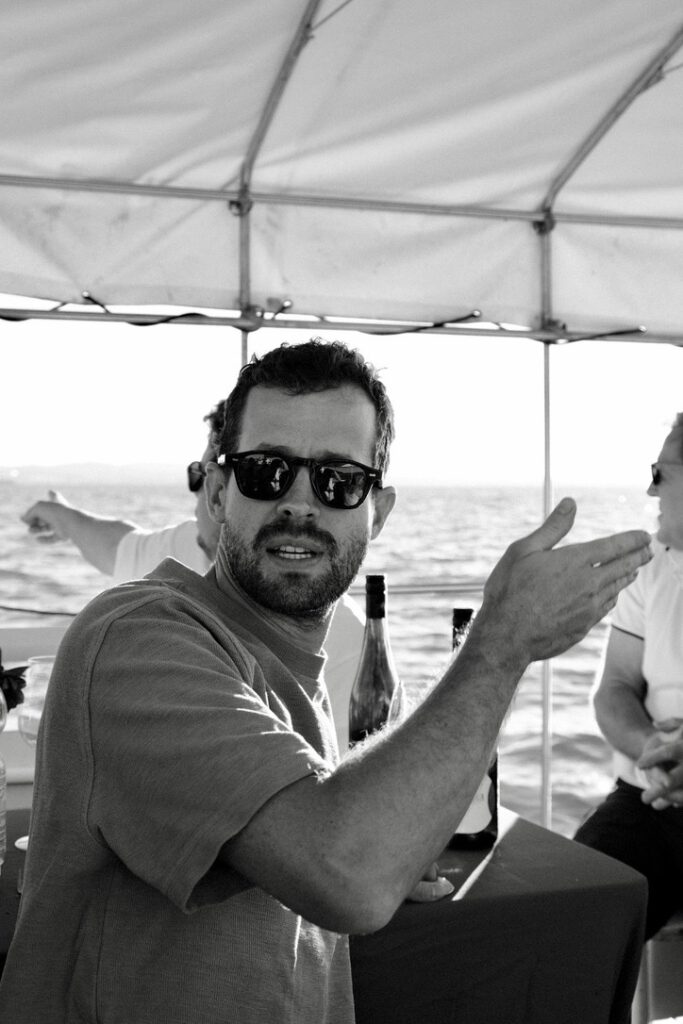
When I think of the Bavarian side of Lake Constance, I think first of a moment on a boat last September. Late evening. The Alps as a dark silhouette on the horizon. The lake calm, almost weighty. And suddenly it clicks: wine isn’t the center of gravity here. Water is. The lake is the real conductor. This is the north-eastern shore of Lake Constance, on Bavarian territory. Between Lindau and Nonnenhorn, with Wasserburg and Bodolz in between. Just 90 hectares of vineyards. A collective of 13 growers. Small, yes. But right now, it might be one of the most exciting movements in German wine.
Max Kaindl, February 22, 2026
Reading time approx. 8 minutes
Bavarian Lake Constance
–
90 hectares, 13 growers, and a sense of momentum that feels bigger than the map suggests
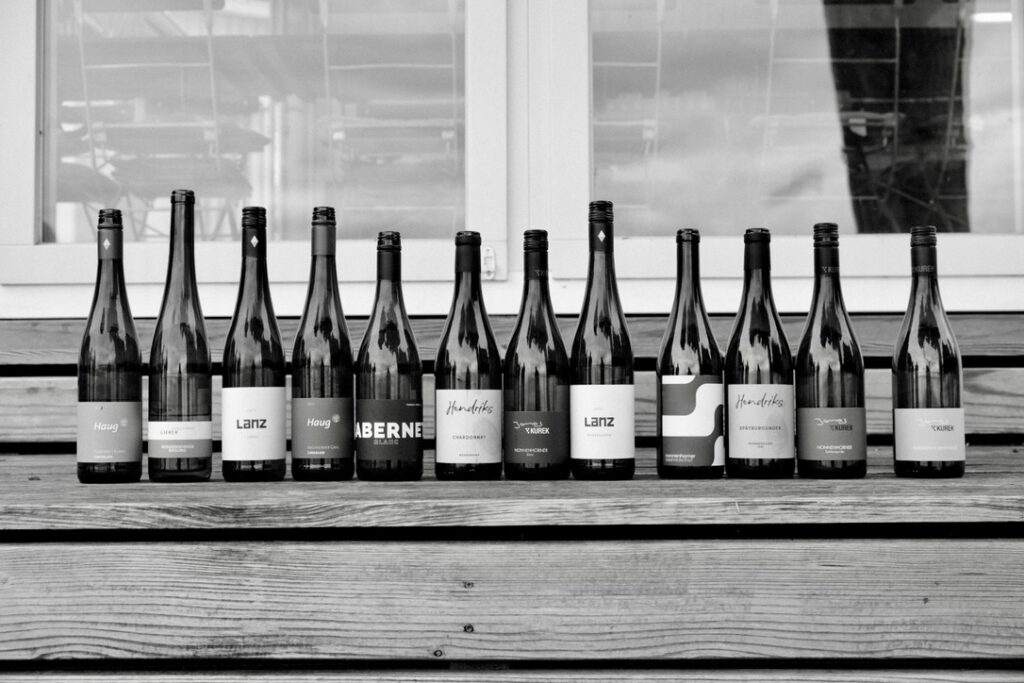
Distinct. And very consciously not Württemberg.
Administratively, the Bavarian Lake Constance area belongs to the Württemberg region. Stylistically, climatically, and geologically, it could hardly be further away.
Much of Württemberg runs warmer, shaped by Keuper and Muschelkalk, by Trollinger and Lemberger. Bavarian Lake Constance is cool-climate in its purest form. Defined by the sheer mass of the lake, by Alpine föhn winds, by glacial history. This is not about power. It’s about precision. Not opulence, but clarity.
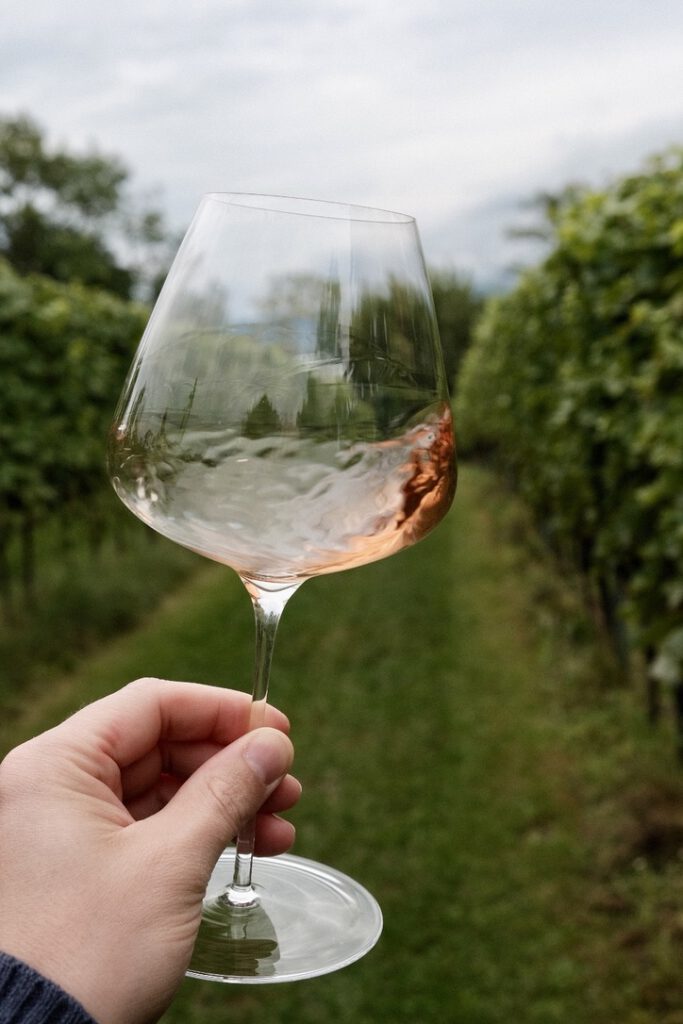
In the glass, a lot of these wines remind me more of a cold mountain stream than of what many people picture when they hear “Lake Constance wine.” Crystalline. Taut. Saline. With that almost icy freshness you only get in places where snow can already be visible come harvest.
What’s happening here right now
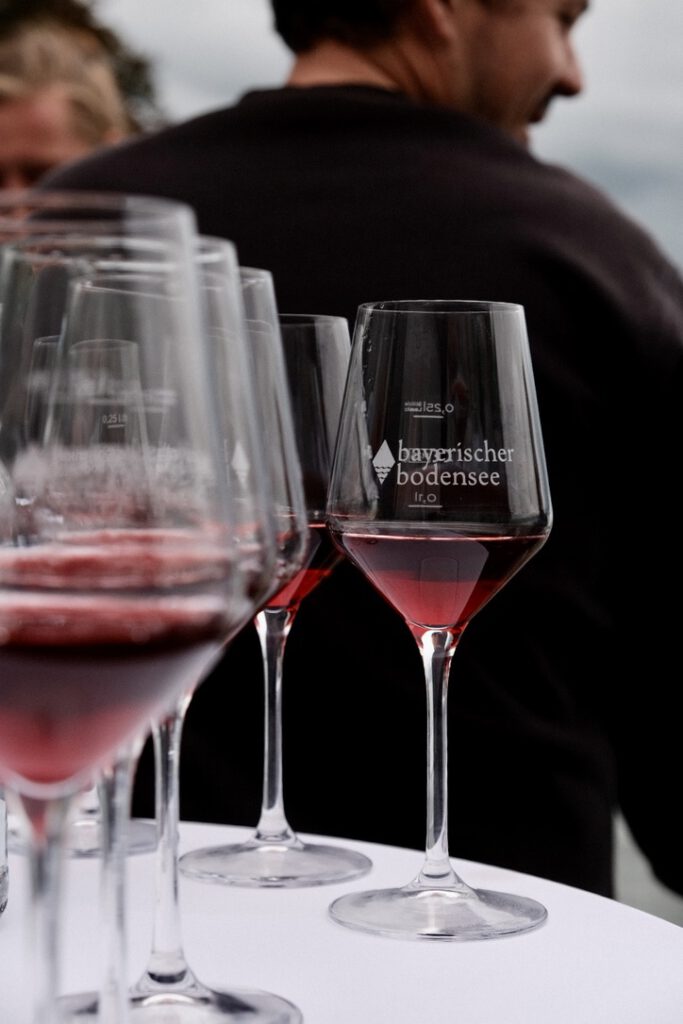
The 13 growers are working with remarkable consistency toward one shared goal: a protected designation of origin for “Bayerischer Bodensee” (a PDO). With clear rules for yields, viticulture, and élevage. This isn’t about marketing. It’s about place. Even if I’ve grown allergic to that word in certain contexts, here it actually means something, maybe more than in most regions. Why?
Because people here genuinely pull in the same direction. I can’t think of many places in Germany where every estate commits this uncompromisingly to a common profile. No ego games. No rivalry. Just a clear understanding: this region only works as a collective. At the same time, the focus is shifting more and more toward village wines, Nonnenhorn, Wasserburg, Bodolz, Lindau. Differences are being teased out on a tiny stage. Place isn’t claimed, it’s made tangible in taste. First approaches to single-site wines are already in bottle, too.
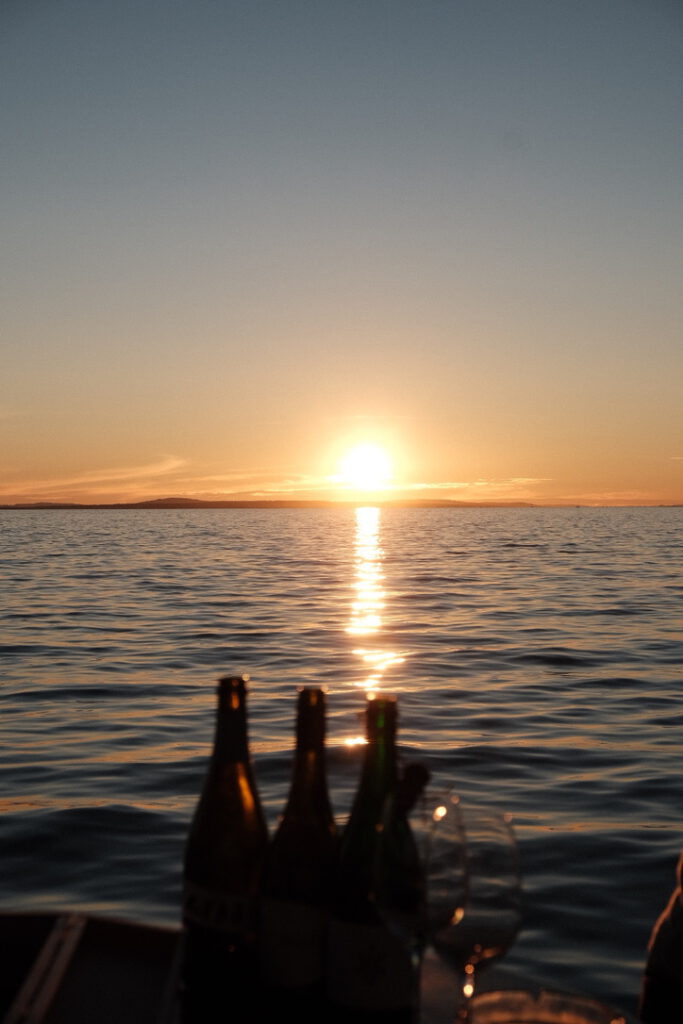
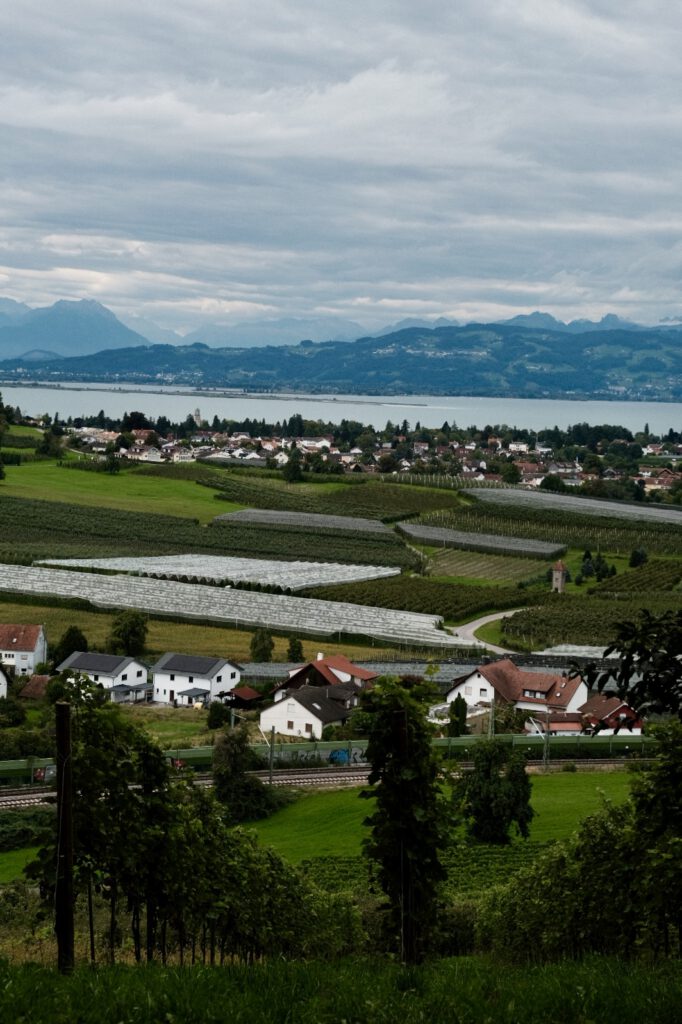
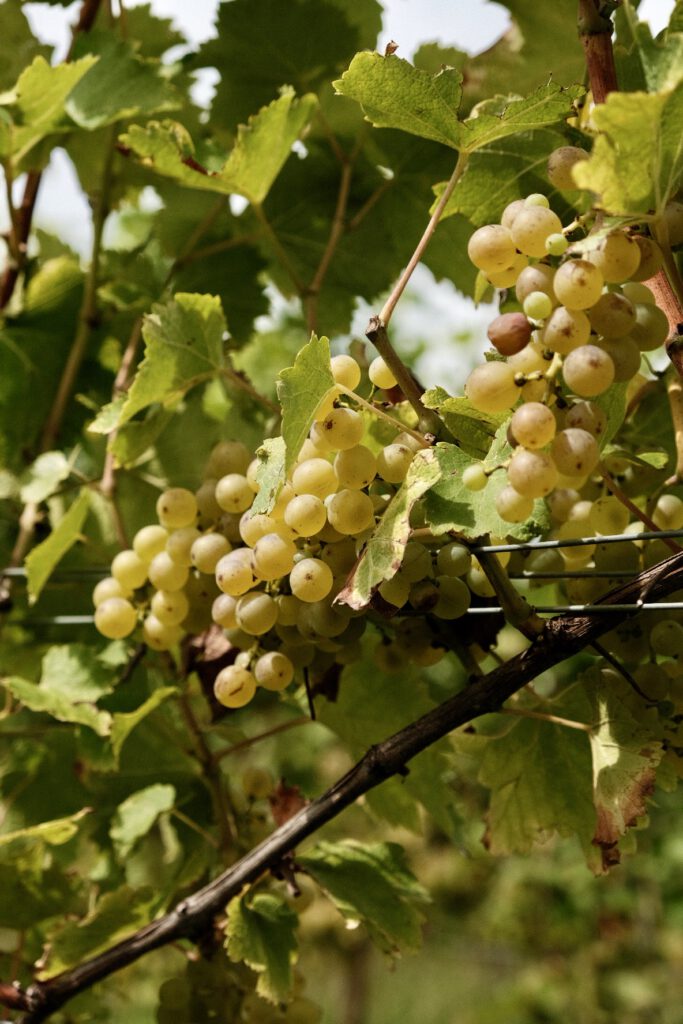
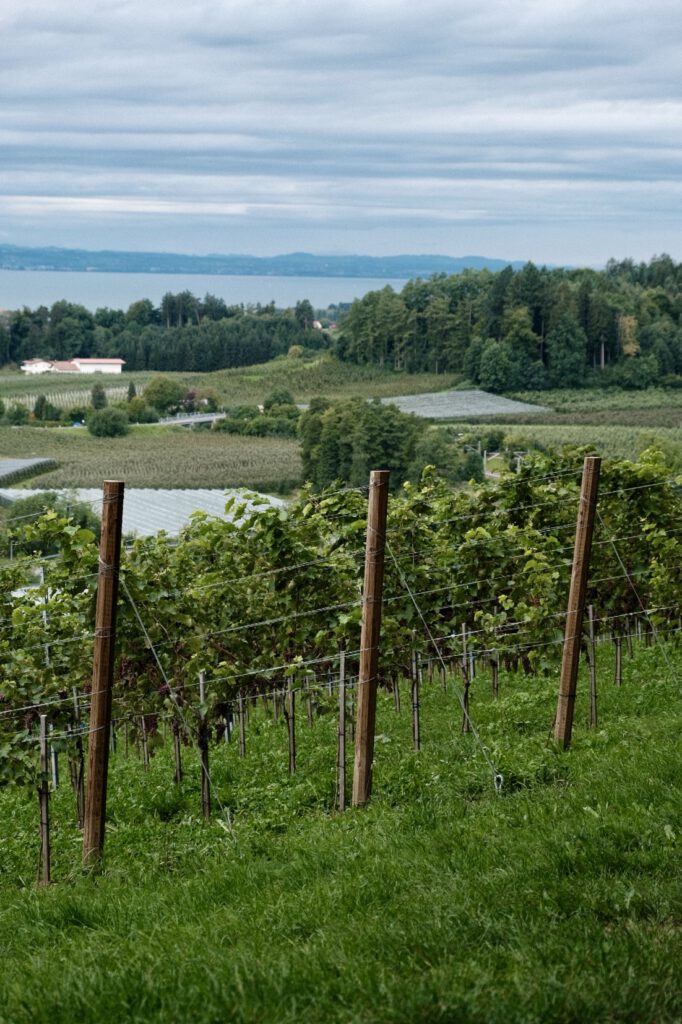
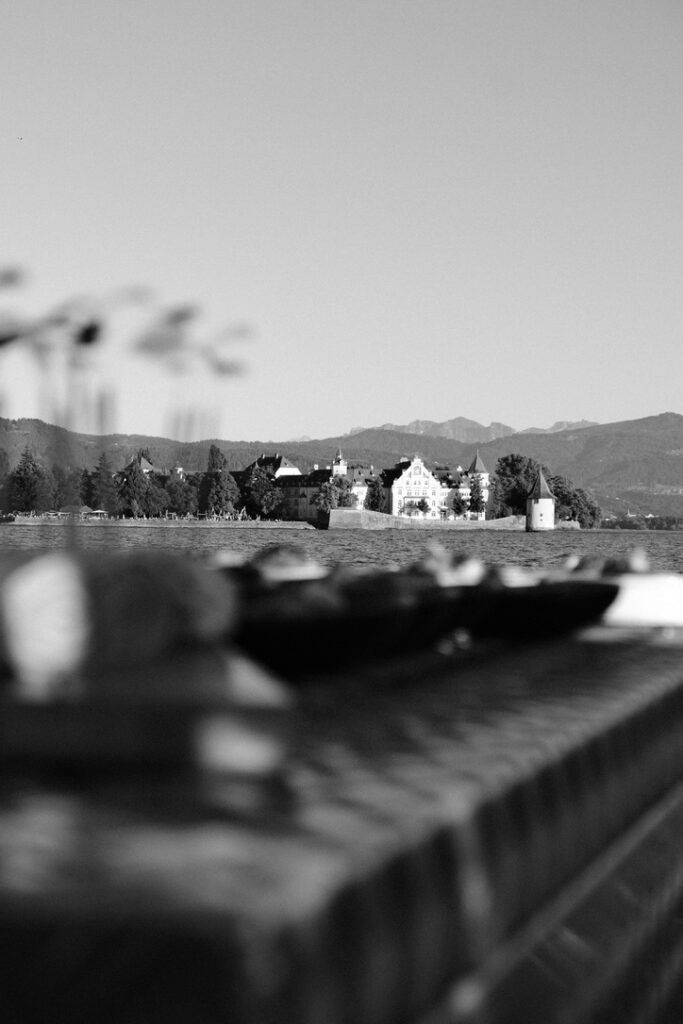
Drumlin hills and lakeside vineyards: two worlds on 90 hectares
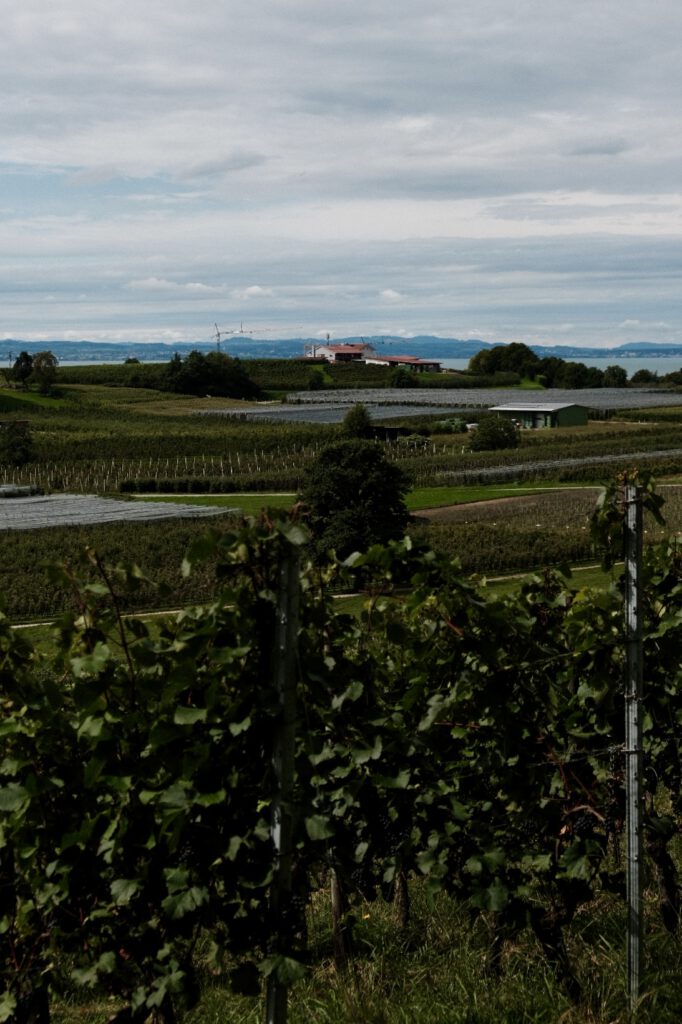
Geologically, Bavarian Lake Constance is no accident. It’s the result of ice, pressure, retreat, and time. A gift from the Ice Age. The Rhine glacier didn’t just leave a landscape behind, it left a mosaic of micro-terroirs that is astonishingly differentiated in a very small area. Broadly speaking, there are two distinct geological “origins” here: the drumlins and the lakeside vineyards.
The drumlins
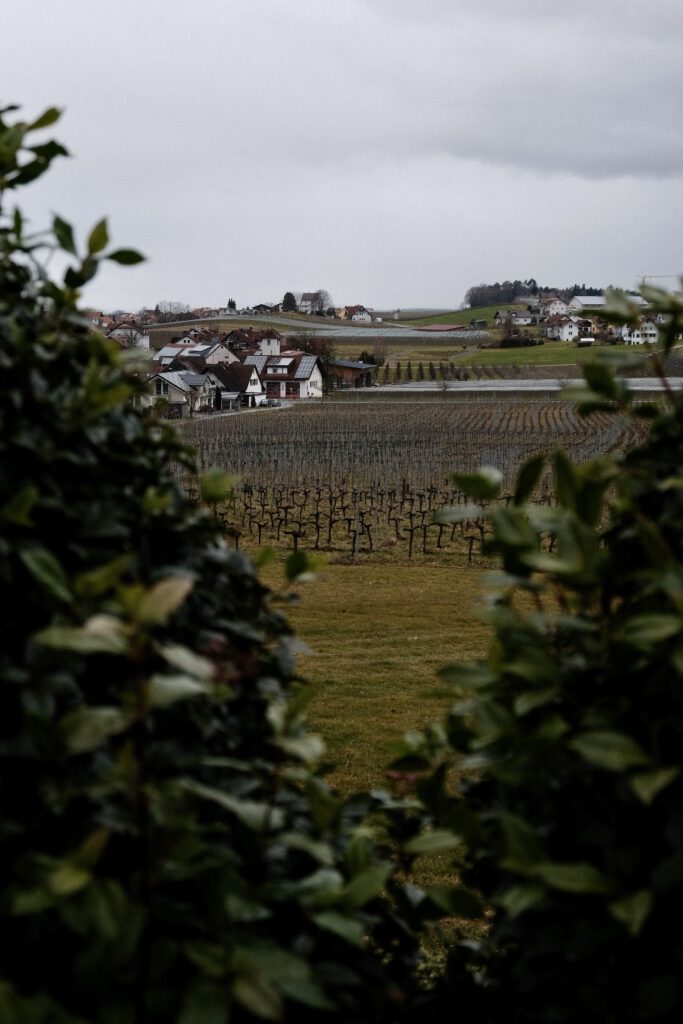
The drumlins are the most striking feature. Long, softly rolling hills that look almost understated at first glance. And yet they tell a story of huge force. The Rhine glacier pushed rubble, gravel, sand, and moraine material ahead of it, shaping these hill bodies that now sit in the landscape like green waves.
Soils on the drumlins are typically juicier, with more loam and clay and very little gravel. Water lingers a bit longer. The soils are a touch deeper. At the same time, the humus content is lower than in the lakeside parcels, which keeps vigor in check.
In the glass, drumlin wines often show a slightly rounder texture without ever turning broad. There’s a certain suppleness, a quiet saltiness, sometimes even a faintly maritime note. Acidity feels integrated, never pointy. Aromatics stay cool, but with a little more melt and ease.
The lakeside vineyards
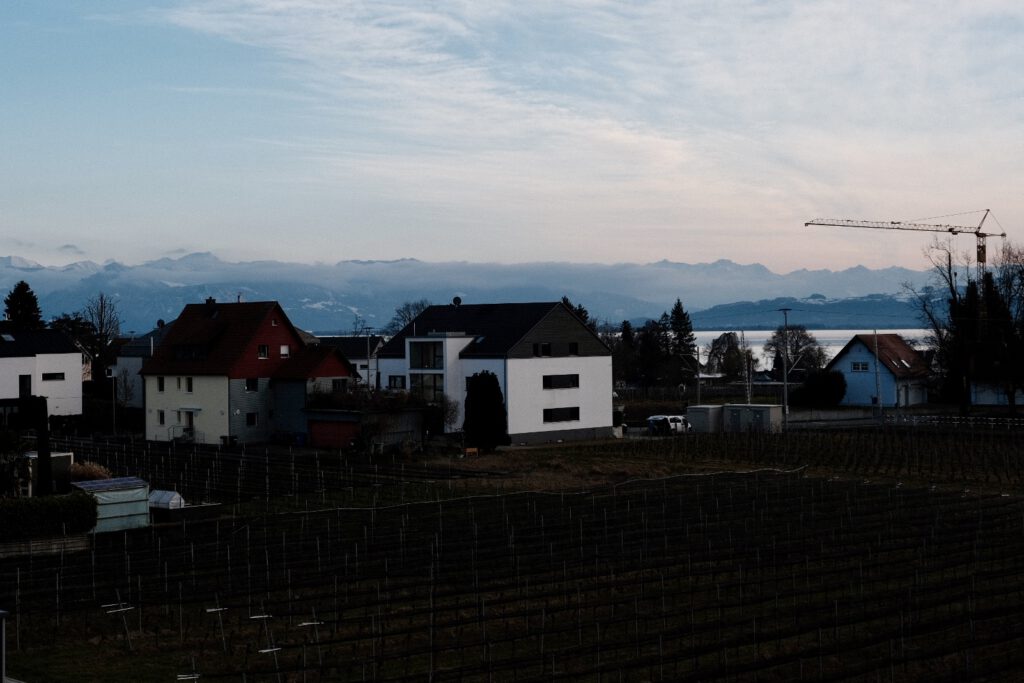
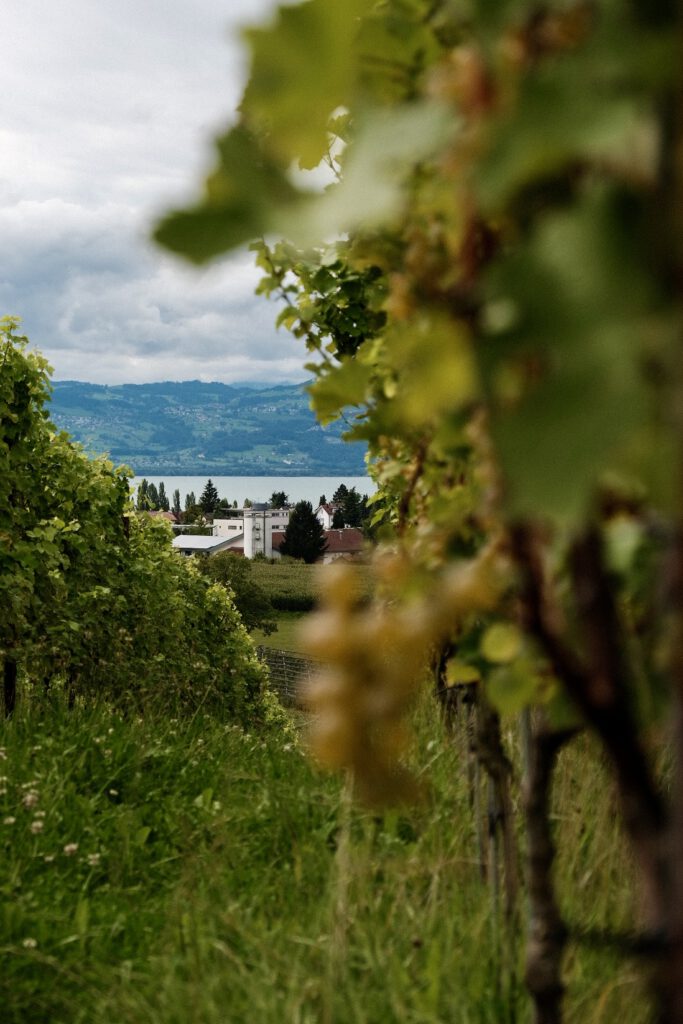
Completely different story. These vineyards close to the shore are former lake terraces of an ancient Lake Constance. When the glacier melted, the water level sat significantly higher at times. As it receded, it left behind layers of gravel and shingle, sometimes shot through with fossil shells. You walk through history here and feel it underfoot. There’s barely any topsoil, often close to pure gravel and stones. The humus content, however, is relatively high. That combination tends to mean smaller berries, excellent drainage, and often thicker skins. The vines have to work. You taste that.
Here, the lake’s influence is immediate. It stores heat during the day and releases it at night. It cushions frost, extends the growing season, and creates a slightly more humid microclimate. Budbreak is often later, ripening more even. Extremes get softened.
Wines from these lakeside sites feel, to me, tighter, more linear, more crystalline, almost sinewy. More drive, more vertical tension. Acidity stands clearer, the outline is drawn more sharply. A cool, wiry style, like a fine steel cable pulled taut. No breadth, no fat, just pure vertical focus.
What impressed me most is that these differences aren’t loud. There’s no theatrical contrast. They’re nuances. But nuances are exactly what define place.
- Drumlins stand for balance and a finely tuned sense of climate.
- Lakeside sites stand for tension and structure.
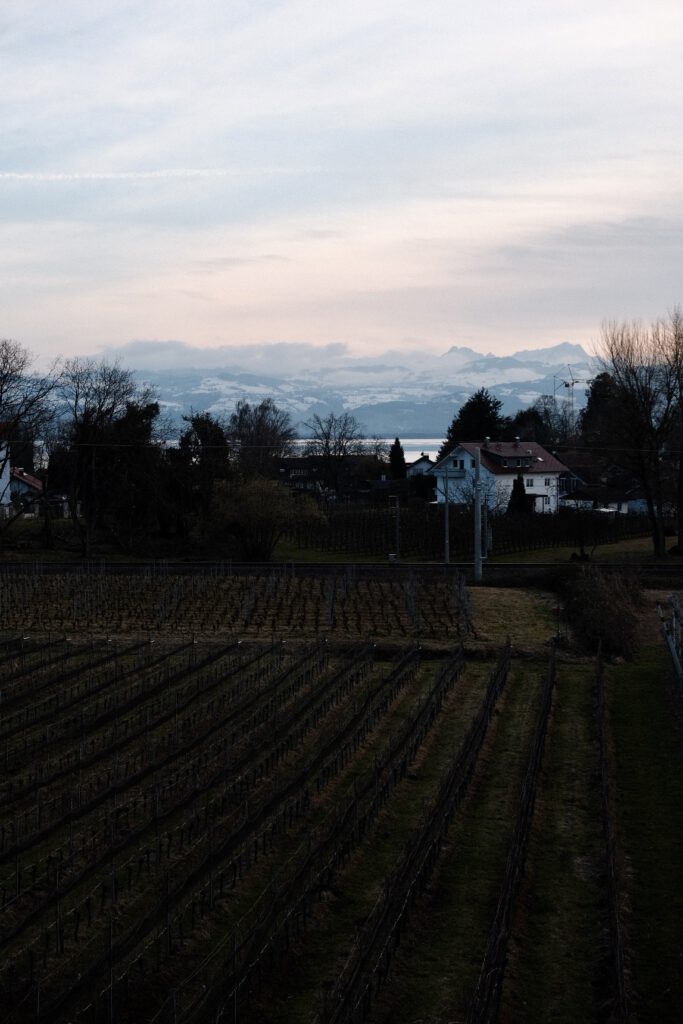
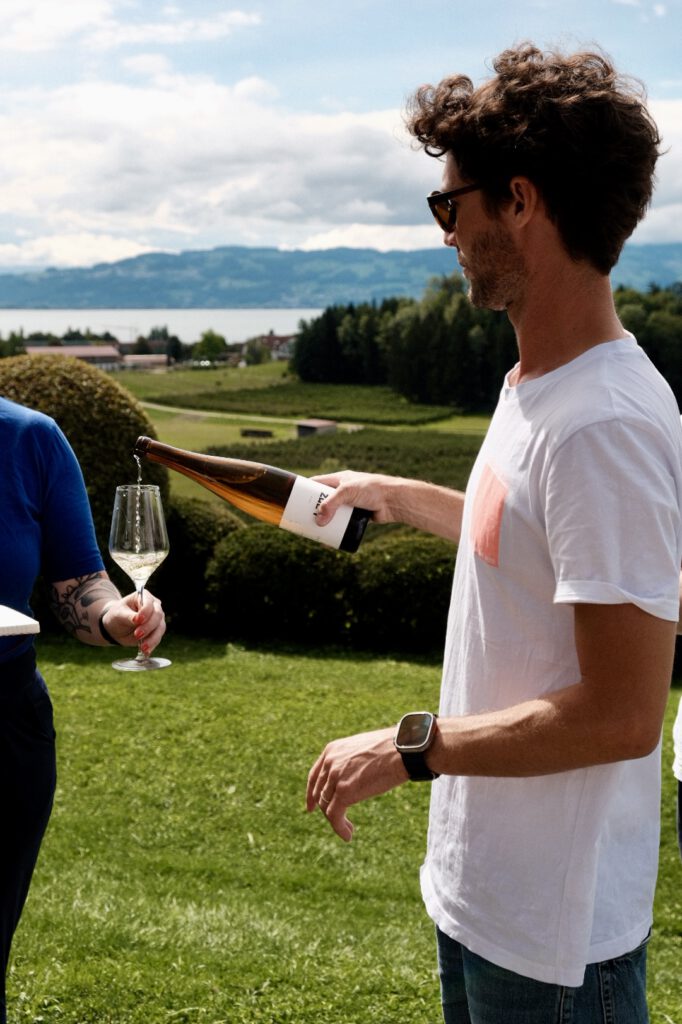
And both exist here within sight of each other on just 90 hectares. When you head out on the boat and look back toward the shore, you don’t see dramatic slopes or monumental terraces. You see gentle lines. And yet beneath those lines sits a geological depth that shows up in the glass.
For me, that’s the essence of Bavarian Lake Constance: not terroir shouting, but terroir speaking precisely.
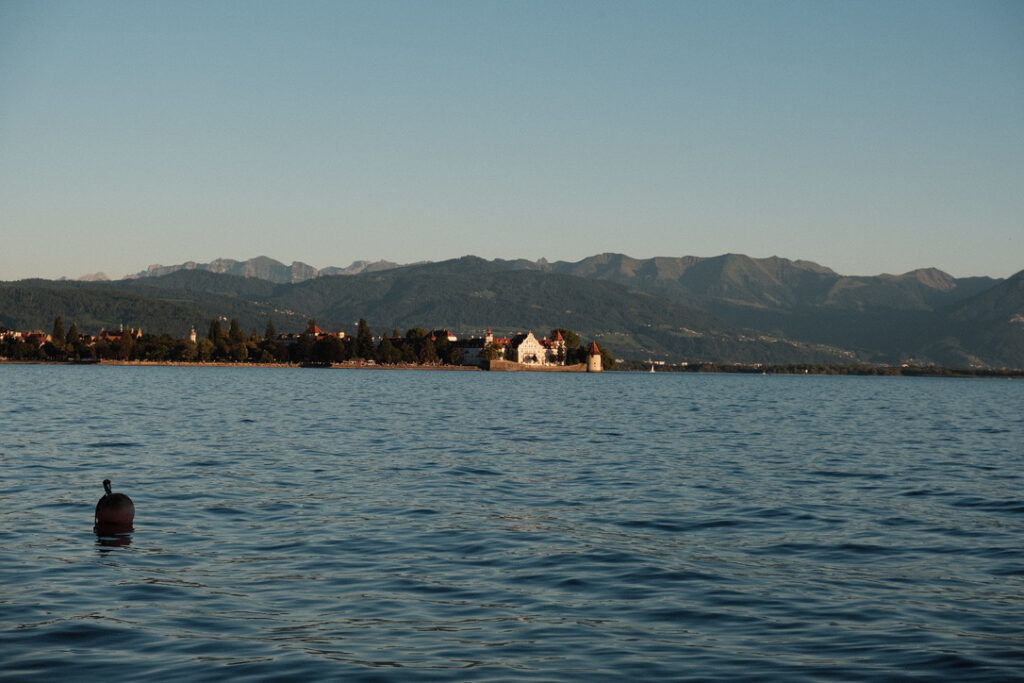
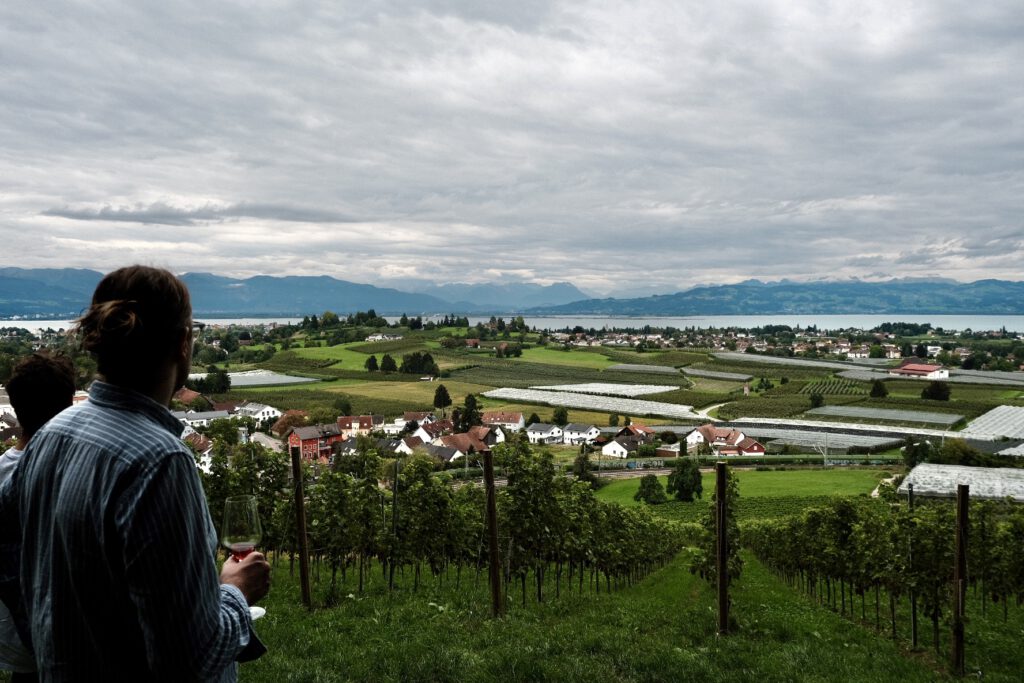
What makes Bavarian Lake Constance unique
Germany has plenty of cool-climate regions. None, though, with this exact combination:
- immediate proximity to the Alps
- a massive body of water as a climate regulator
- glacial soils of gravel, sand, and moraine material
- a collective mindset: 13 estates, one tightly defined goal
Add to that an openness to new grape varieties. PIWIs such as Solaris or Johanniter aren’t treated as a compromise here, but planted deliberately in top parcels. Not ideological, just pragmatic. This isn’t breaking with tradition. It’s thinking sustainability through, properly.
What fascinates me most is that this region doesn’t define itself through individual stars or iconic sites. It defines itself through the bigger picture: climate, water, geology.
Where I see the long-term potential
The more often I’m at Bavarian Lake Constance, the clearer it gets: this region doesn’t aim to be loud. It has the potential to become razor-precise. And in the long run, precision always wins.
The biggest asset here is not a single grape variety. Not one iconic vineyard. It’s the interplay of lake, Ice Age soils, Alpine influence, and, crucially, real collaboration among the 13 growers. That level of cohesion is rare in Germany. And it will decide the future.
Long-term, I see three major fields of potential:
Top-level cool-climate expertise
While many German regions are increasingly battling heat and drought stress, Lake Constance acts like a natural climate buffer. The lake stores warmth, but it doesn’t overheat. The growing season is long, ripening is slow. In the context of climate change, that’s not a romantic detail, it’s a structural advantage. If the region continues to develop this cool, crystalline style with consistency, Bavarian Lake Constance could become a kind of German reference point for Alpine cool climate.
Defining place through village profiles
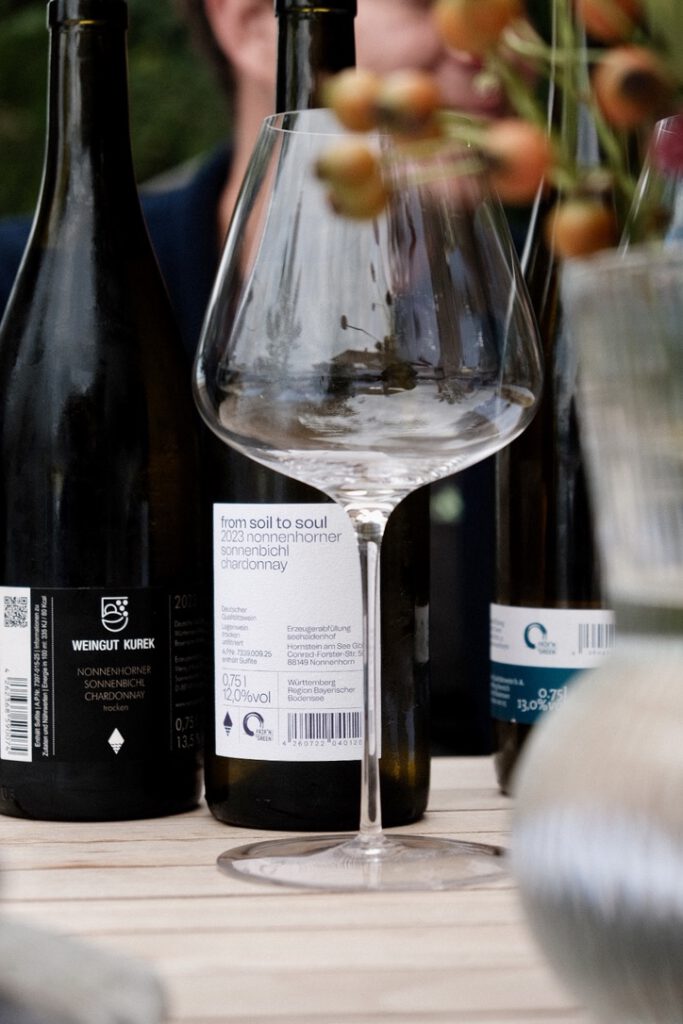
The strongest development, to my mind, lies in sharpening the village wines. Nonnenhorn, often slimmer and cooler in its signature. Wasserburg, a bit juicier, more structured. Lindau, with its mix of lakeside and drumlin parcels. If these differences are teased out even more clearly, something emerges that Germany often lacks: a precise, small-scale narrative of place in a tiny area, where individual winemaker style steps back.
Mut zur Eigenständigkeit
Bavarian Lake Constance will never be the Mosel. Never Rheinhessen. Never Burgundy. And that’s exactly its chance. This region doesn’t need to imitate. It gets to define. If it keeps the courage not to dilute its style, cool, fine-boned, straight, saline, it can develop a signature that makes sense internationally. Clarity is a universal language.
What convinces me most is the mindset. People here aren’t thinking short-term. Conversations don’t revolve around ratings or quick effects, but around soils, ripening curves, picking decisions, yield reductions, PDO regulations. Not glamorous topics. But the right ones.
I believe in it. In ten or fifteen years, Bavarian Lake Constance could be one of the most exciting German wine regions. Not because of size, but because of profile. A region that proves cool climate in Germany doesn’t only mean the Mosel. It can also mean the Alpine edge.
And maybe that’s the real strength: identity isn’t being constructed in hindsight here. It’s being created live.
Pictures: © The Art of Riesling – Maximilian Kaindl

