
Five years. That sounds like an anniversary. Confetti, that classic “wow, where did the time go?” And yes: time really did fly. But honestly, it feels less like a celebration to me and more like a quiet moment. One where I realize just how much The Art of Riesling, and all the countless stories and moments I’ve lived through along the way, have come to mean to me.
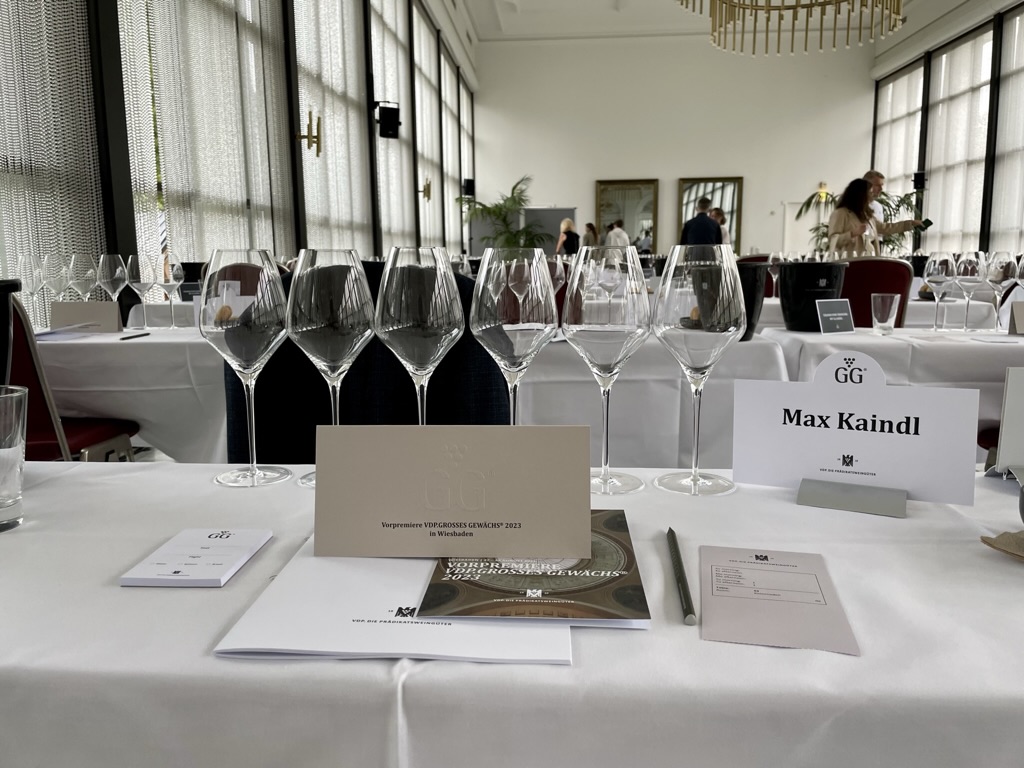
Max Kaindl, December 23, 2025
Reading time about 7 minutes
RECAP – 5 Years of The Art of Riesling
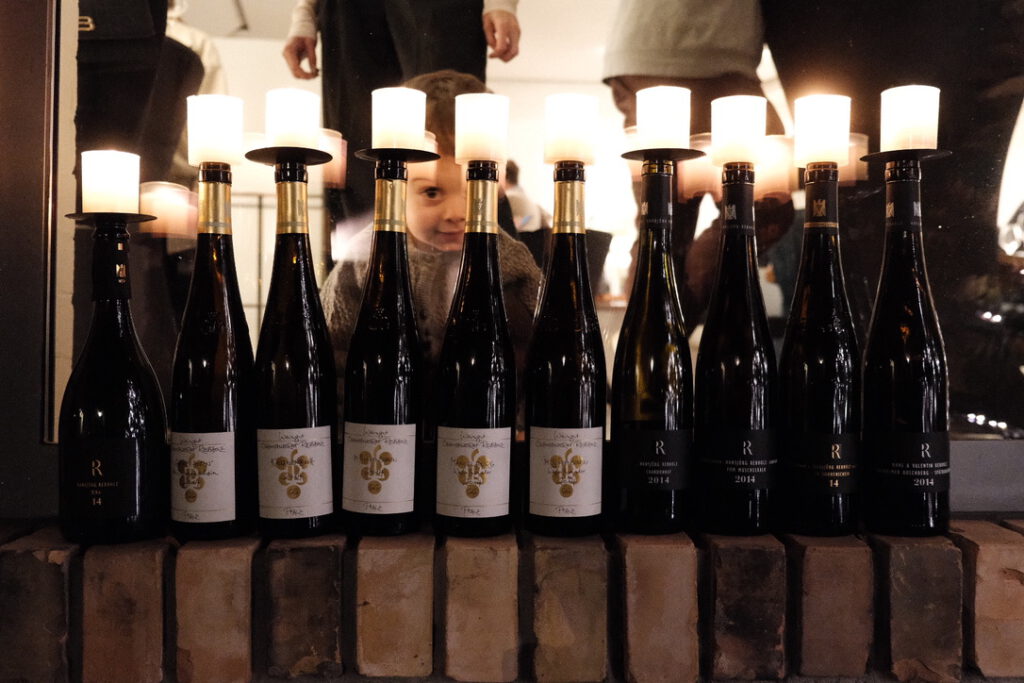
The beginning: 2020, crisis, Covid
When I started The Art of Riesling on Instagram in the summer of 2020, it wasn’t the launch of a “project.” I just wanted a place to capture and share my thoughts on the wines I was tasting. No ambition, no plan, simply a need to put what I experienced into words.
Covid had flipped my life upside down shortly before, like it did for so many. And I was going through a personal, mental crisis. Lots of time, very little direction. And then there was this one constant that somehow always worked: a great glass of wine. Not as an escape, but as focus. Something that forced me to taste towards something instead of drifting away from everything.
No show, no “influencer” vibe
For a long time, I resisted sharing my thoughts publicly. I had (and still have) a clear aversion to that kind of self-promotion where life happens more online than offline. “Influencer” was the last thing I ever wanted to be associated with. And that’s exactly why my plan was so simple: no show. No “look at me.” Just words about what happens in the glass and what it triggers in me.
Until then, only my closest friends knew any of this. They had the “pleasure” of enduring my occasionally excessive monologues about Riesling, acid arcs, maturity, origin, and the magic of a great vintage during cooking nights or game nights. Instagram suddenly became a release valve: a place where I could channel that urge to share. A proper blog felt too much work back then. So: phone out, text in, done. Kick-off in August 2020—with a post about the Mosel.
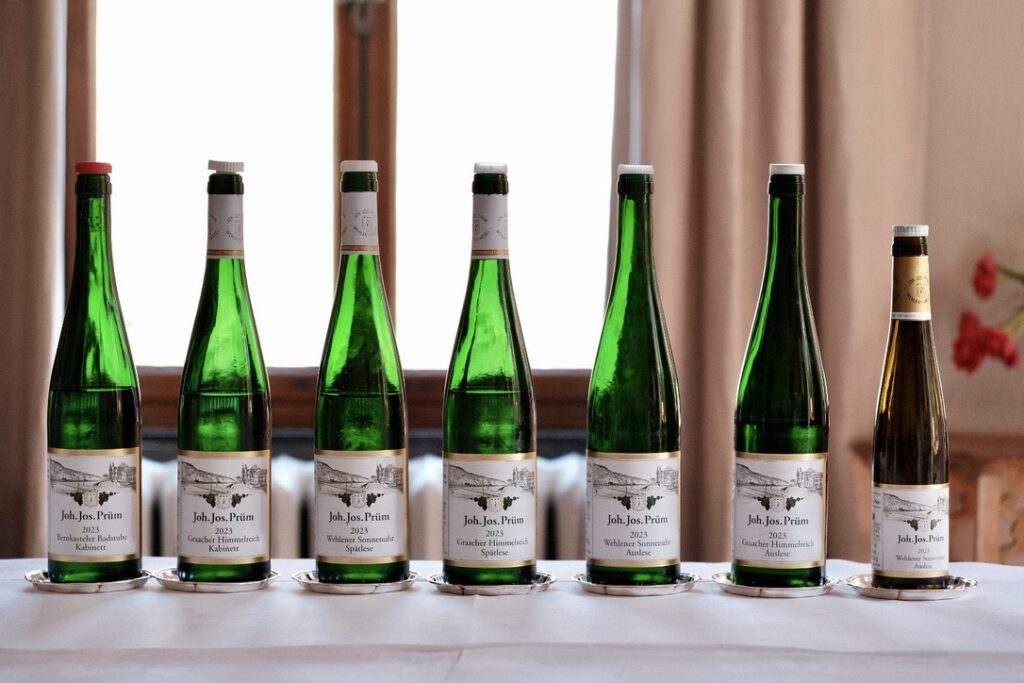
It started, ike so many things, on the Mosel. Even then, that region had me in a grip. And to this day, it hasn’t let go.
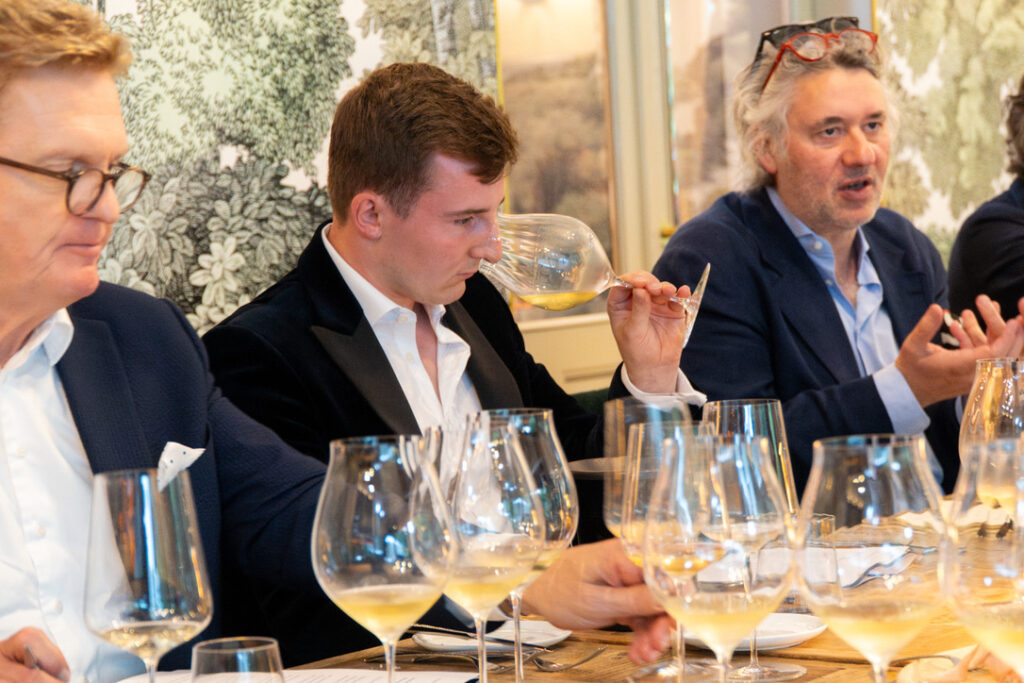
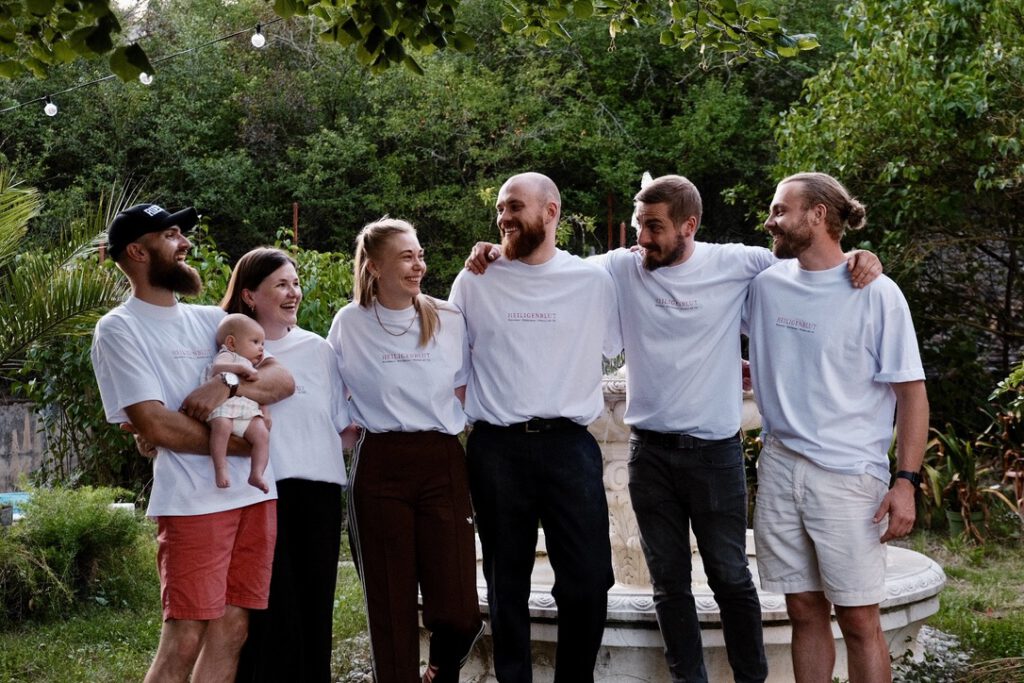
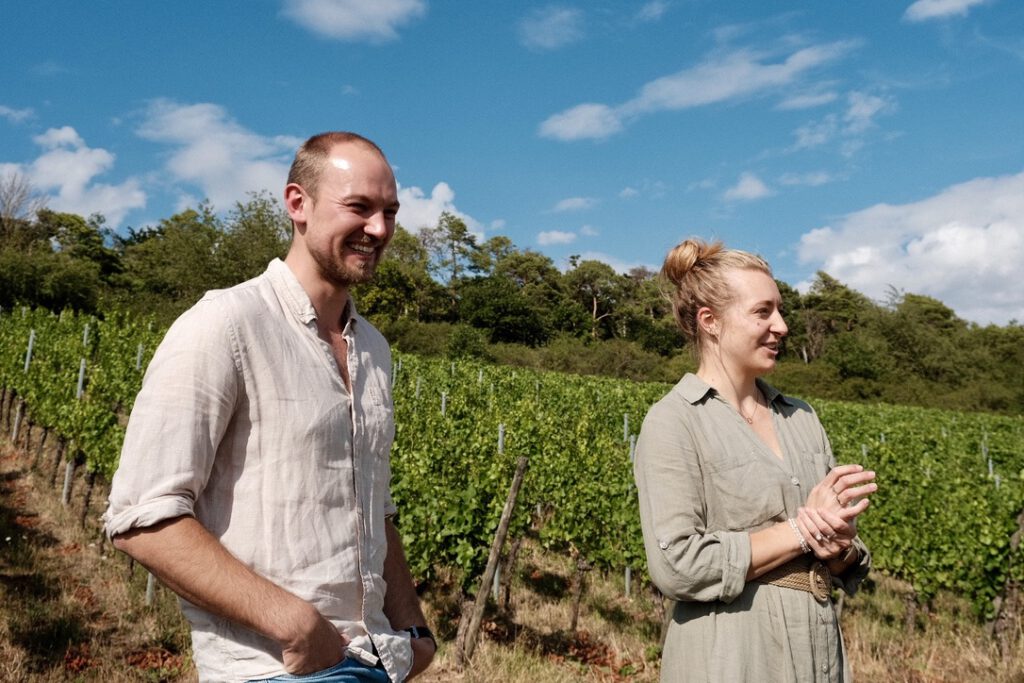
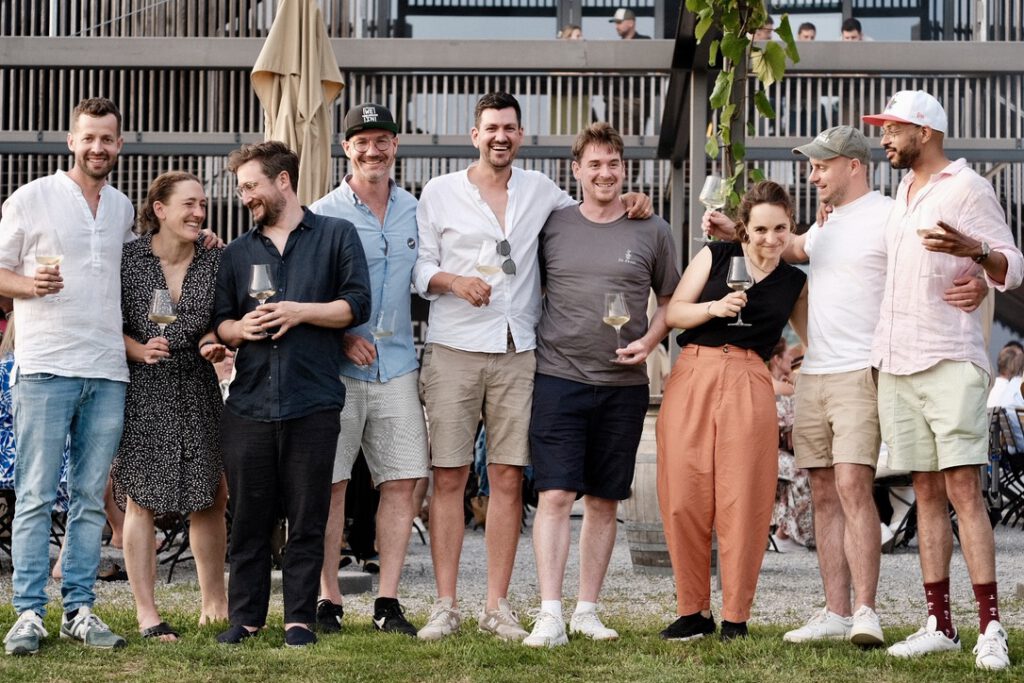
The core idea: diary over algorithm
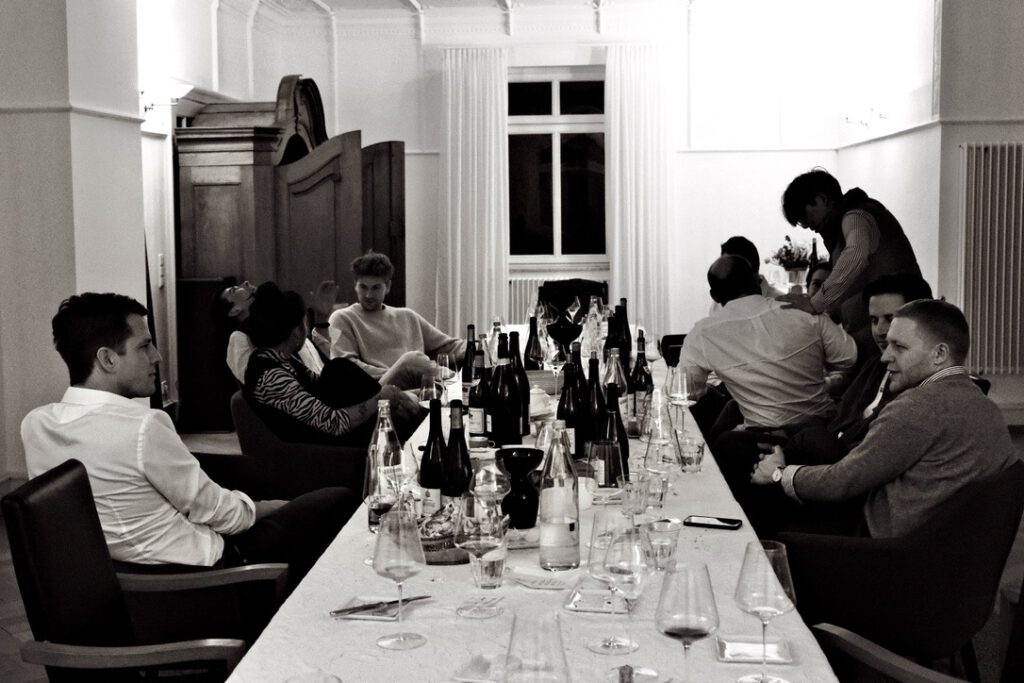
From day one, the idea behind The Art of Riesling was the same: a personal diary. Notes on wines that move me. Stories from trips. Encounters with people who turn grapes into something that’s greater than the sum of its parts. I was never trying to please as many people as possible. I never tailored my texts to likes, never to maximum shareability, never to “algorithm logic.” Honestly: I still don’t care much about that. I knowingly left faster growth on the table. On purpose. Because I want to preserve that one feeling: that this is real. That I’m not writing things just because they “work,” but because they feel right.
And then something happened that I hadn’t planned for: approval. A lot of it. And not just from friends. Also from people who work professionally in the wine world. That response touched me deeply. It’s a strange, almost humbling feeling when professionals who’ve devoted their lives to wine find themselves in your words, even though I still see myself more as a curious hobby drinker than anything else.
The people behind the bottles
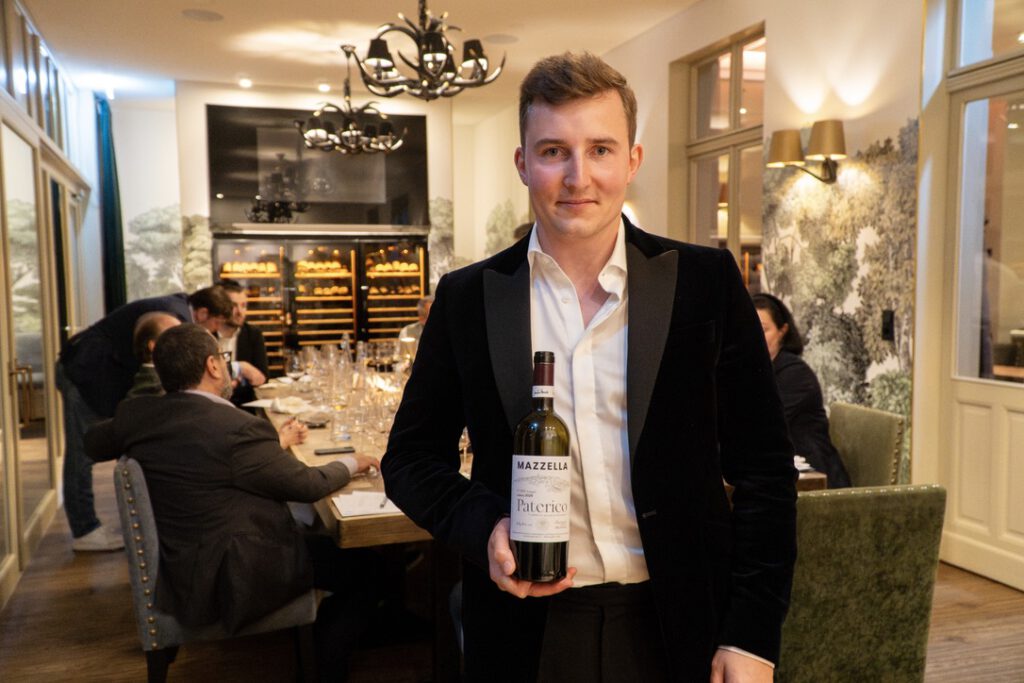
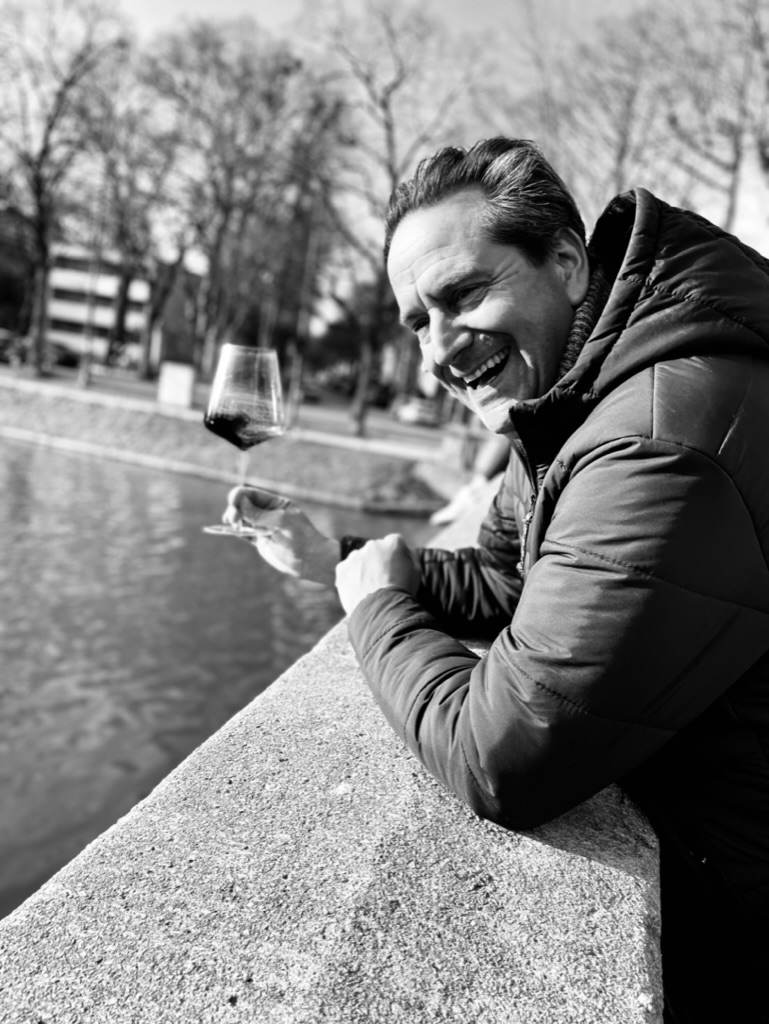
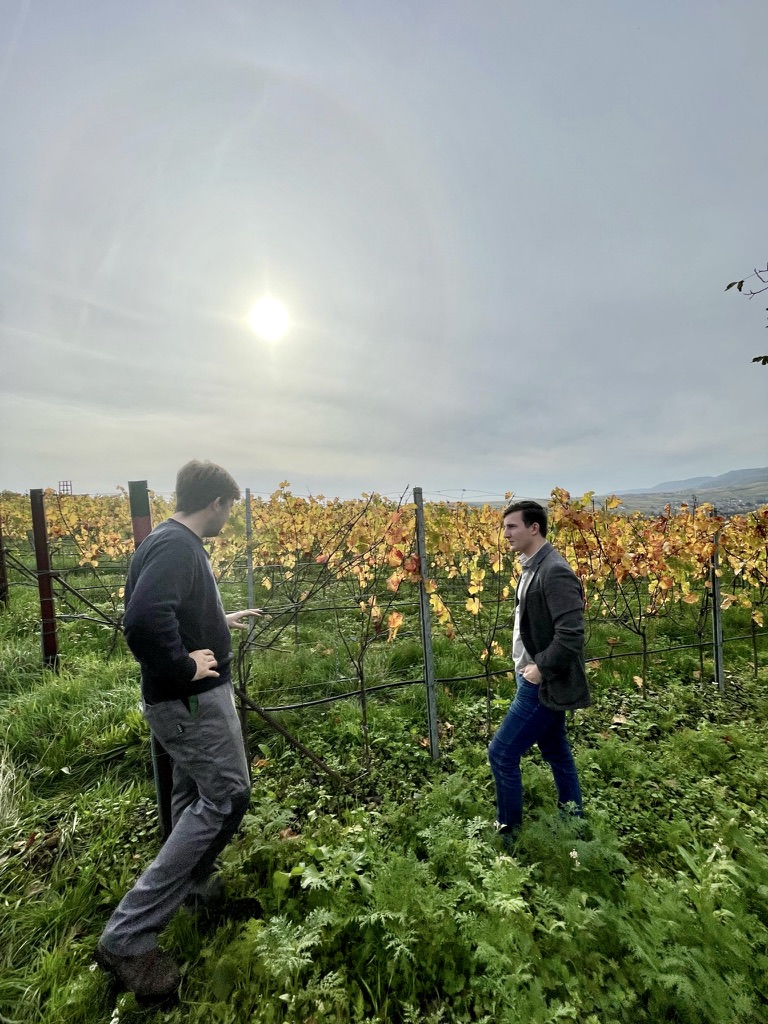
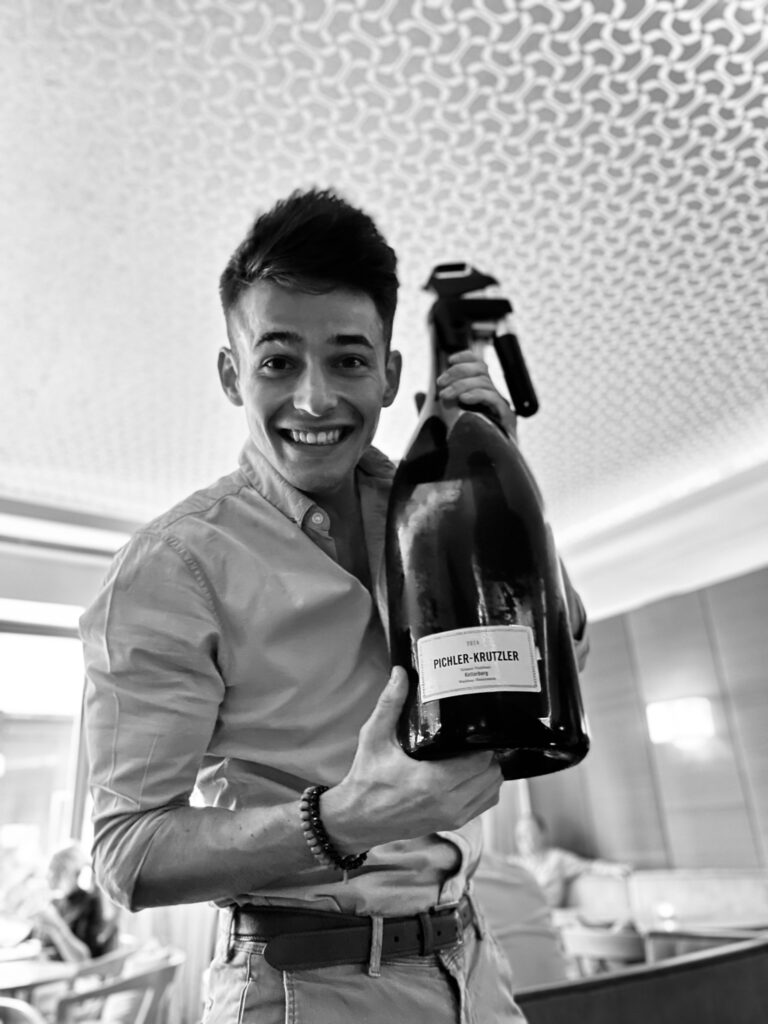
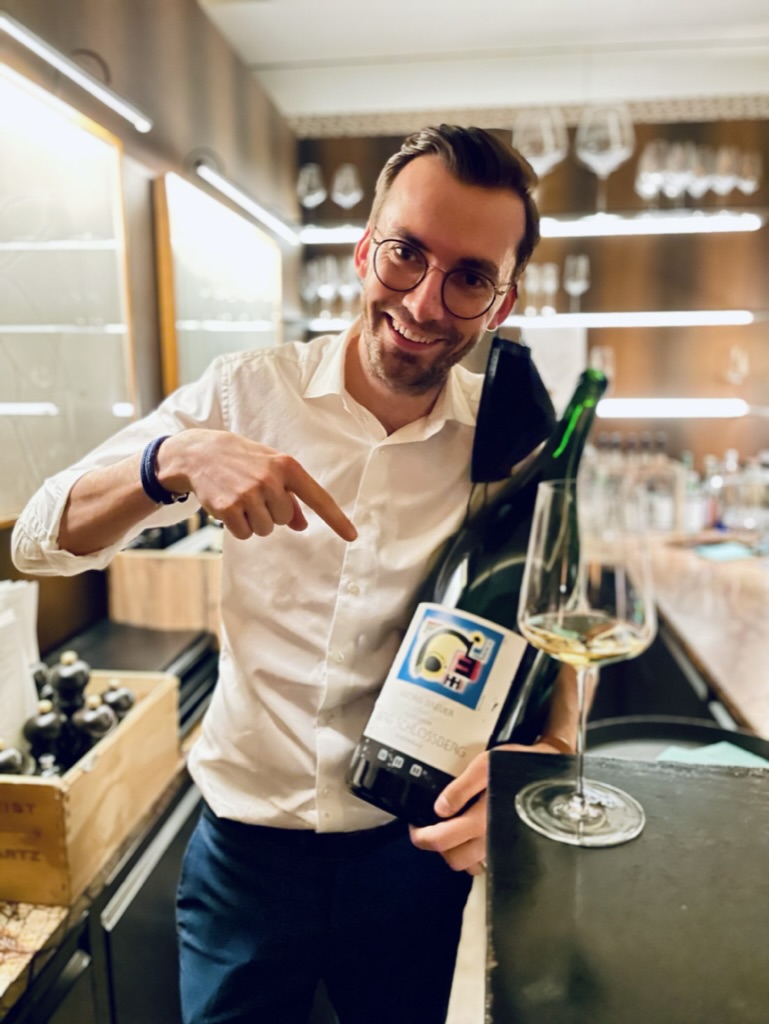
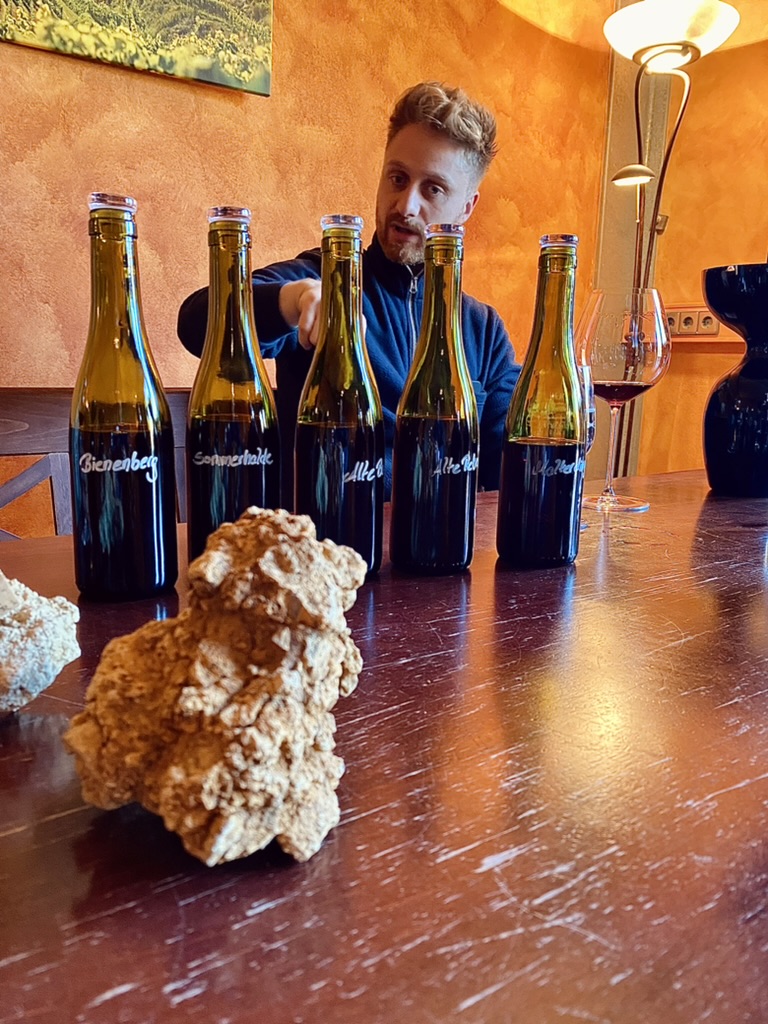
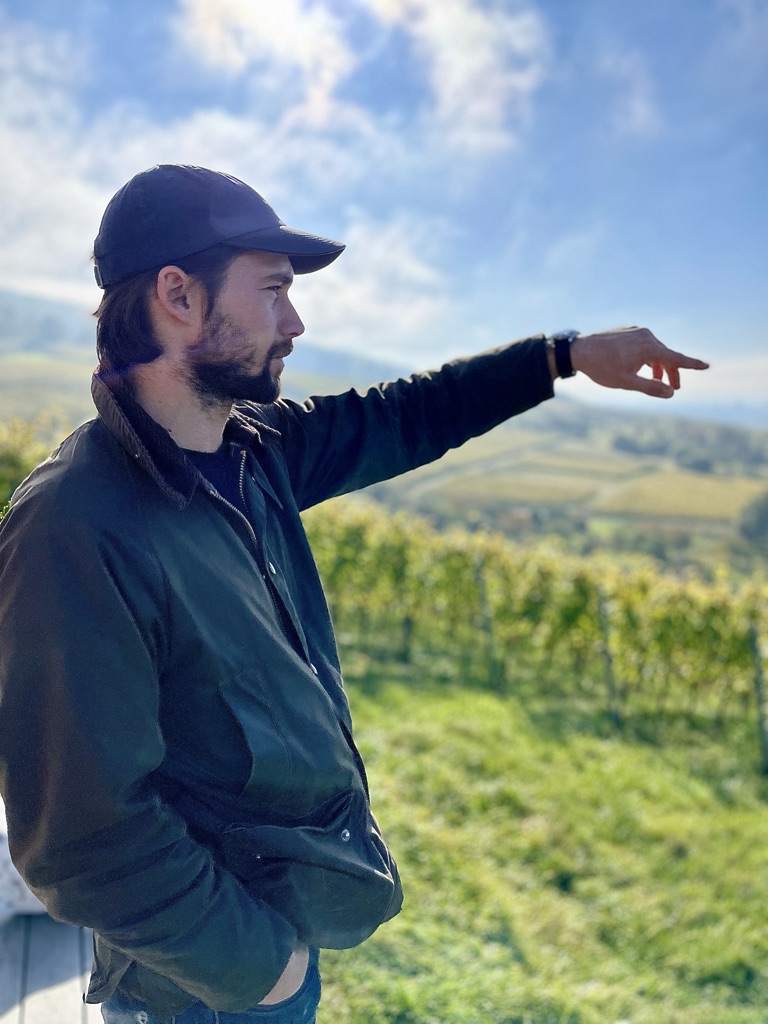
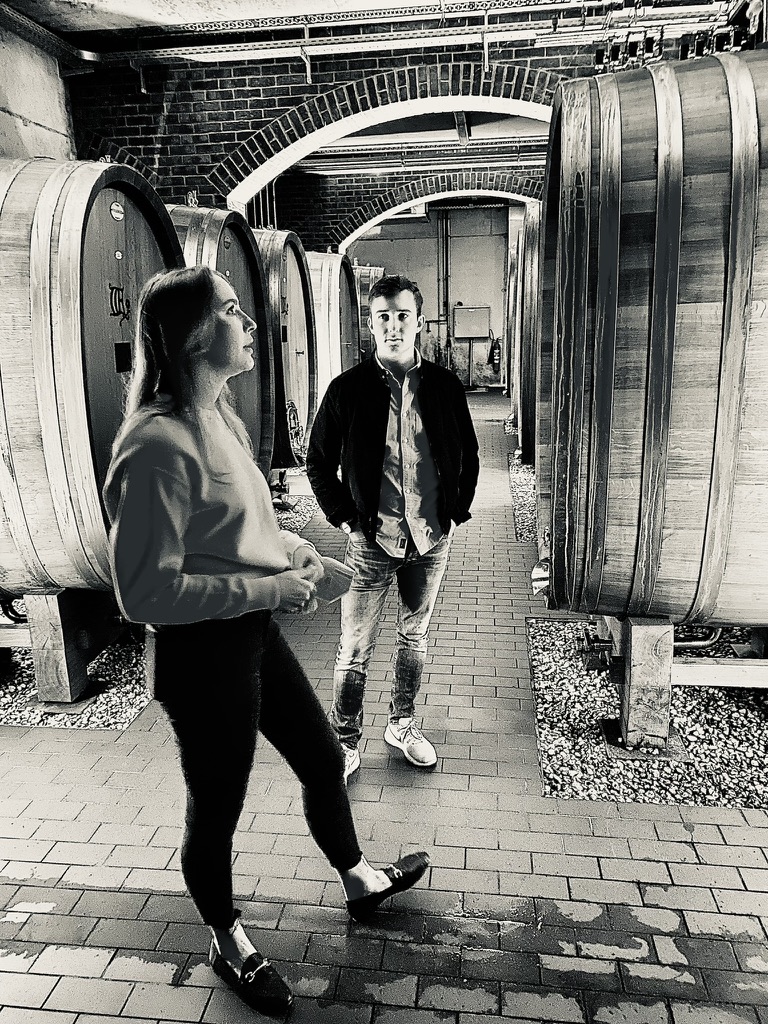
But the real engine was something else: I wanted to meet the people behind the bottles. So in early September 2020, I wrote an email—to Mosel winemakers who had impressed me back then. (I still have that email saved, by the way.) And whether by luck or fate: every single one said yes. That was the moment when “I’ll just post now and then” suddenly turned into a journey.
Riesling as first love
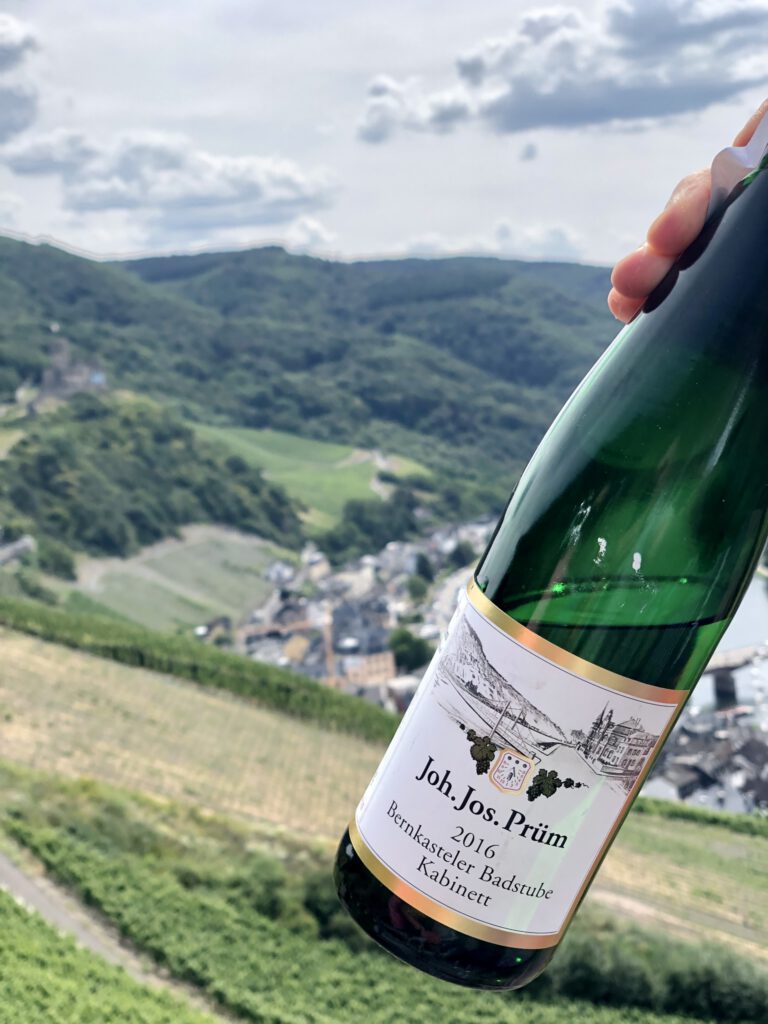
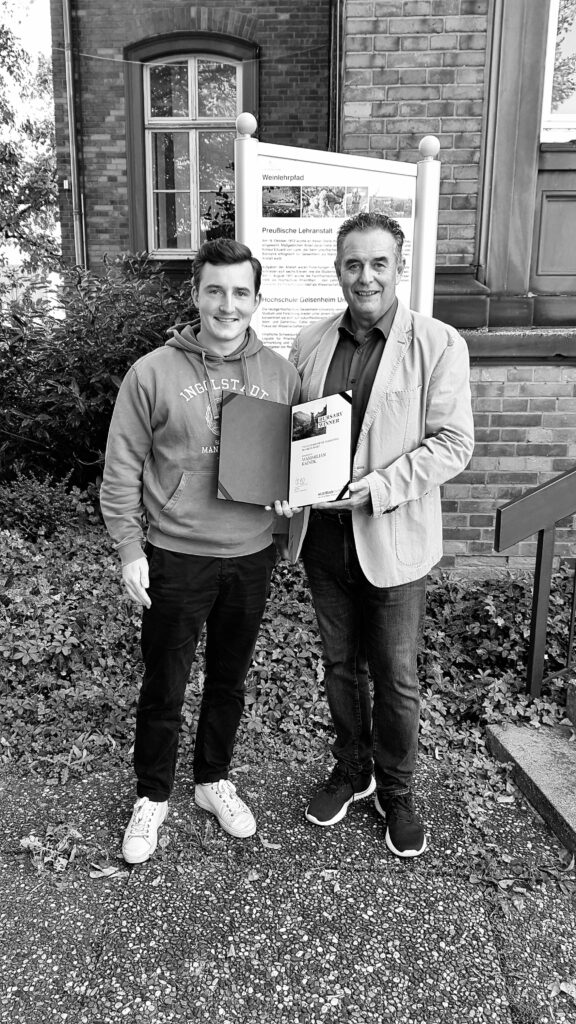
At the start, my focus was crystal clear: Riesling, especially fruity and off-dry/sweet wines from the Mosel. My first real wine love. That interplay of sweetness, acidity, tension, and maturity completely hooked me. I wanted to understand why it moved me so much. So I went deeper, and at some point I completed WSET Level 3. It gave me language for what I used to only feel. And with every new layer of knowledge came more curiosity. For other regions, other styles, other people. Slowly, my wine world grew.
Since 2024, I’ve been traveling more across Europe, visiting winemakers, tasting through regions, letting myself be challenged. Not because Riesling has become boring to me. Quite the opposite. Riesling remains the core for me. No pathos: I genuinely think it’s the most exciting grape variety in the world. But the deeper I dive into Fine Wine, the clearer it becomes: origin is a universal theme. And so is excellence.
If I had to sum up the last five years in one sentence, it would be this: I came for the wine and I stayed for the people.
Wine is choice. And that’s what I wanted to understand
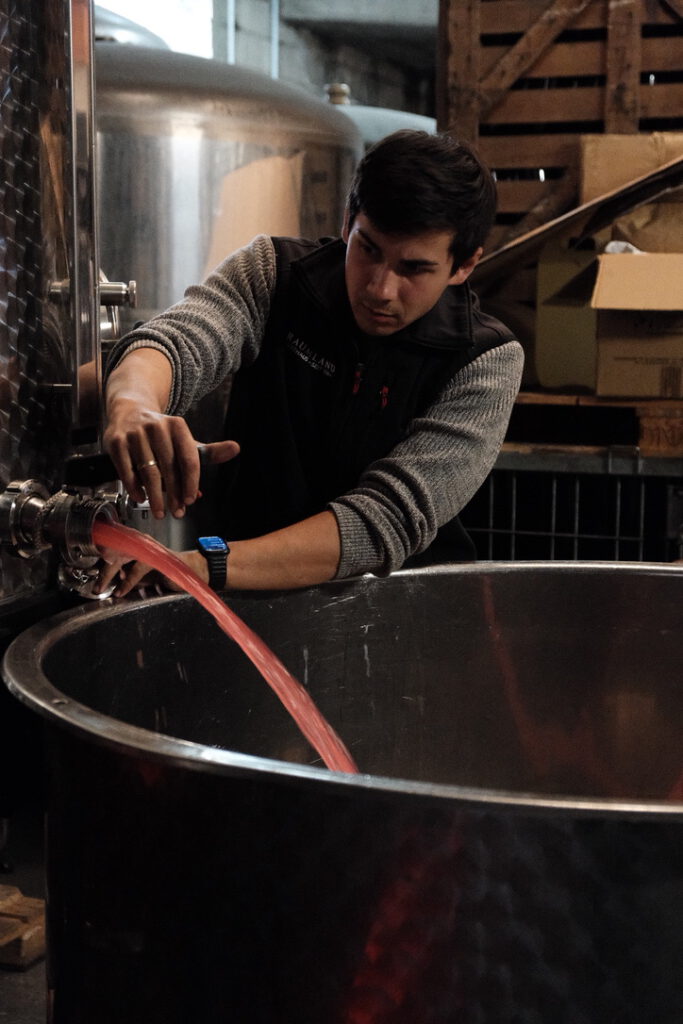
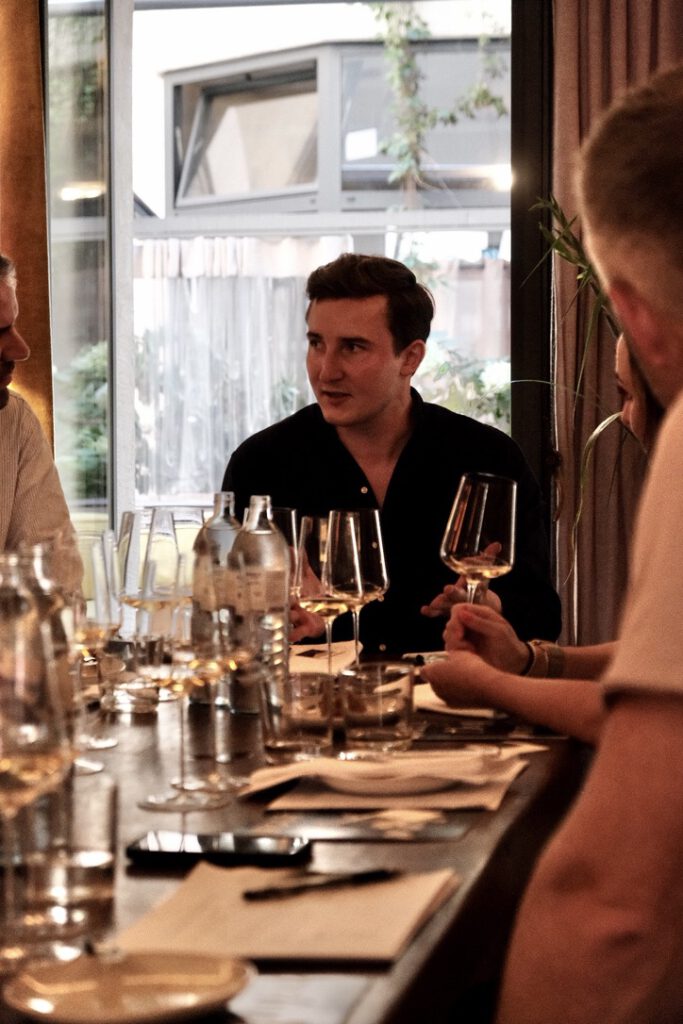
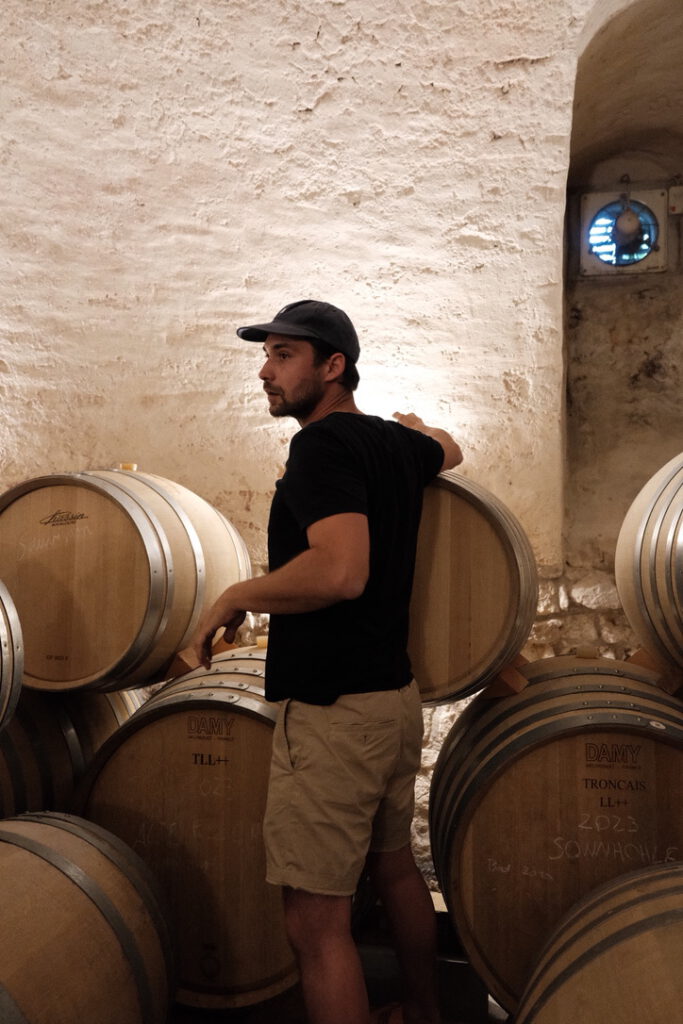
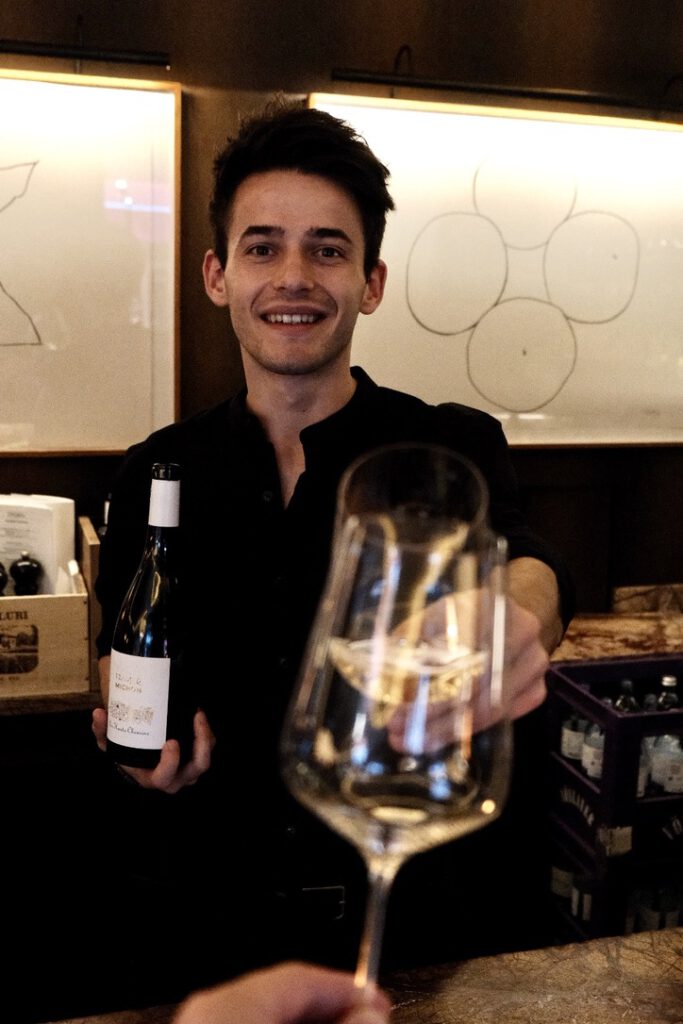
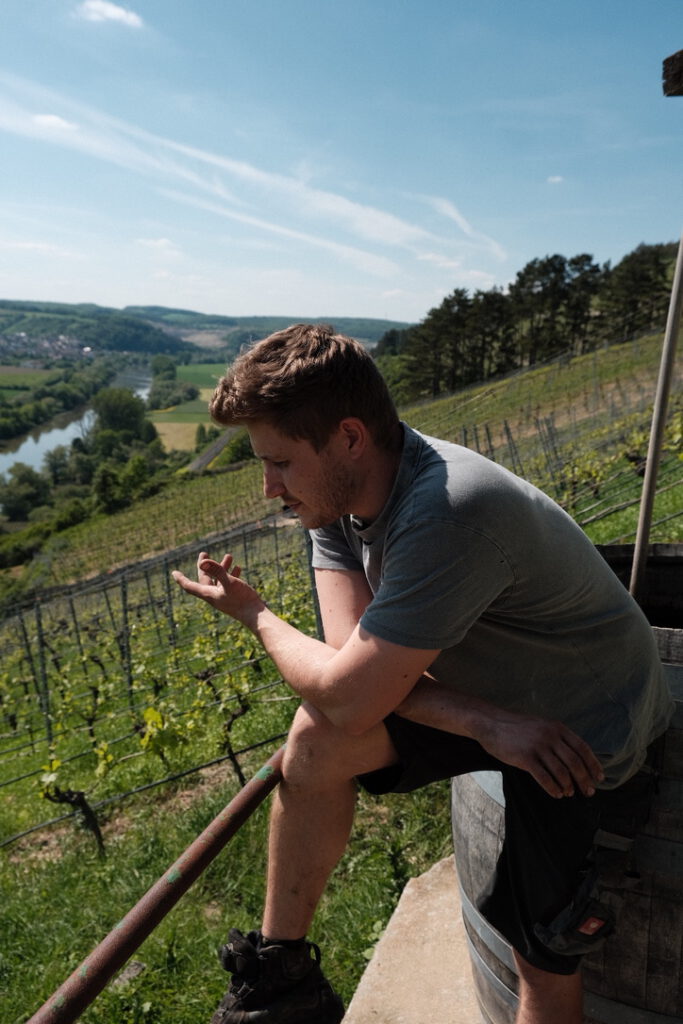
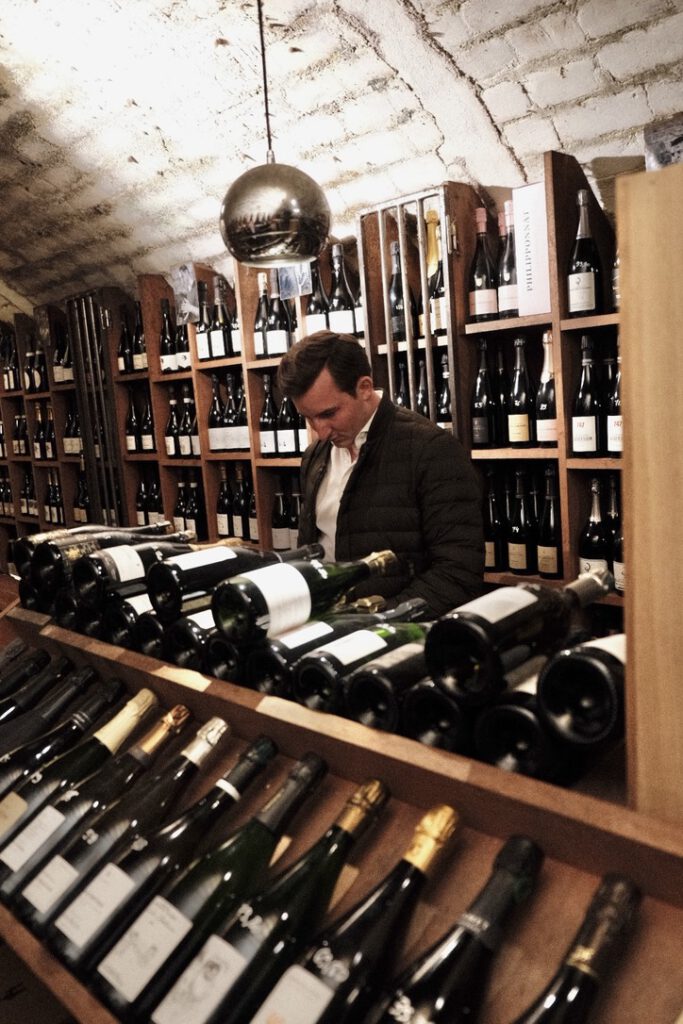
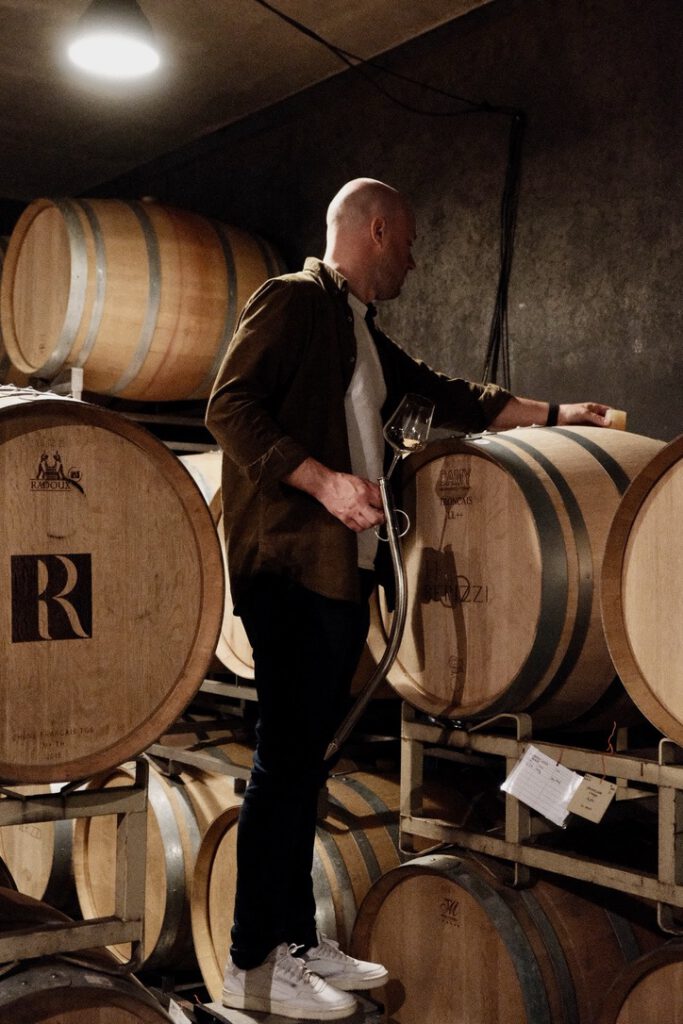
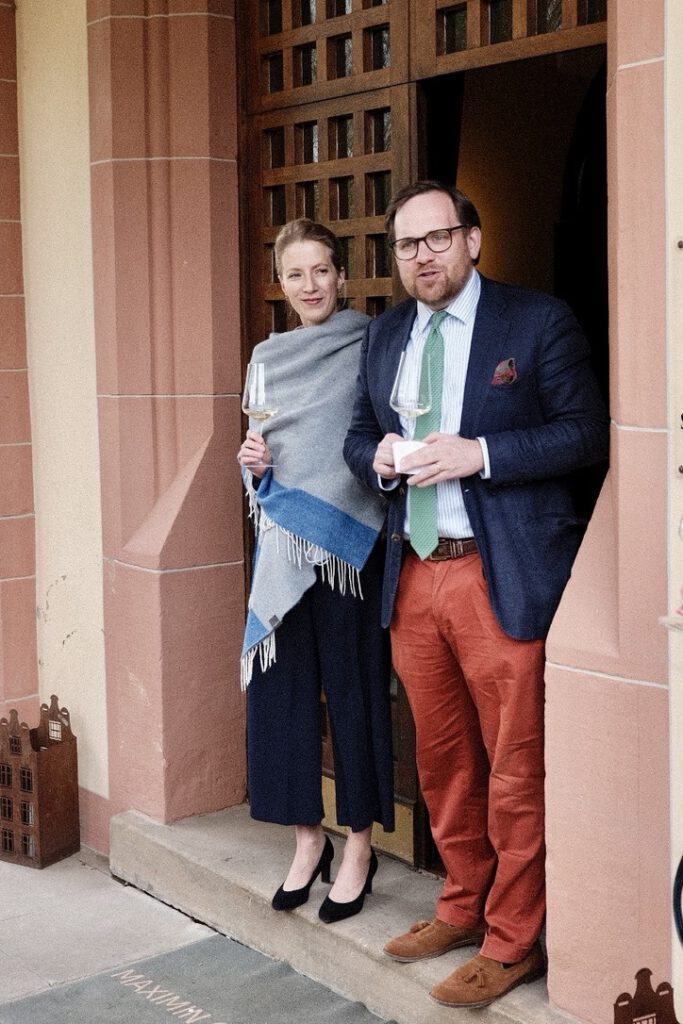
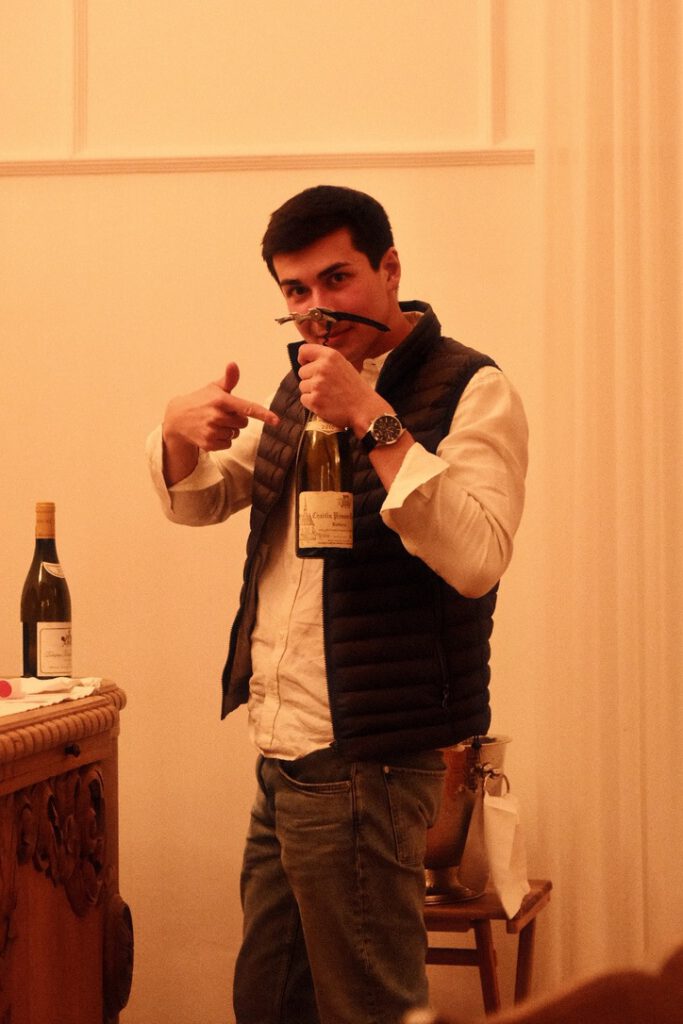
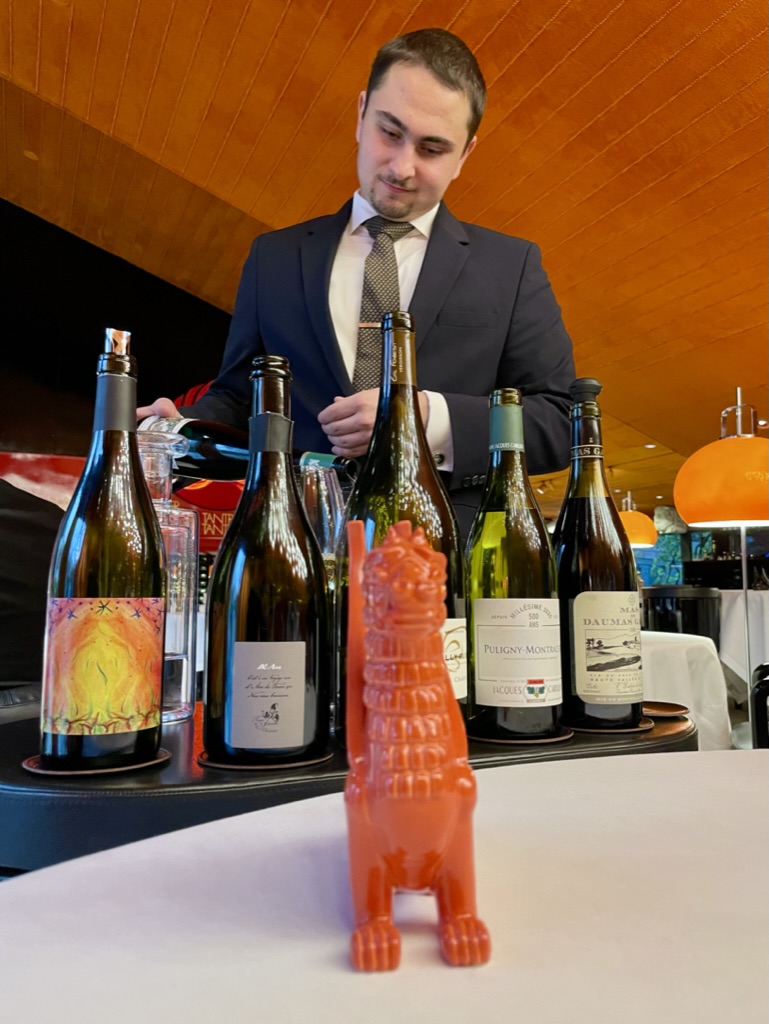
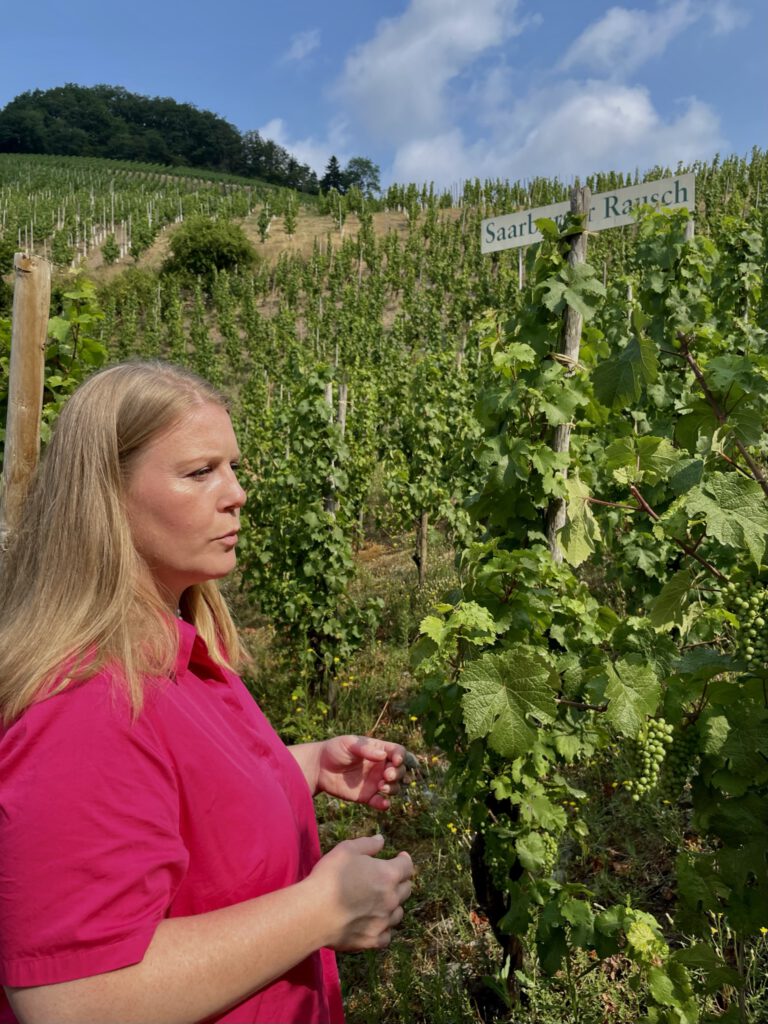
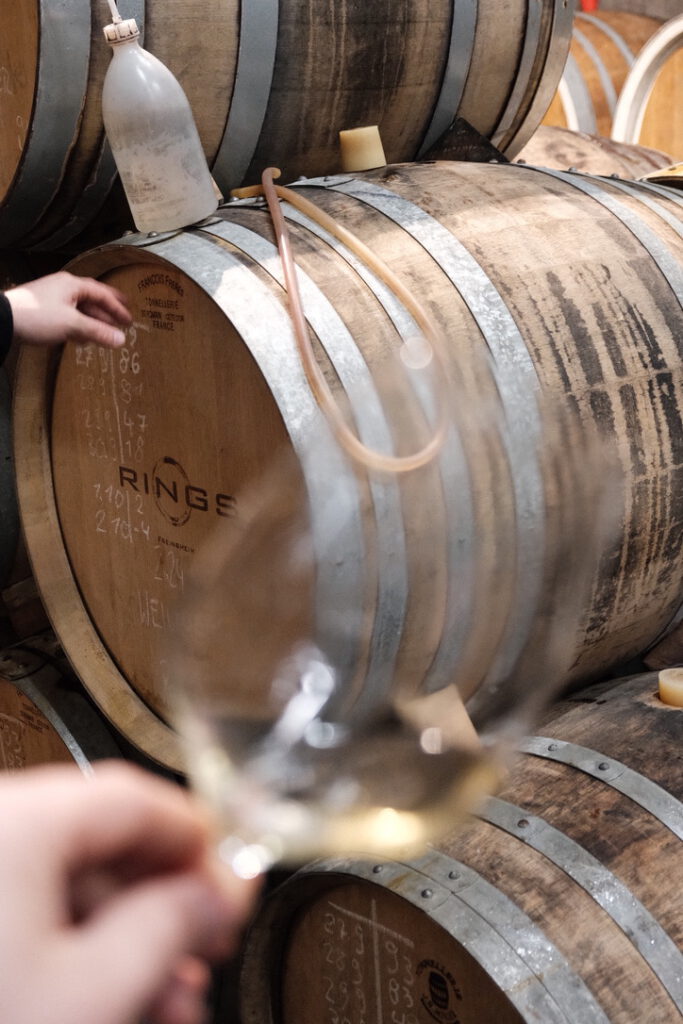
I’ve been lucky enough to experience so many great moments: in vineyards, in cellars, at kitchen tables, in tasting rooms, in restaurants. Kilometer after kilometer, year after year. And again and again the same thought: in the end, wine is craftsmanship plus decision. People decide when to pick. How strict the selection is. Whether the cellar intervenes or doesn’t. How much patience there is. How much risk. How much consistency. And those reasons—why it works brilliantly for some and less so for others—were what I wanted to understand. That’s still the core of The Art of Riesling: not just “tastes good,” but “why does it taste like this?”
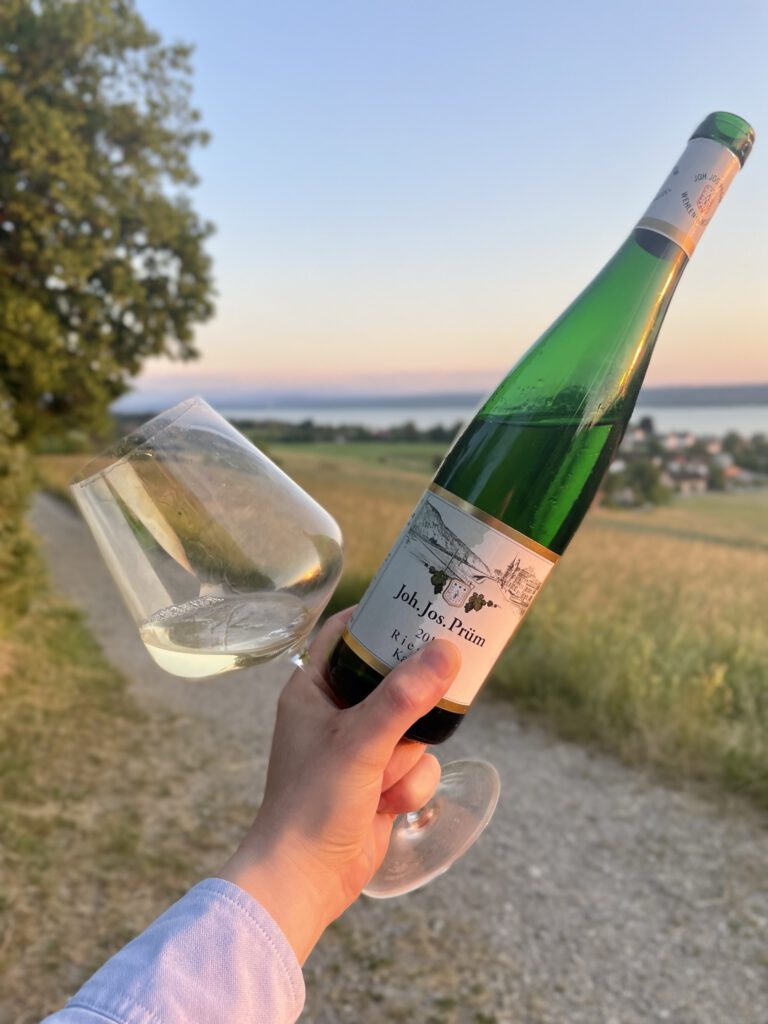
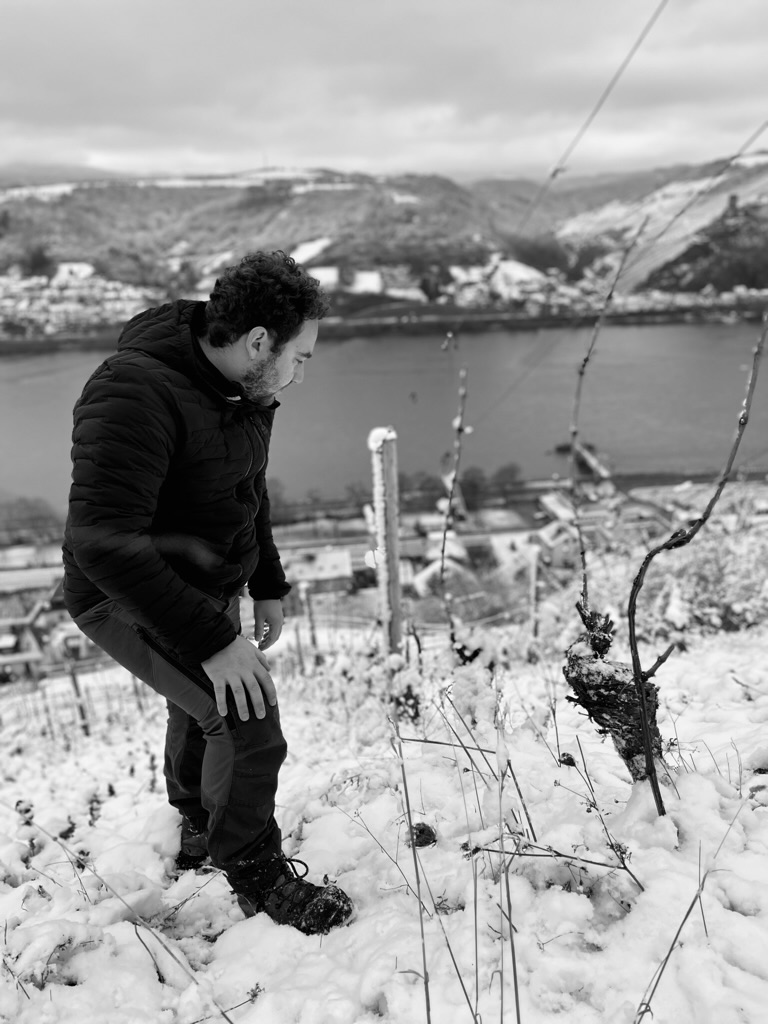
On excellence and friendships
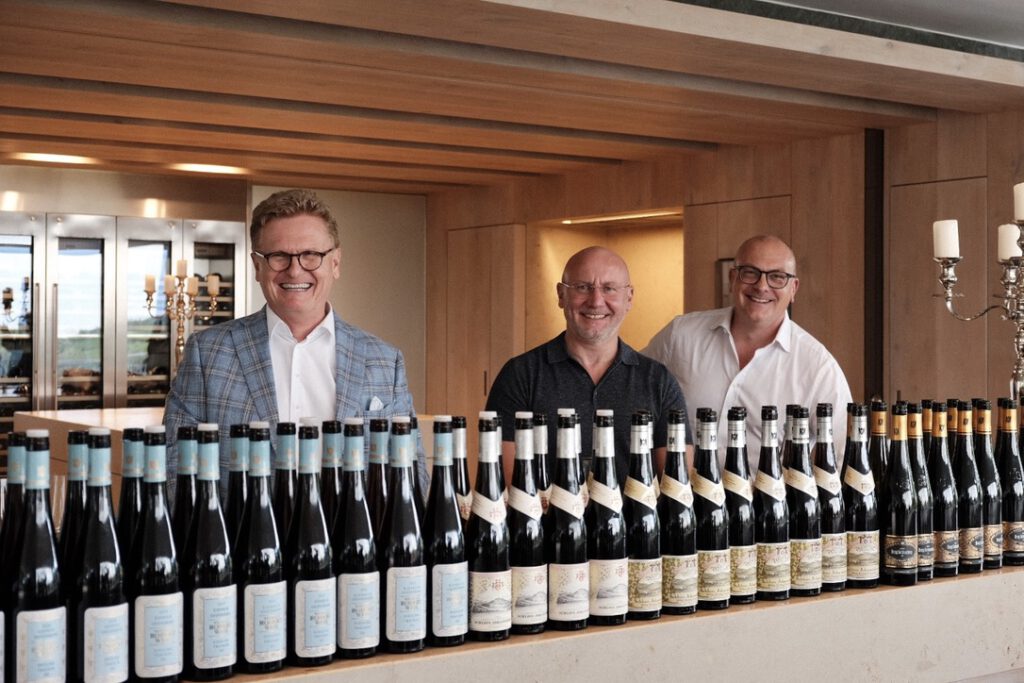
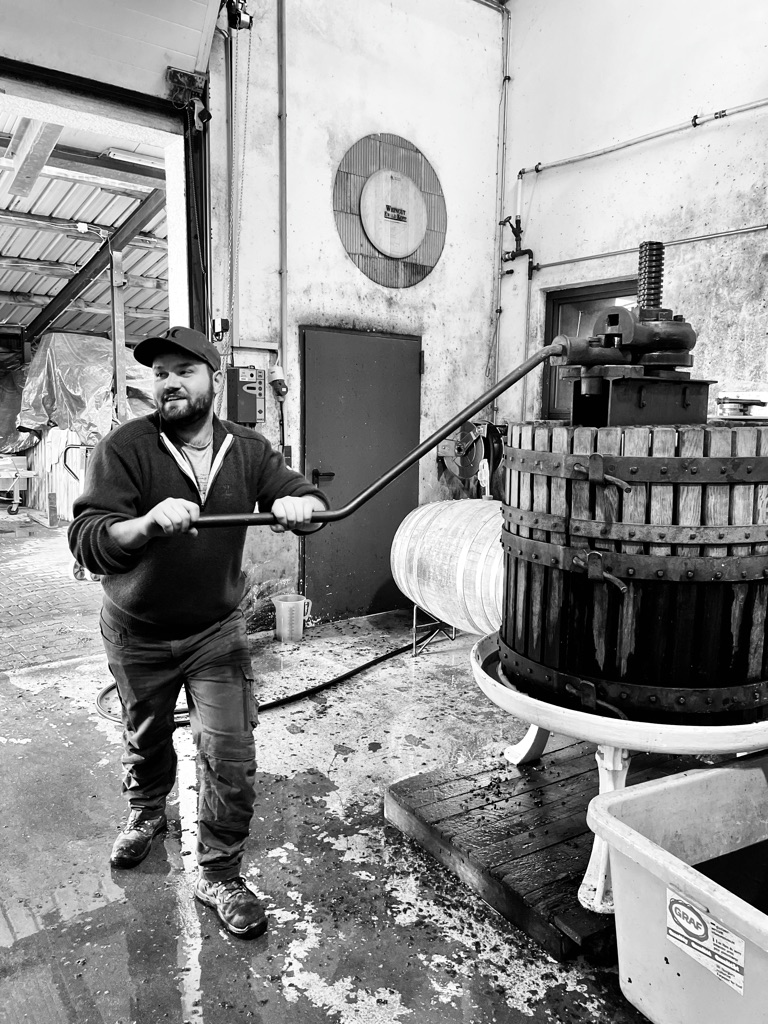
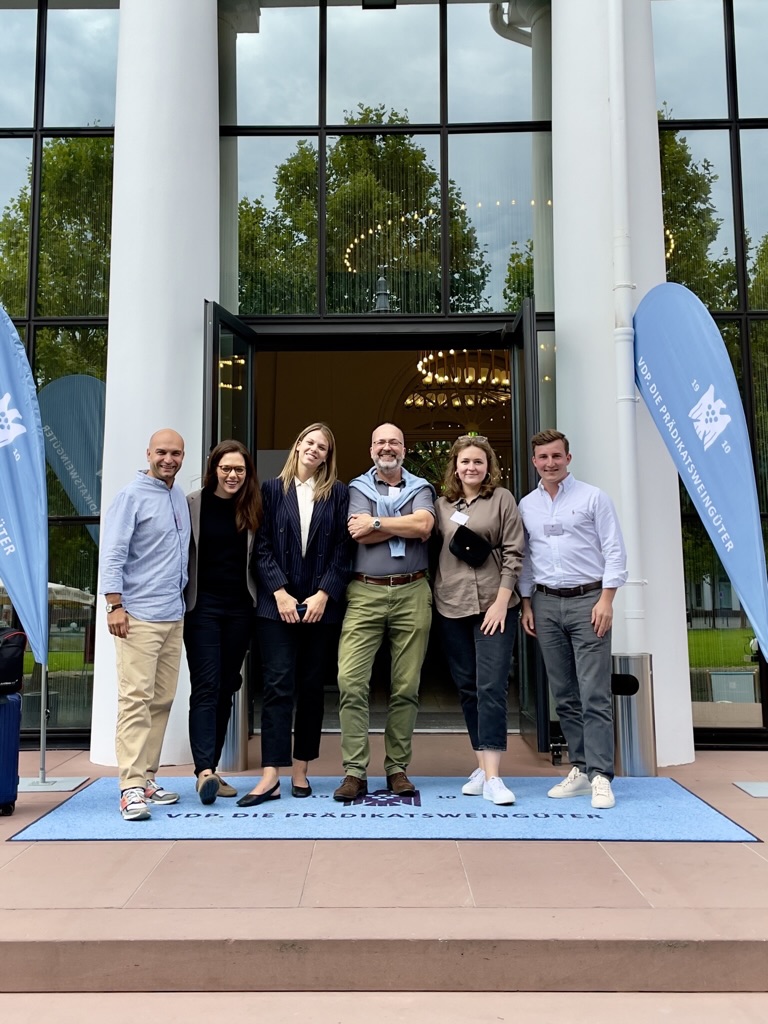
Over time, I’ve also realized how fascinated I am by people who strive for excellence—no matter the profession. In the wine world, you meet an astonishing number of them. And the best part: many of them aren’t just brilliant, they’re warm, moving, funny, sometimes stubborn, sometimes quiet, but mostly genuine. Over the years, friendships have grown out of that. Today I can honestly say: to some estates, I no longer go as a “customer” or “blogger,” but to visit friends. That’s not a badge I pin to my chest. It’s just what happens when you don’t force anything. And maybe that’s one of my biggest lessons: things find their best path when you let them grow honestly rather than trying to bend them into shape.
A 1959 TBA with Roman
Special moments? Uff. Where do you even start, where do you stop.
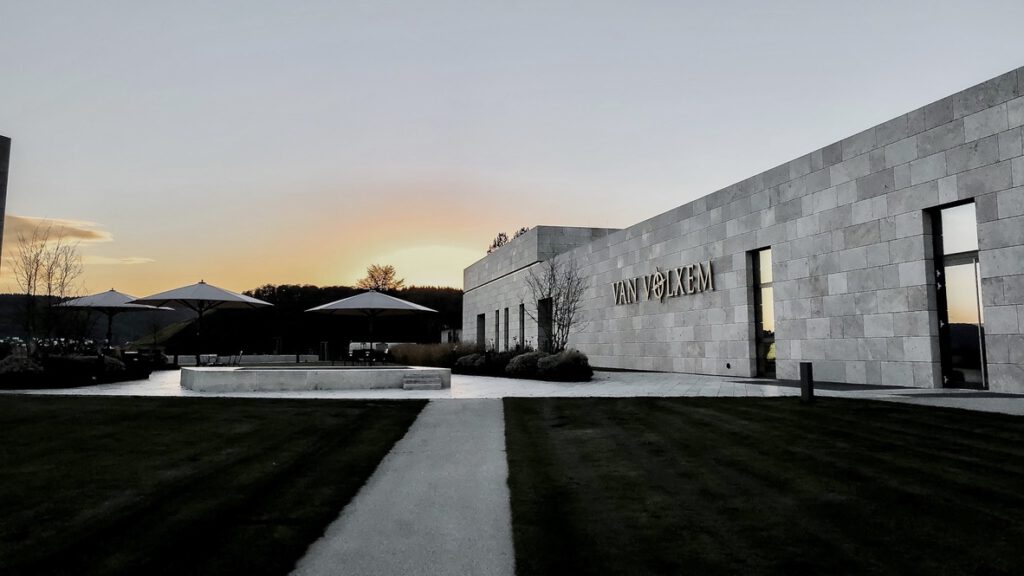
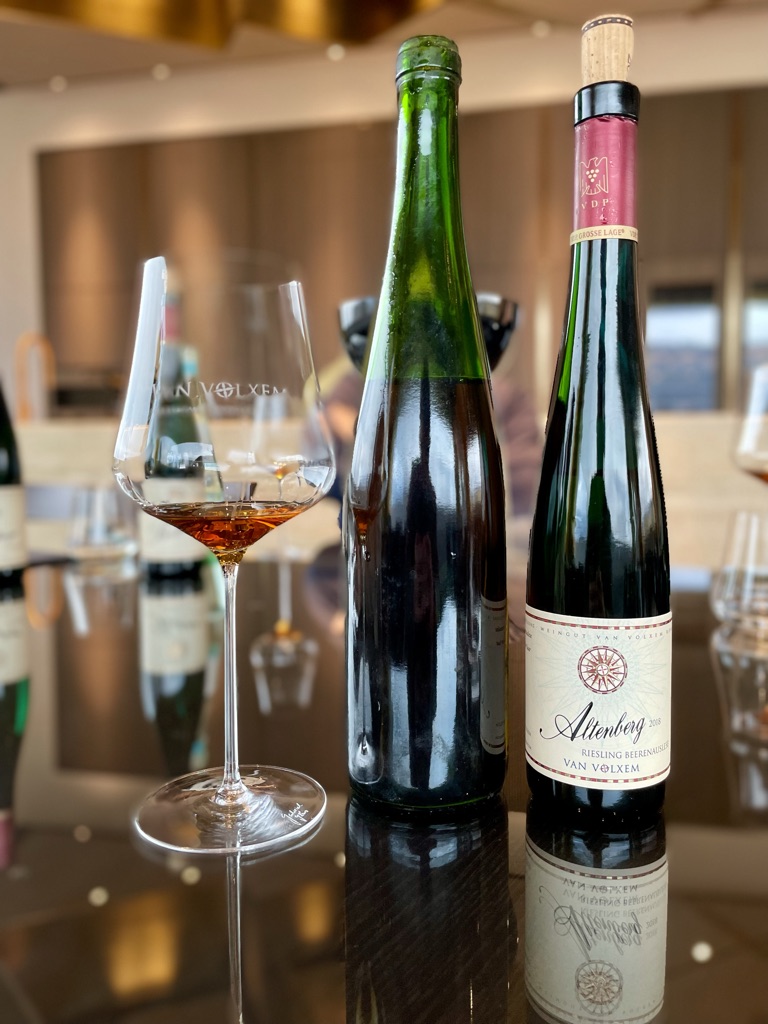
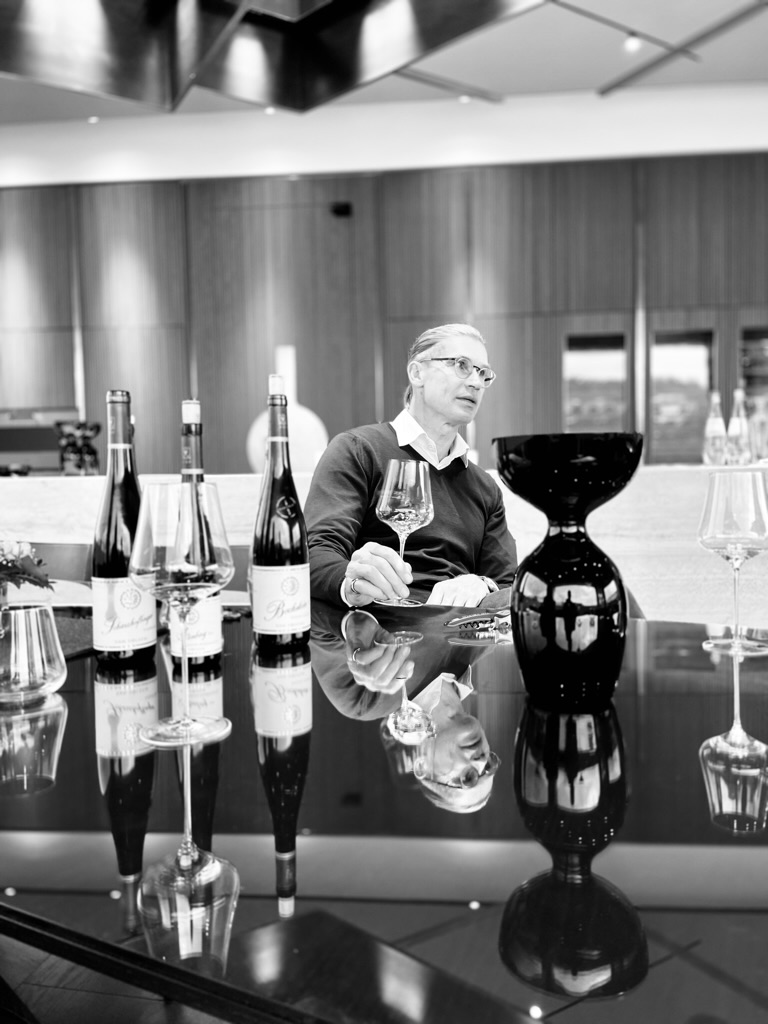
One that’s burned into my memory was my second visit with Roman Niewodnizanski at Van Volxem. A hazy autumn afternoon, sitting with two friends in his new tasting room. We talked, we laughed, we tasted. And then Roman suddenly reached for a dark bottle with no label. No big theater. He just poured. The wine in the glass was oily-black, almost viscous. And that first touch on the palate… Honestly, it was like Christmas, New Year’s Eve, and a birthday all at once. A firework of density, intensity, depth. And yet: hovering above it all, a finesse, a lightness I hadn’t experienced like that before. It was a 1959 TBA (Trockenbeerenauslese) from Scharzhofberg by Egon Müller. A moment that pushed my horizon for Fine Wine to a new altitude. Not because the wine was expensive. But because it was that almost magical moment where everything fit. Where time, place, and feeling went quiet for a second. One-off. Unrepeatable.
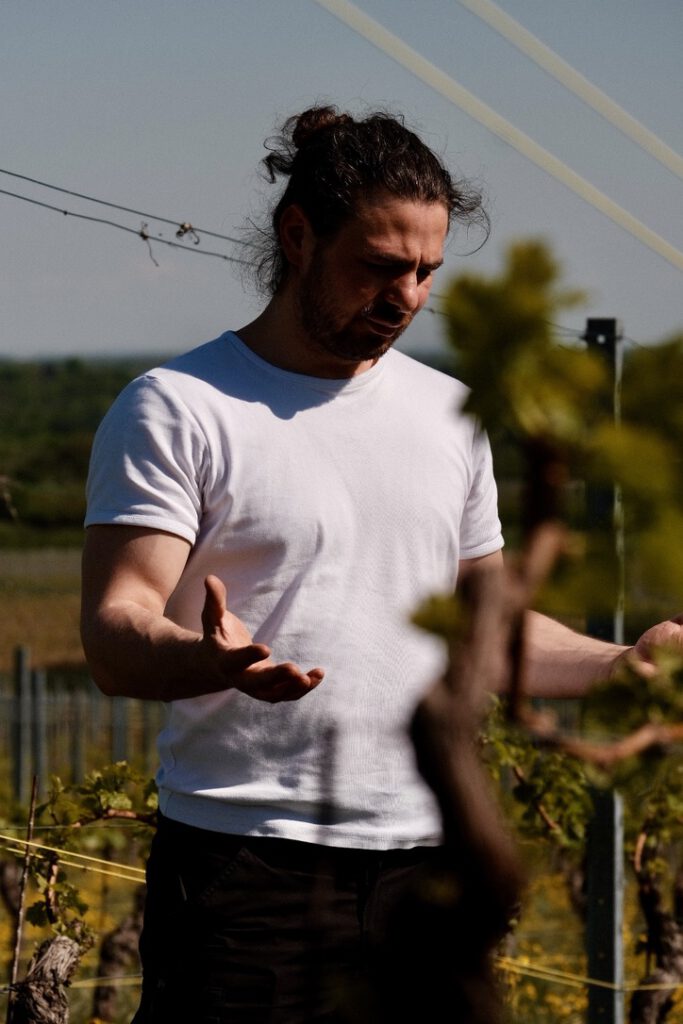
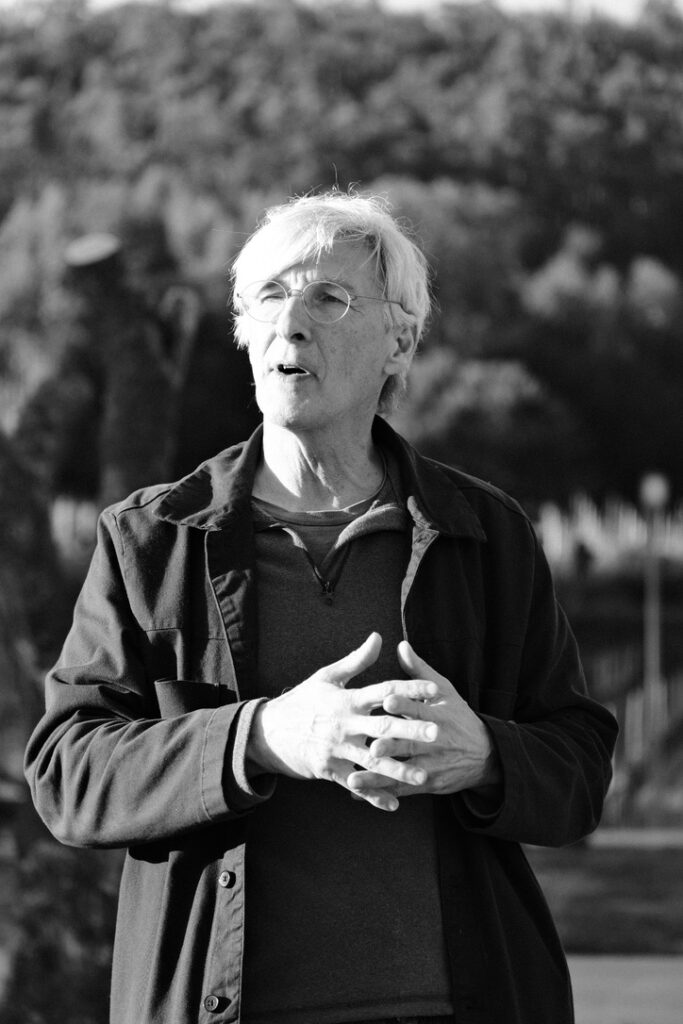
There have been more of those moments over the years than I could ever list here. Not every moment was as spectacular as a 1959 TBA. But many were just as important in their own way. A spontaneous conversation with Jan Raumland in the vineyard that taught me more about viticulture than my WSET textbooks. A bottle you open with the right people at the right time, and suddenly you think: This. This is exactly why we do it.
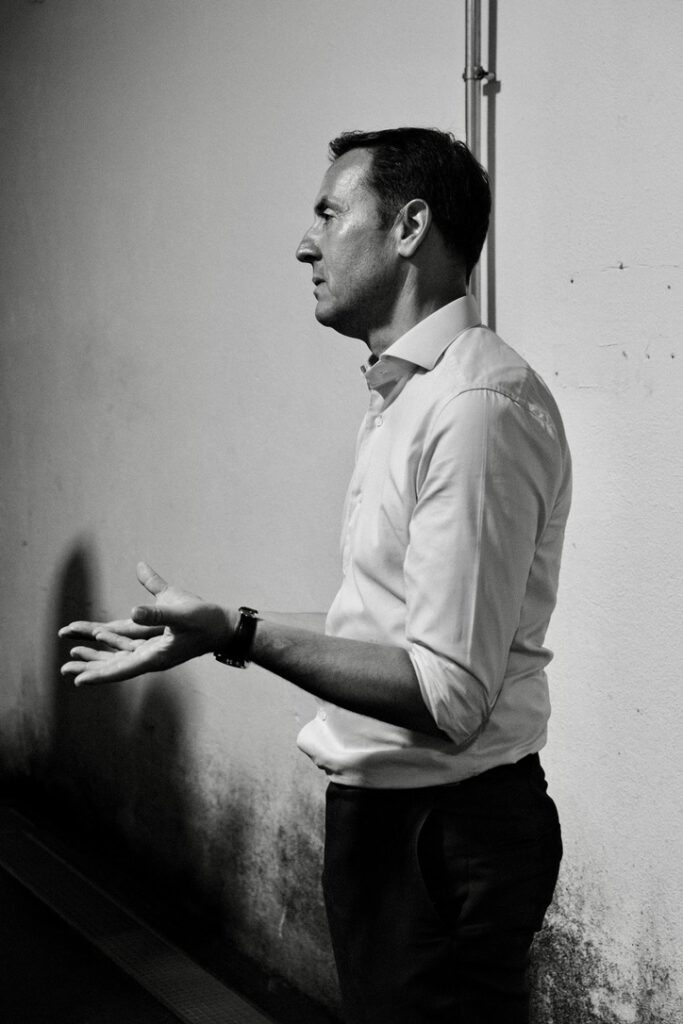
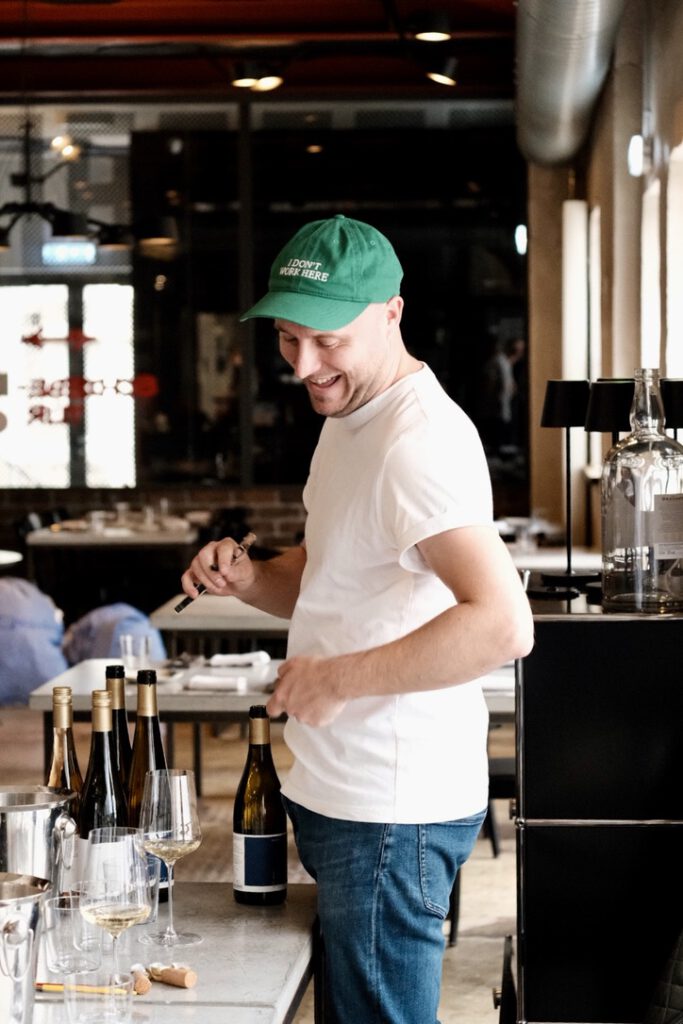
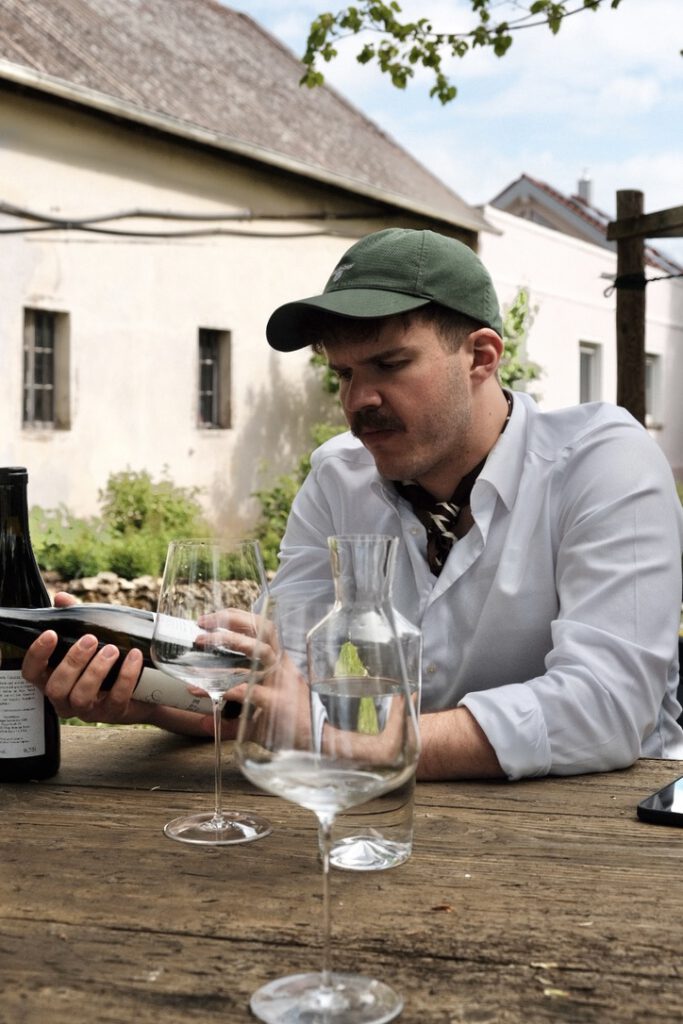
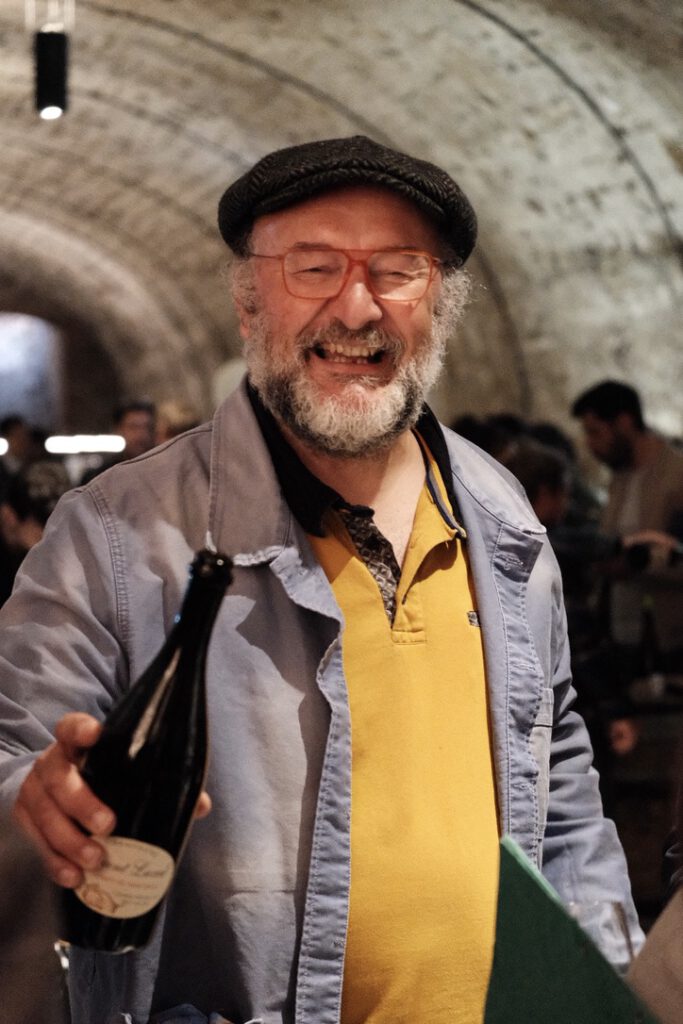
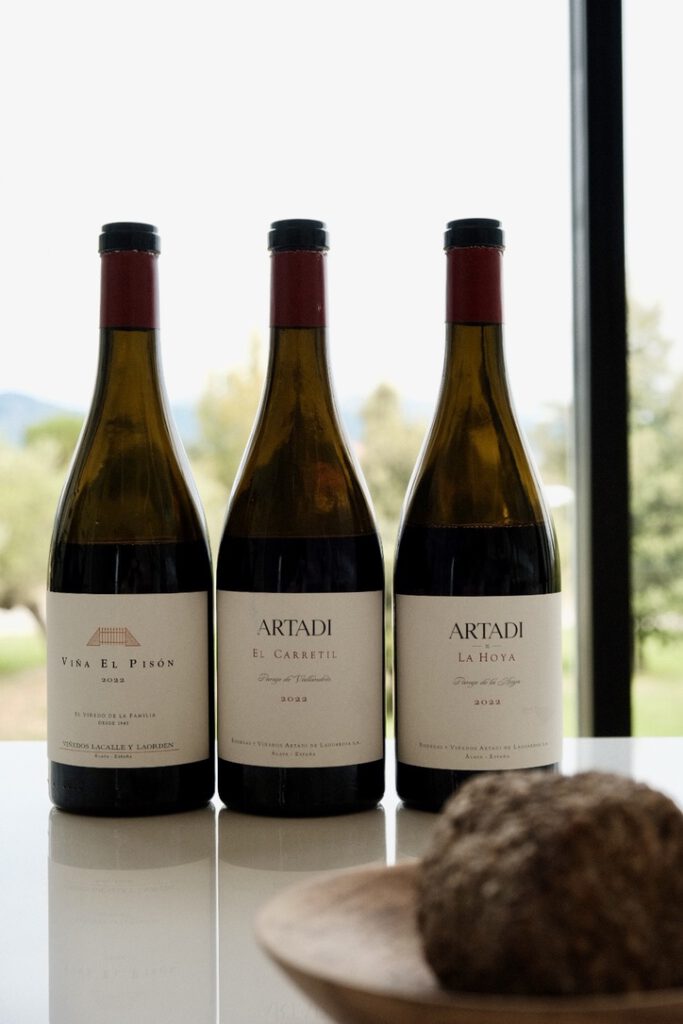
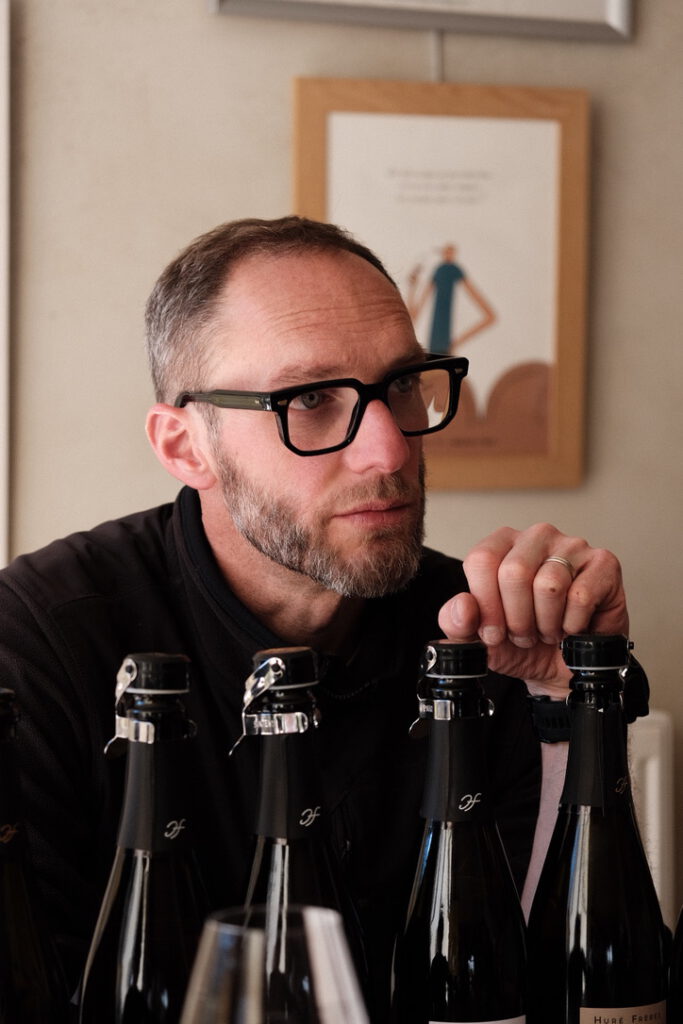
What did I learn?
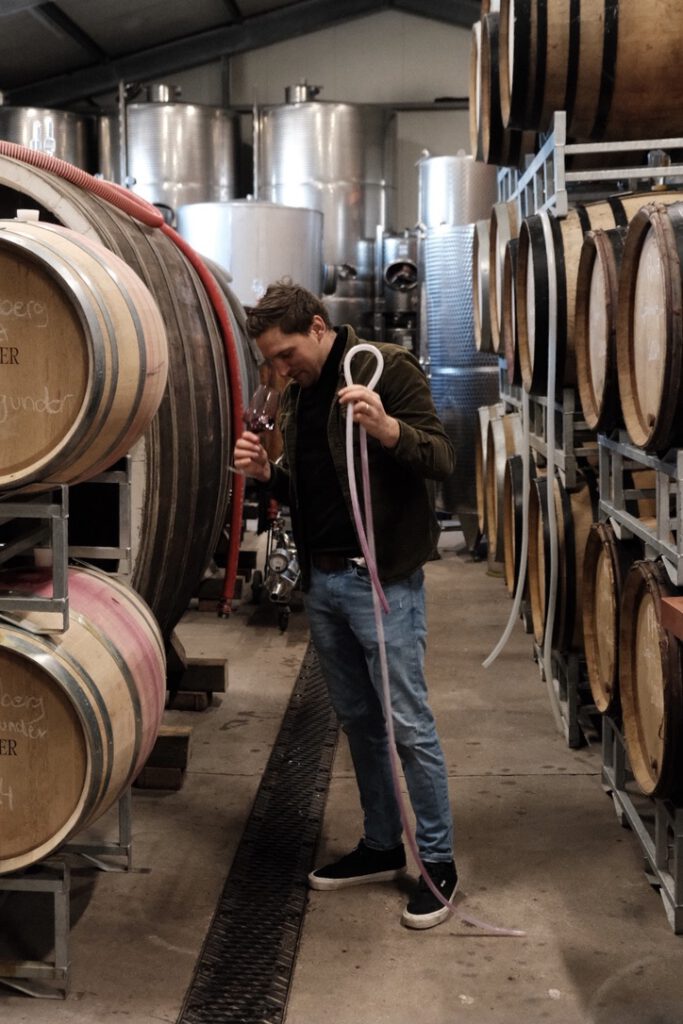
Humility. In front of nature. In front of the work. In front of the final result. And especially in front of the people in the second row: the teams who do cellar work late into the night, who stand outside when everyone else is already warm, who save the details no one will ever mention in tasting notes but everyone will taste. And I learned that a bottle of wine can be a witness of time. A captured moment. When we open it years later, it’s not reproducible. You can’t “make it again.” That’s exactly what makes Fine Wine so special to me: it’s not just pleasure. It’s experience. And sometimes, it’s even memory.
And now? What’s next?
Above all, I want to stay true to myself: independent, curious, without forcing anything. “Go with the flow” is, for me, a conscious decision against artificial hype. I want to keep traveling, discovering new regions, meeting new people. Over the next years, the focus will open up more: away from purely Riesling content towards Fine Wine worldwide but with Riesling as the guiding thread. And I want to structure things more cleanly. Not because I have to “grow,” but because I can feel my content deserves its own system by now.
From 2026 onward, I’ll set The Art of Riesling up more clearly: not three separate channels running next to each other, but a cycle that feeds itself.
will be the place for everything spontaneous and short-form. Quick impressions, stories, hints, and links to longer pieces.
Substack
will be where I share my weekly short impressions on wines, producers, and experiences. Similar to what you currently see on my WhatsApp channel.
My web blog
will be home to the long reads once or twice a month: topics that occupy me, opinions, travel diaries, deep wine notes, and more.
And via email newsletter and Whats App channel
you’ll always stay up to date and won’t miss new stories or links.
Content-wise, I also want to play a few themes more consistently: tasting plus context. Background that makes connections clear and understandable—without lecturing. And formats where you don’t just read, but can actually join the conversation.
My goal isn’t to post something every day. My goal is to deliver something every week that sticks.
Thank you
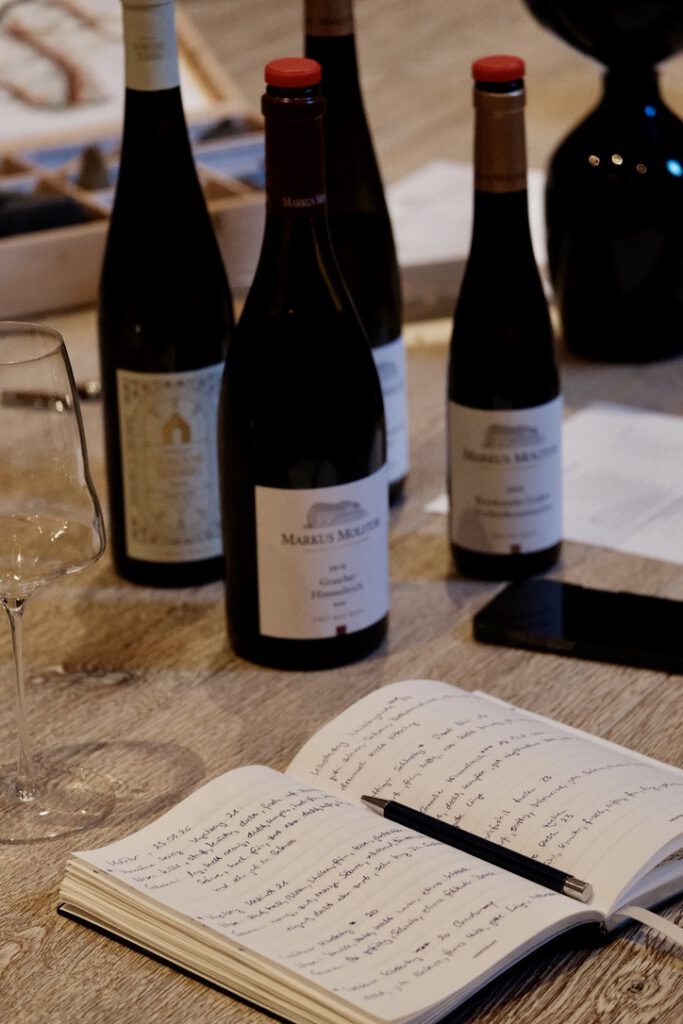
When I look back on these five years, I don’t just see bottles. I see roads. Train rides. Rain jackets in the vineyard. Countless voice notes after tastings. Notebooks. And conversations that stayed with me. I see how something that started as “I’ll write this for myself” slowly turned into something that works for others, too.
And in the end, there’s only one thing I can say: thank you. Thank you for reading. For discussing. For disagreeing. For open bottles, open questions, open minds. In a wine world that sometimes celebrates more “look” than substance, that’s the best corrective I could ask for.
Five years of The Art of Riesling doesn’t feel like an ending to me. More like a quick breath before things continue. A moment to look back, feel grateful and then, with even more clarity, curiosity, and passion, write the next sentence. So stick around. The best is still to come.
Pictures: © The Art of Riesling – Maximilian Kaindl

