
Before the VDP.Grosse Gewächse preview tasting in Wiesbaden, I have a small ritual. One round of the Rheingau. A moment to sort my head. A moment to reset my palate. Not because I have to, but because the days around the big preview tastings can tip over very quickly otherwise. One flight here, one judgment there, one sentence that sounds clever in the moment and already feels irrelevant two hours later. The Rheingau grounds me in those moments. It forces precision in the way I choose my words and shape my conclusions. And that is exactly why this tasting last August was so valuable.
Max Kaindl, April 05, 2026
Reading time about 10 minutes
The Rheingau Under the Microscope
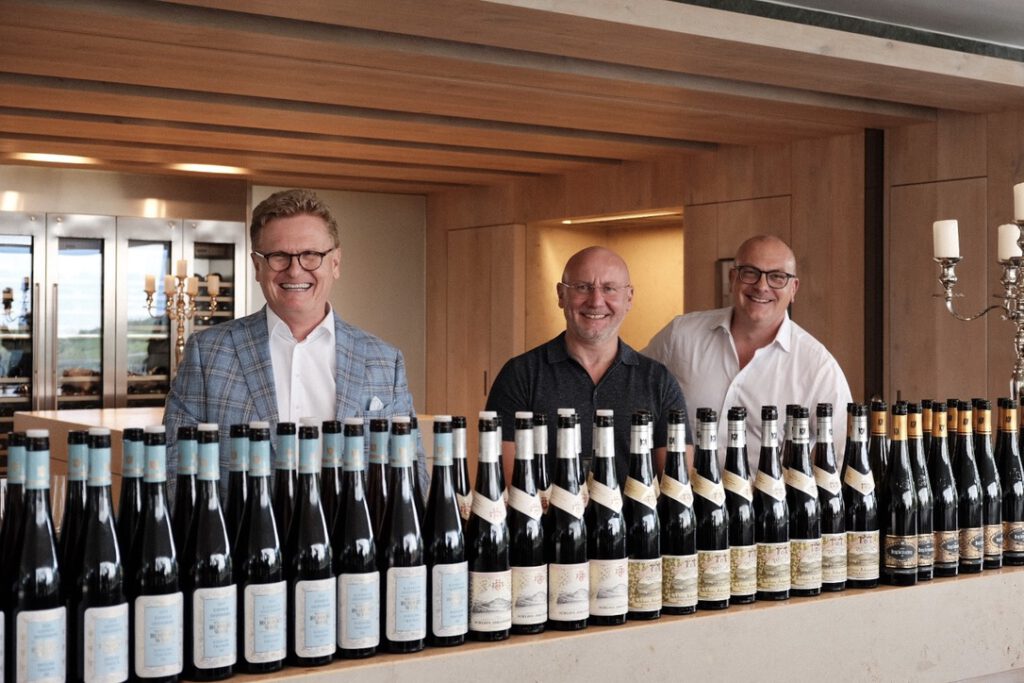
Three sites, three estates, twelve vintages
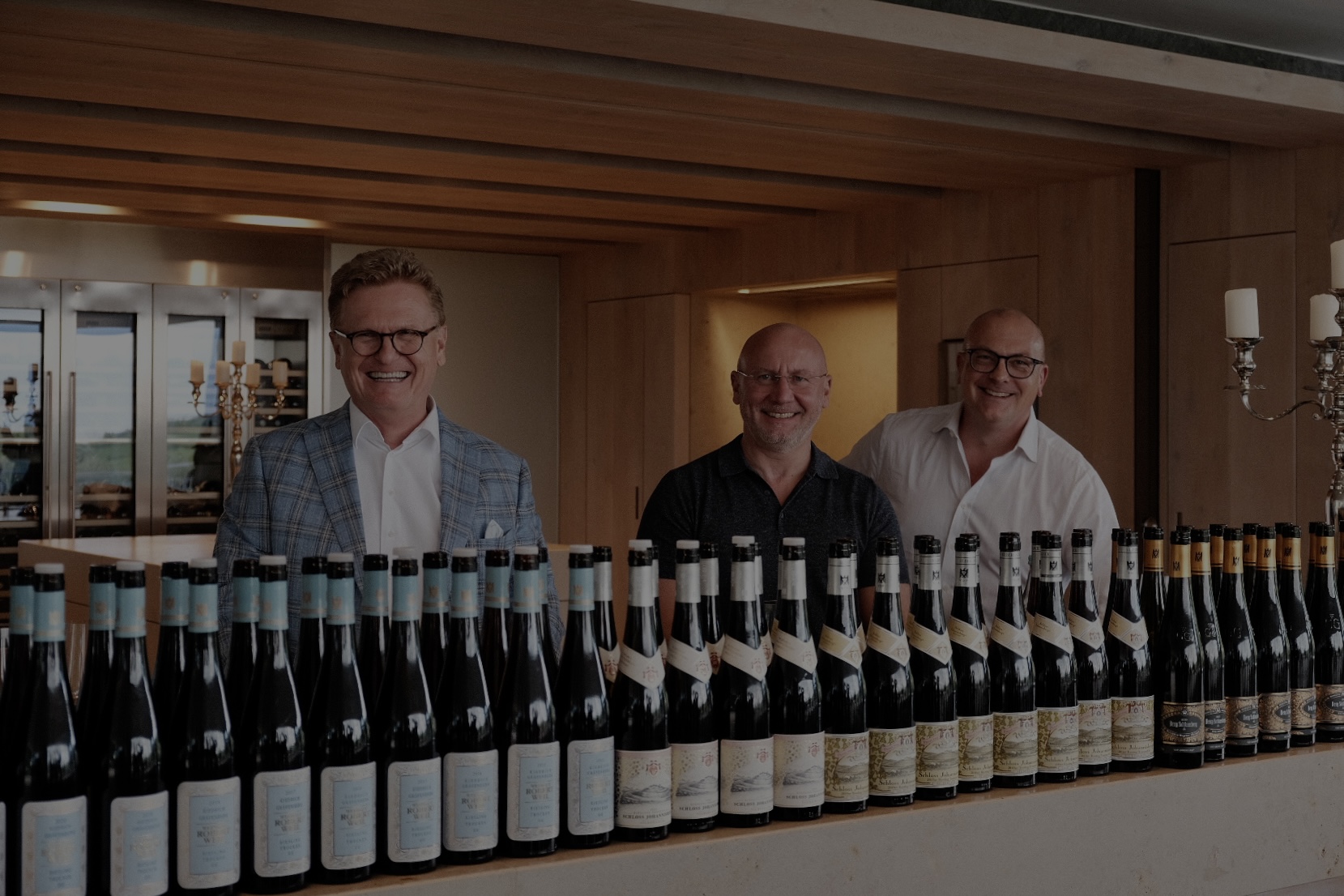
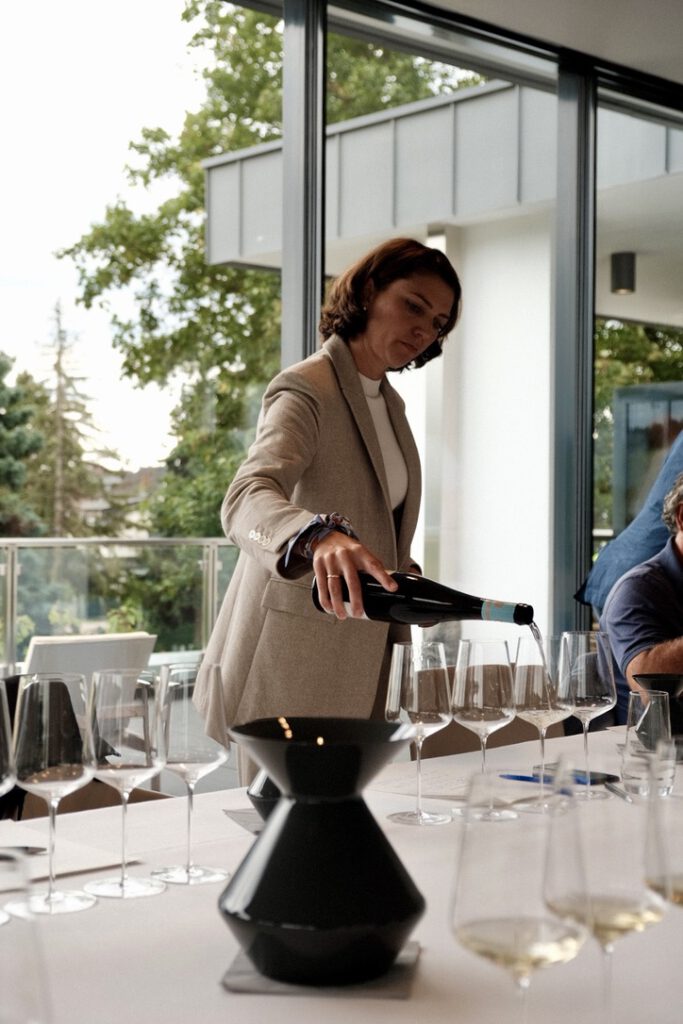
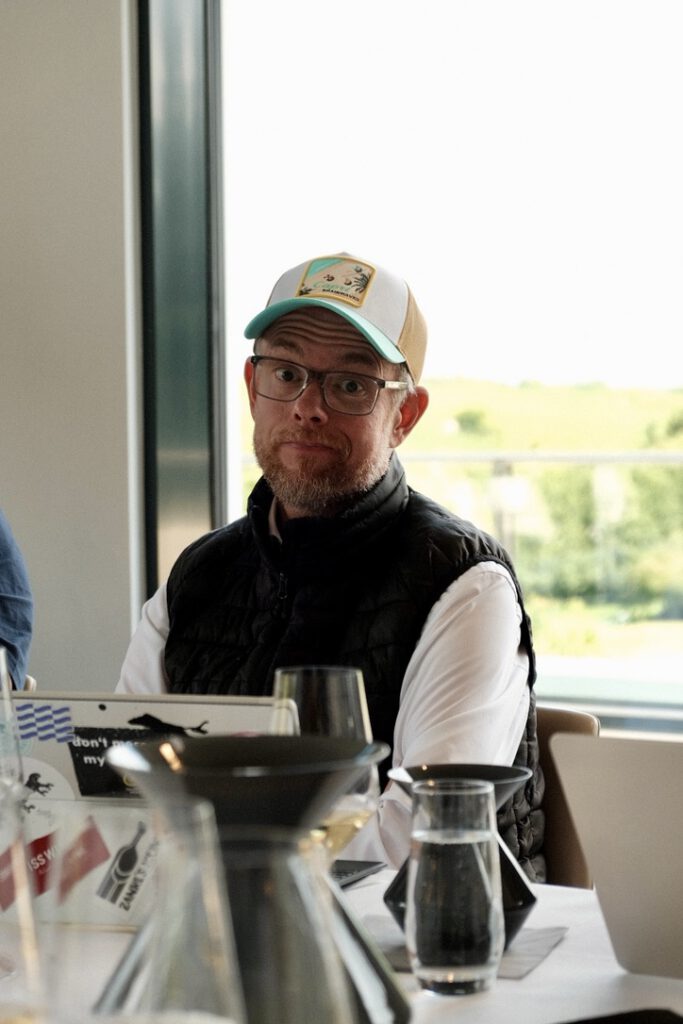
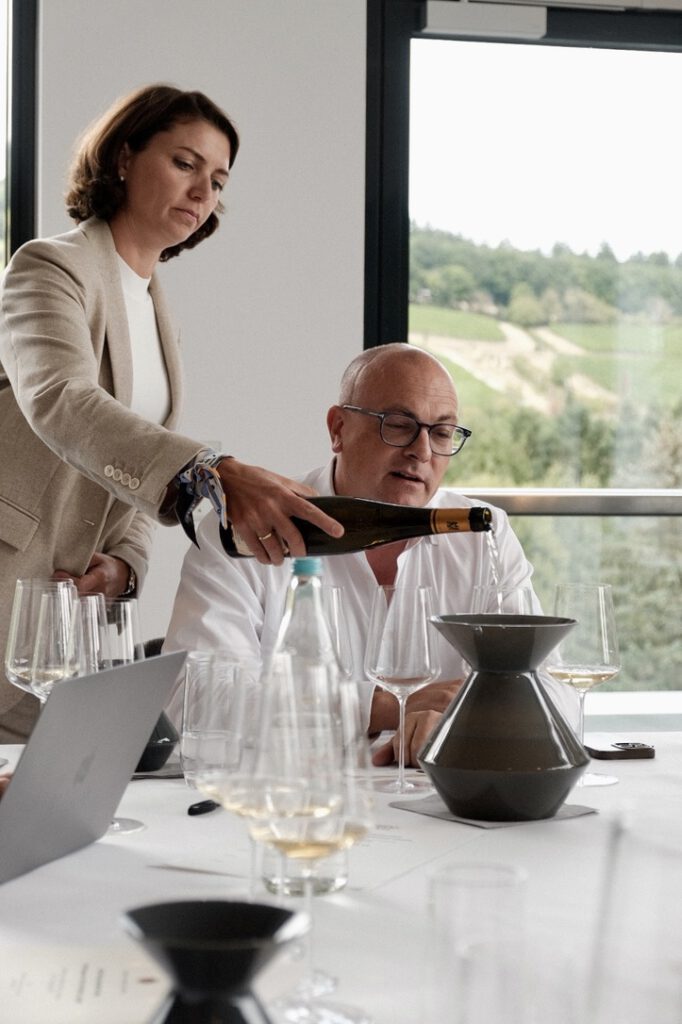
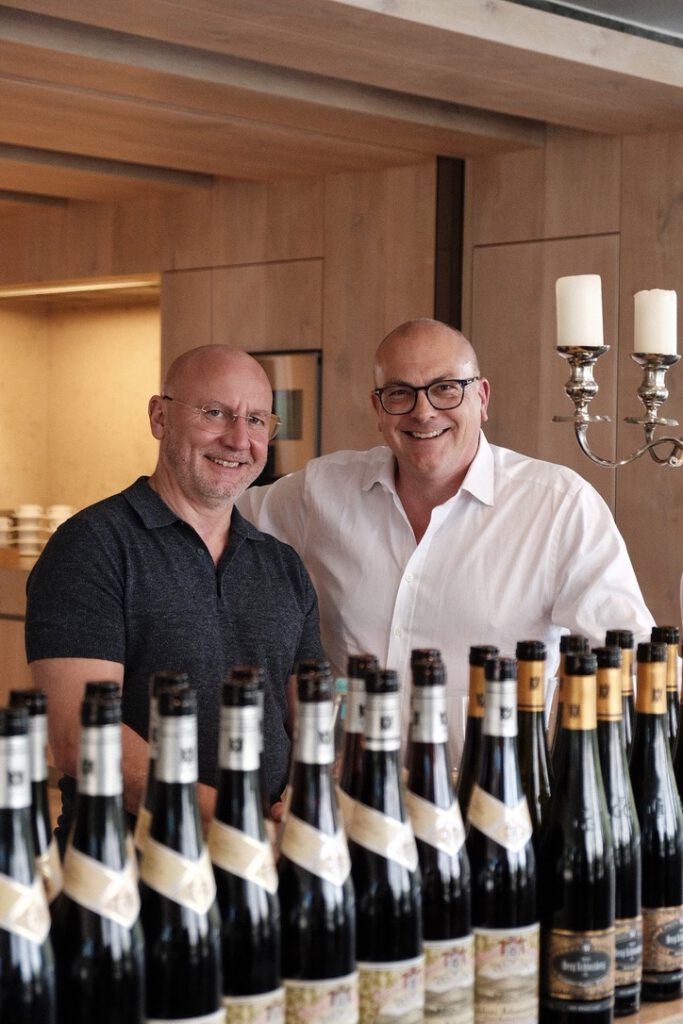
The invitation was to Robert Weil. Three estates. Three major names. Three vineyards that are not just relevant in the Rheingau, but firmly among the region’s elite: Kiedricher Gräfenberg, Schloss Johannisberg, and Rüdesheimer Berg Schlossberg. And the idea was not to stage this as some polished prestige tasting, but to take it seriously. A vertical. Twelve vintages. 2012 through 2023. This is not a comfort format. Which is precisely why I love it.
Because in a vertical, you cannot hide. The beautiful first sip does not matter. The quick punchline does not matter. The label does not matter. If you taste too superficially, the vintage will show you the finger. This is where you see stylistic shifts. Weather. Maturity curves. Elevage decisions. And sometimes, the limits of what even very good growers can still smooth out in difficult years.
Gräfenberg: the quiet perfectionist
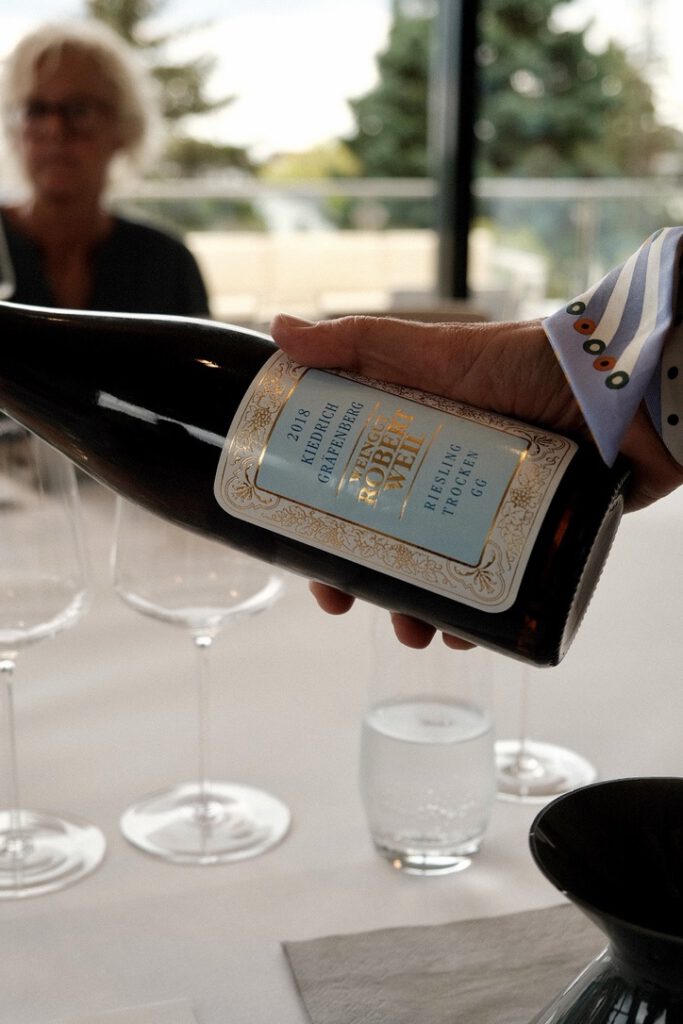
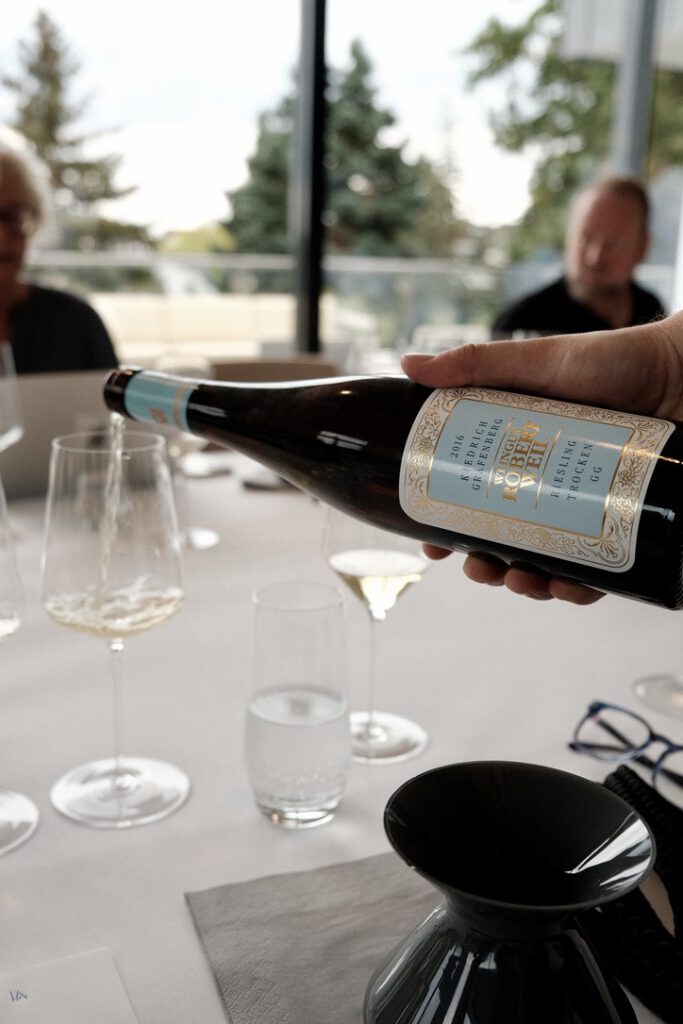
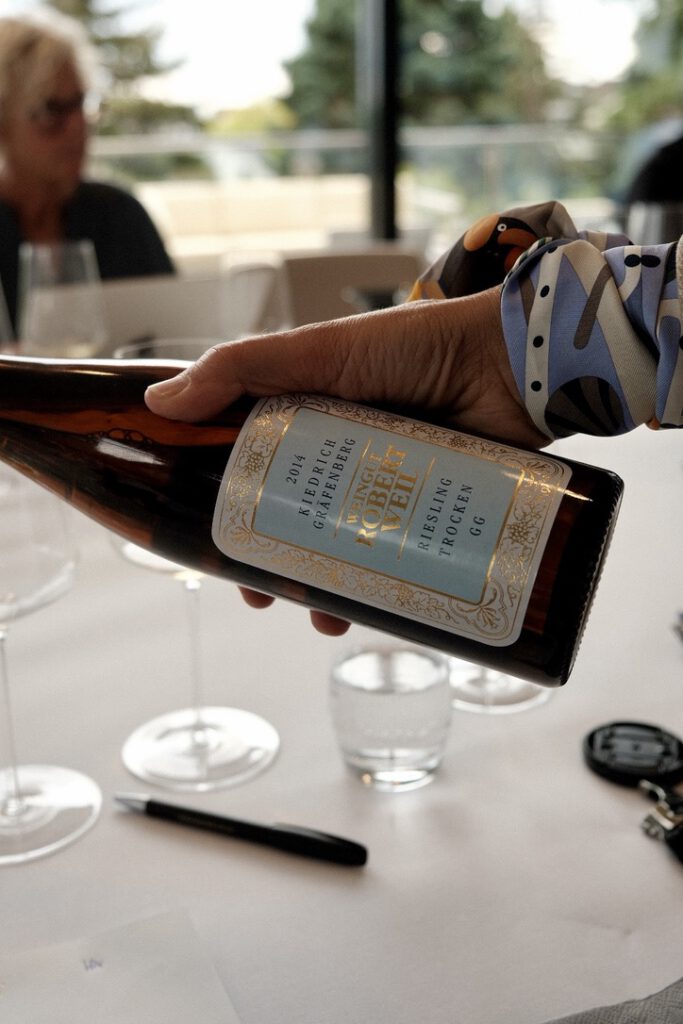
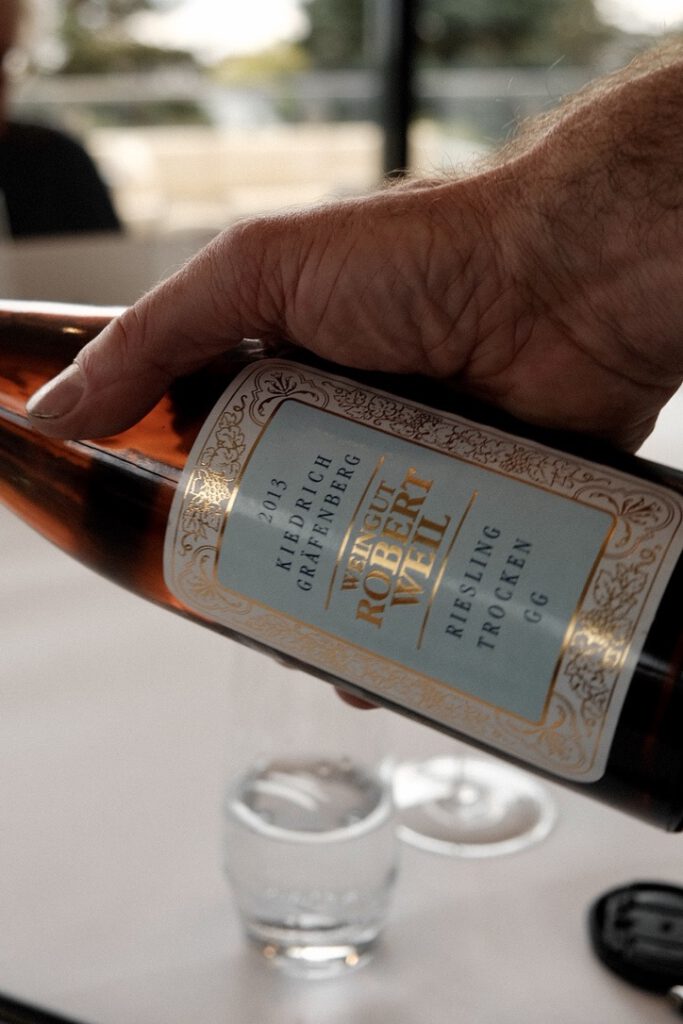
We began with Robert Weil’s Gräfenberg. And right away it was clear why this site, for me, is something like the quiet perfectionist of the Rheingau. Gräfenberg does not try to impress you. It pulls you in. Through finesse, through balance, through polish. It is never the broad-shouldered show-off in the room. More the wine that only fully registers later, and then lingers in your mind all the longer.
What impressed me in this vertical was how remarkably stable the core character remained across the years. Even in warmer vintages, there was always that delicate, finely woven quality, that finesse, that quiet, precise line running through the wine. Great vintages do not make Gräfenberg louder. They make it sharper. That is exactly its strength.
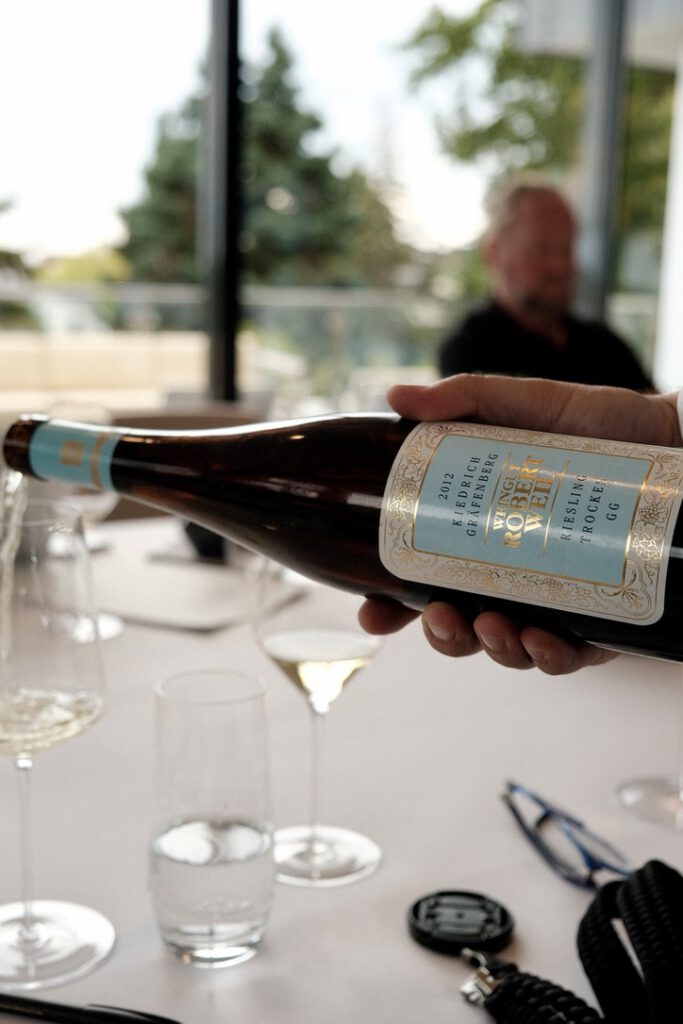
Gräfenberg: my notes
2023 was an immediate statement. Ripe yet fresh exotic fruit, dense, finely creamy, highly concentrated and yet never heavy. The acidity was present but ripe, the fruit lightly sweet in feel without being remotely sweet. That impression came from the extract alone. Then the length, and an almost surprising accessibility. A very charming wine without ever becoming banal.
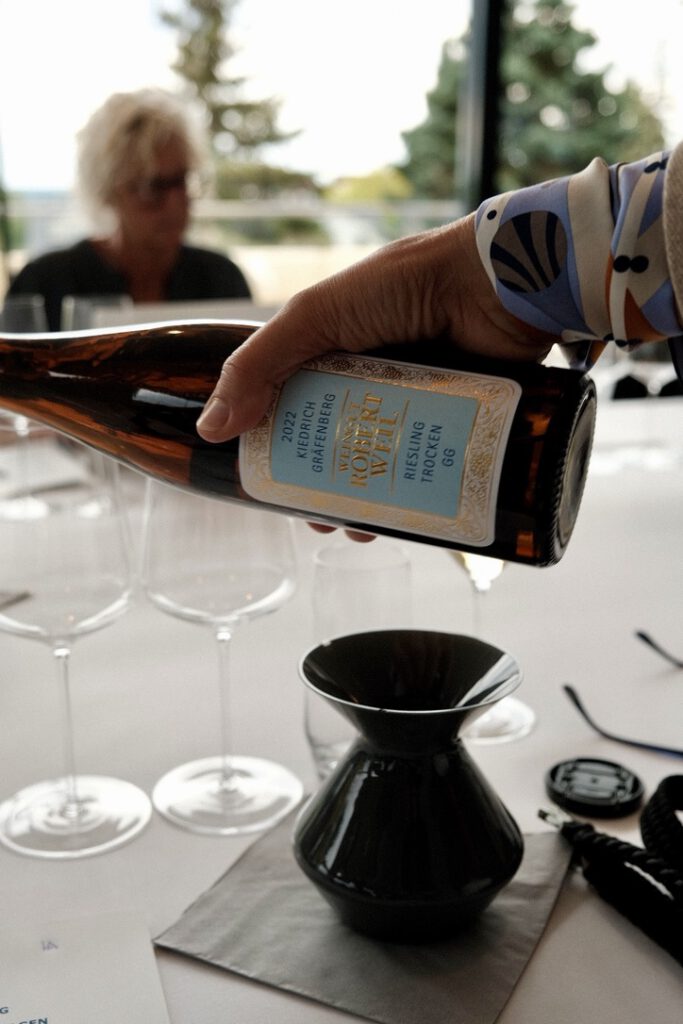
2022 showed quite clearly what this hot, dry vintage often did in the Rheingau. Crumbly stone fruit, hay, wild herbs, slightly pointed acidity, a slender body and a distinctly brittle phenolic edge. Not entirely in balance, a little sharp, a little too quickly told. Good to drink now, but for me more a wine for the near future than the long haul.
2021 was the opposite: cool, immensely dense, very closed, almost entirely self-contained. A hint of pale flowers, then rock dust, crushed stone, racy acidity, ripe phenolic grip, bell-clear. At the moment, hardly accessible at all, but brutally strong in its precision. A wine that needs time. Not a little time. Real time.
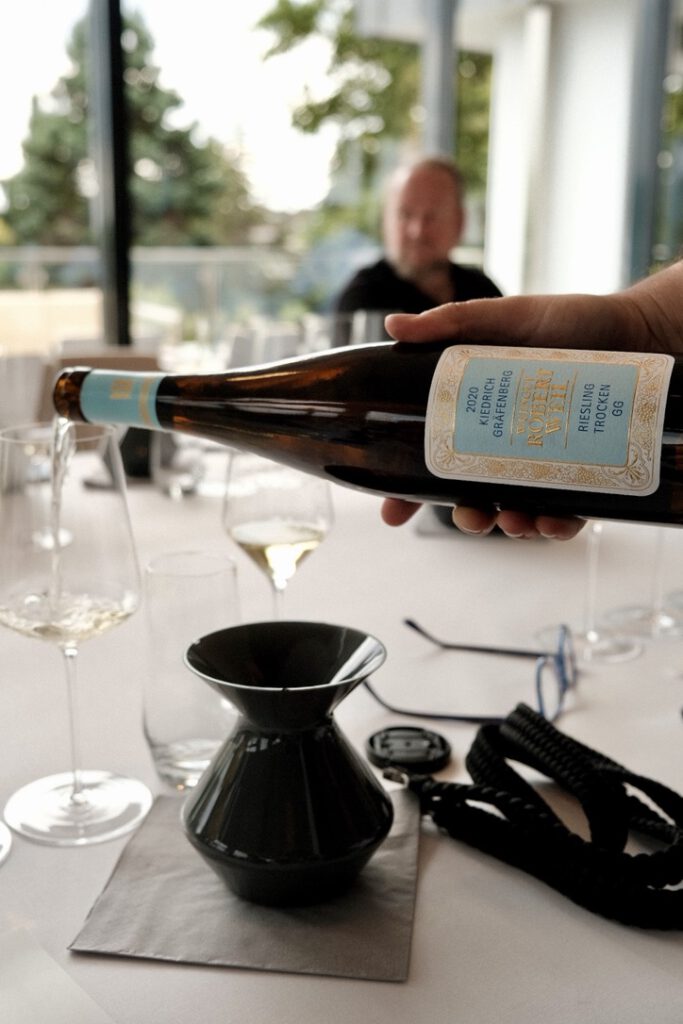
2020 felt ripe, stony, juicy, with a firm core, though still slightly unresolved on the finish. A hint of green on the palate, good ripe acidity, a lovely animating finish. With air it became clearly better. For me, a wine that is only just beginning to sort itself out.
I liked 2019 very much. Yellow fruit, a faint iodine note, a touch of herbs, clear precise juiciness, a dancing structure, pressure without breadth. Already entering an early phase of maturity, but still a long way from its destination. A very fine Gräfenberg with drive and a real future.
2018 was surprisingly fine. Crumbly apple, apple skin, yet still cool in feel, linear, lightly creamy, balanced, though lacking that final bit of pressure. Very good to drink now, but not, for me, one of the truly great vintages for this site.
Then 2017 was properly strong again. Highly refined, elegant, demanding, with ripe yet fresh stone fruit, herbs, a touch of iodine, tremendous density and racy acidity. Not a beginner’s wine. Which is exactly why it is so compelling. It had edge, tension, and a great deal of life still ahead of it.
2016 showed itself riper, smoother, creamier, with yellow stone fruit, apple, a little Werther’s Original, a hint of caramel, a touch of liquorice. Very good to drink, lovely flow, good length, now in a generous drinking window.
2015 was one of the highlights of the tasting for me. Herbs, fennel, fresh stone fruit, taut, firm, dense, with gripping, lively acidity, enormous energy, and a finish that was simply great. Mature Riesling that does not drift into softness. That is the kind of thing you can — and should — love.
2014 was similarly fresh and incisive, just built a little lighter. Slim, nervy, balanced, with good length and lovely freshness. Very coherent, even if it lacked the final force and density of the 2015.
2013 was clearly more mature, with yellow stone fruit, juice, high acidity, a touch of iodine, denser but extremely precise in structure. A very good drinking window.
2012, finally, was more easygoing, smoother, riper in fruit, with a little caramel and good balance. Lovely to drink, a good food wine, but not quite at the very top.
If I had to reduce the vertical to one point, it would be this: Gräfenberg was the most consistent site of the day for me. The great vintages here were 2023, 2019, 2017, and 2015. Outstanding as well were 2021, 2020, 2014, and 2013. Even the weaker years never fully fell apart. Over twelve vintages, that is no small feat.
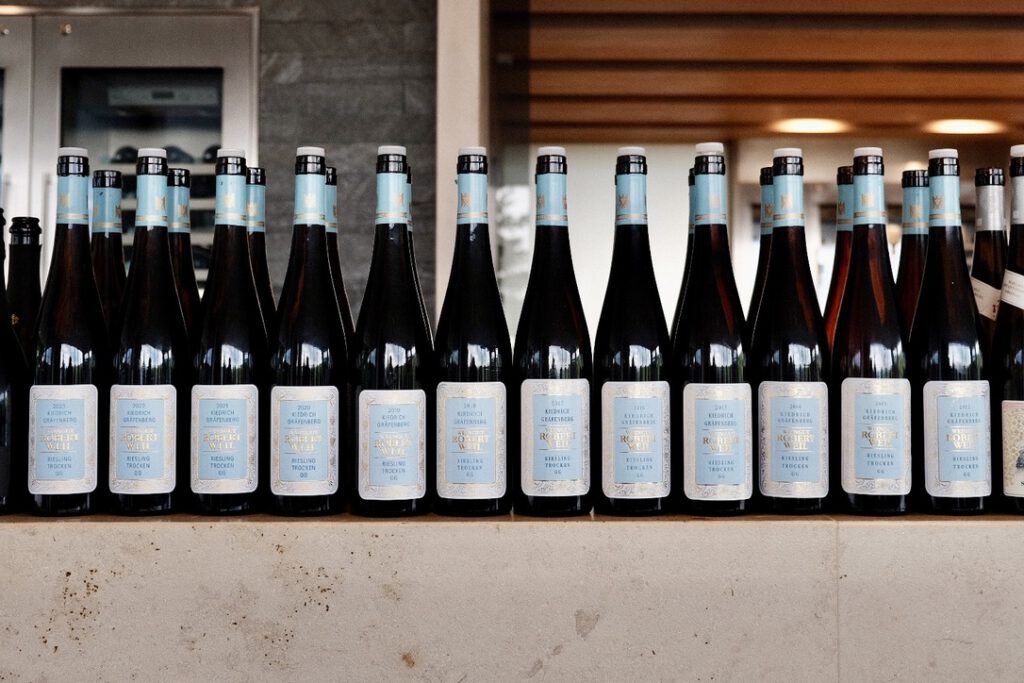
Schloss Johannisberg: more variation, more character
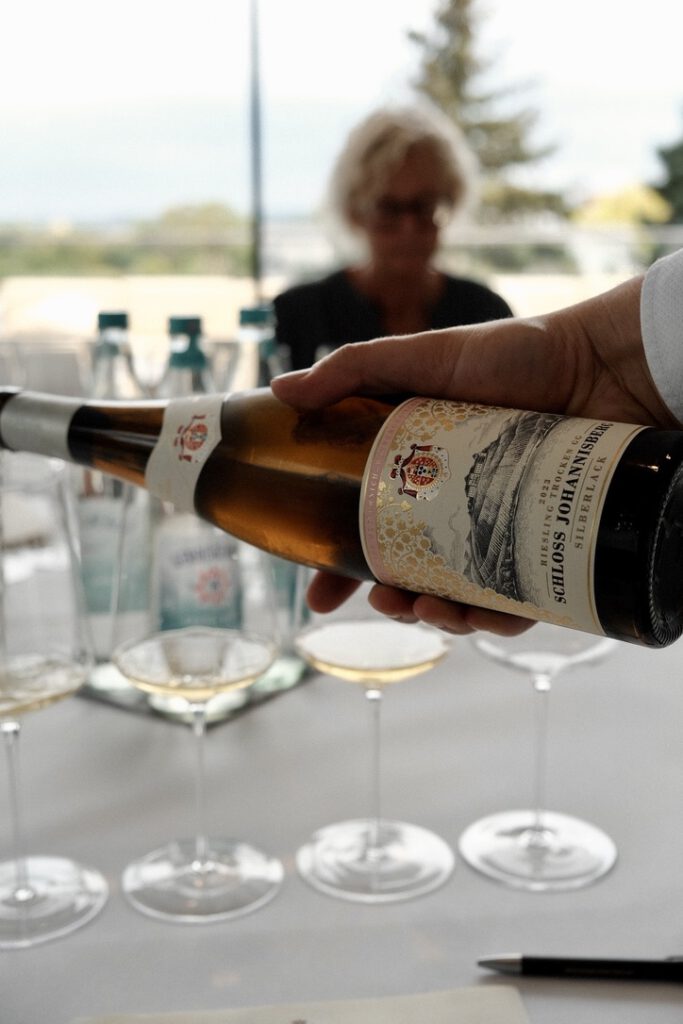
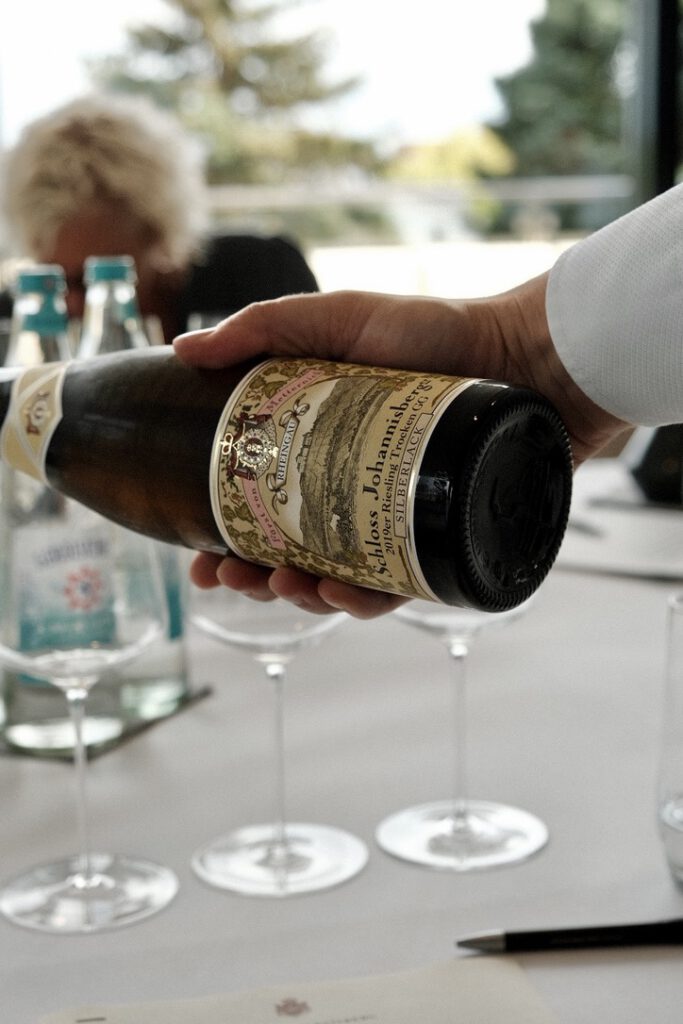
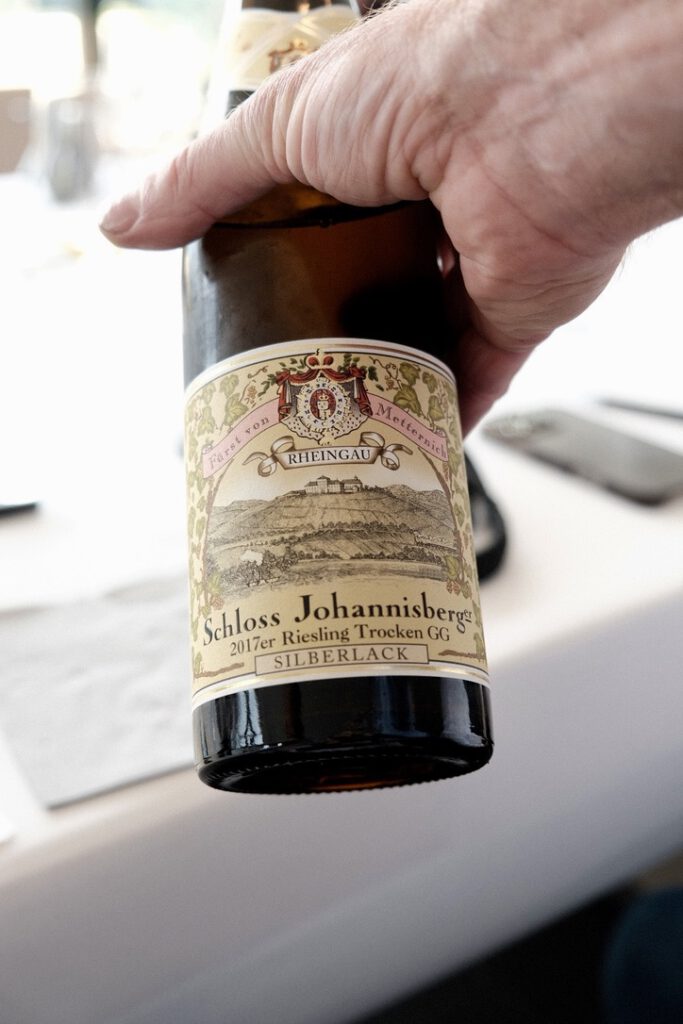
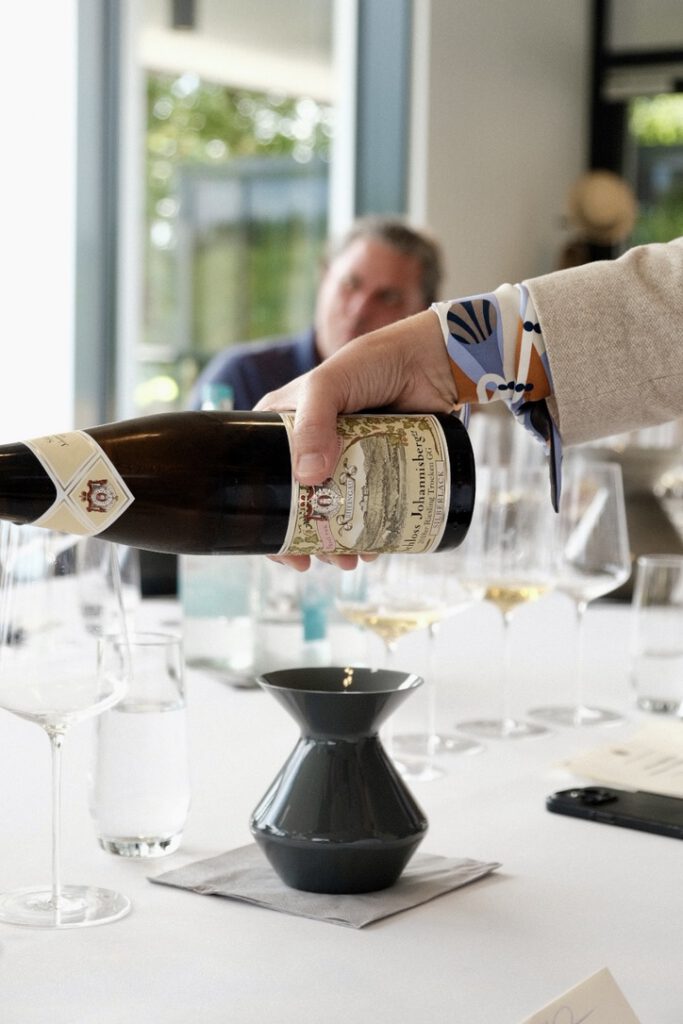
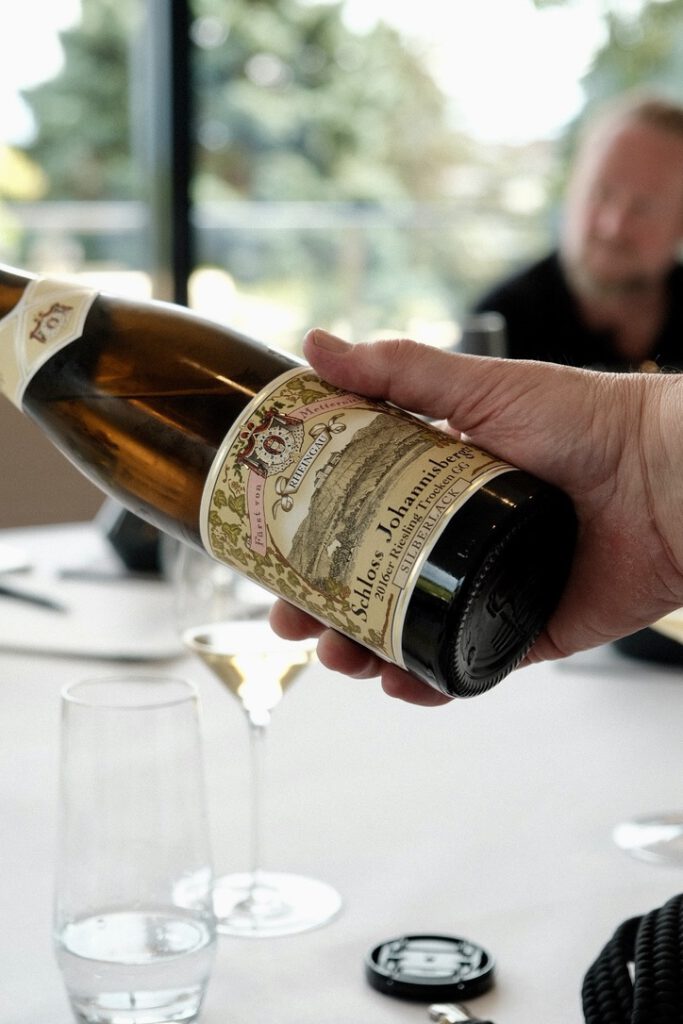
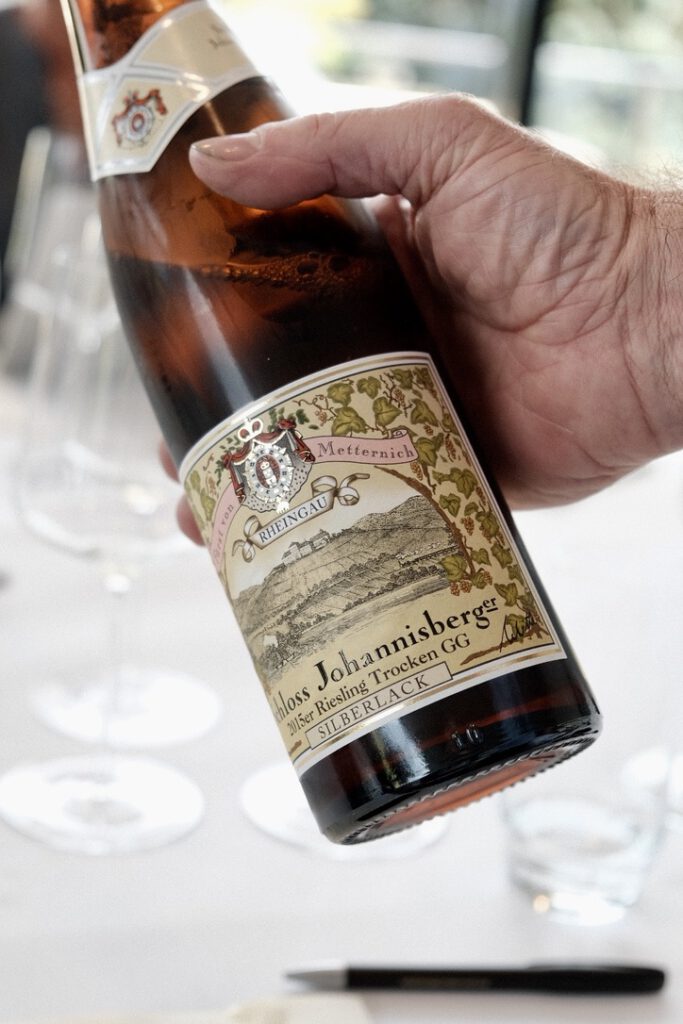
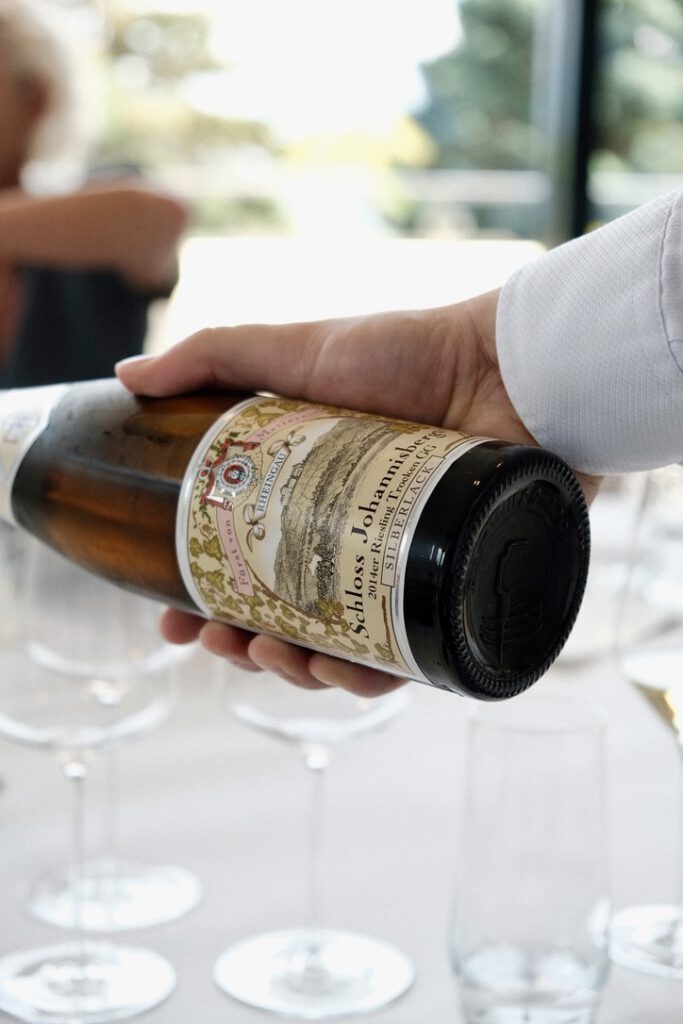
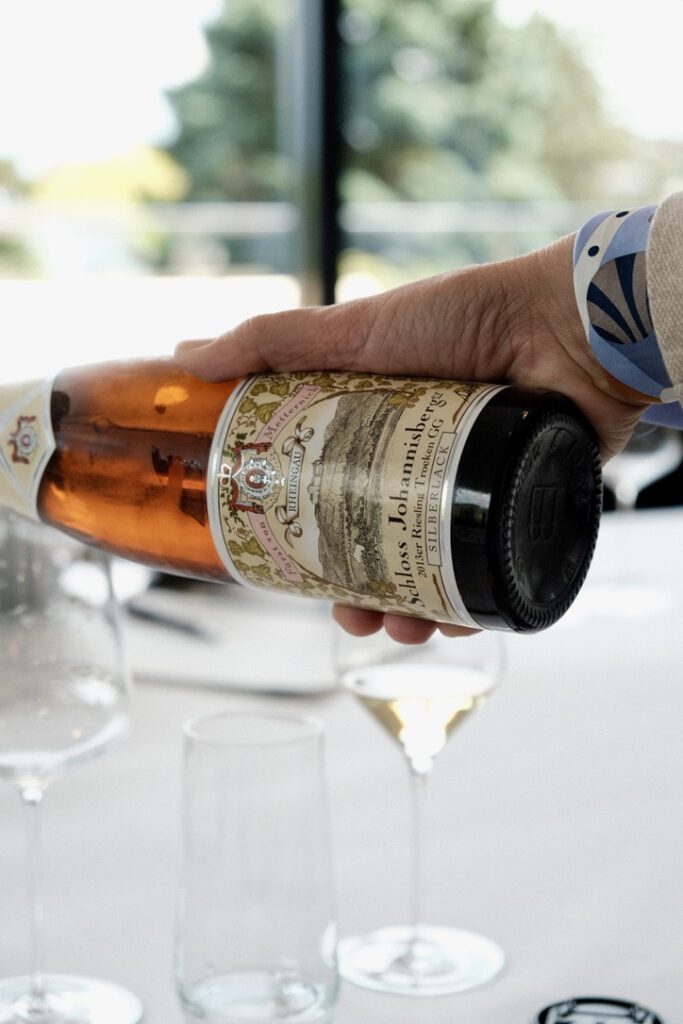
Next came Schloss Johannisberg. And with it, a completely different tone. Not in terms of quality, but in temperament. Where Gräfenberg tends to whisper, Schloss Johannisberg has more material, more texture, more fullness. Not clumsy, but certainly more baroque. Fermented and raised in Stückfass, with a small portion in barrique, and from 2016 onward, under Stefan Doktor, you can clearly sense a phase in which more depth, length, and tension were consciously pursued.
In this tasting, Schloss Johannisberg came across as a wine of character. When everything aligns, it can be magnificent. When it does not, it can tip into something creamier, cosier, even slightly kitschy more quickly than Gräfenberg. That is exactly what makes both the site and the estate so interesting to me. But at times also a little unpredictable.
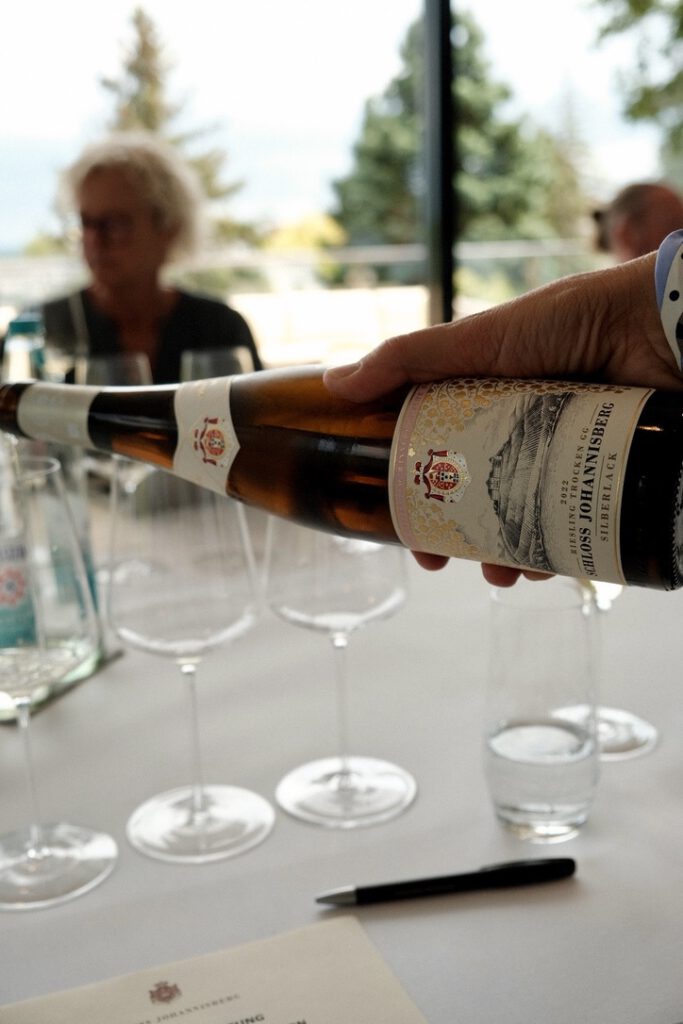
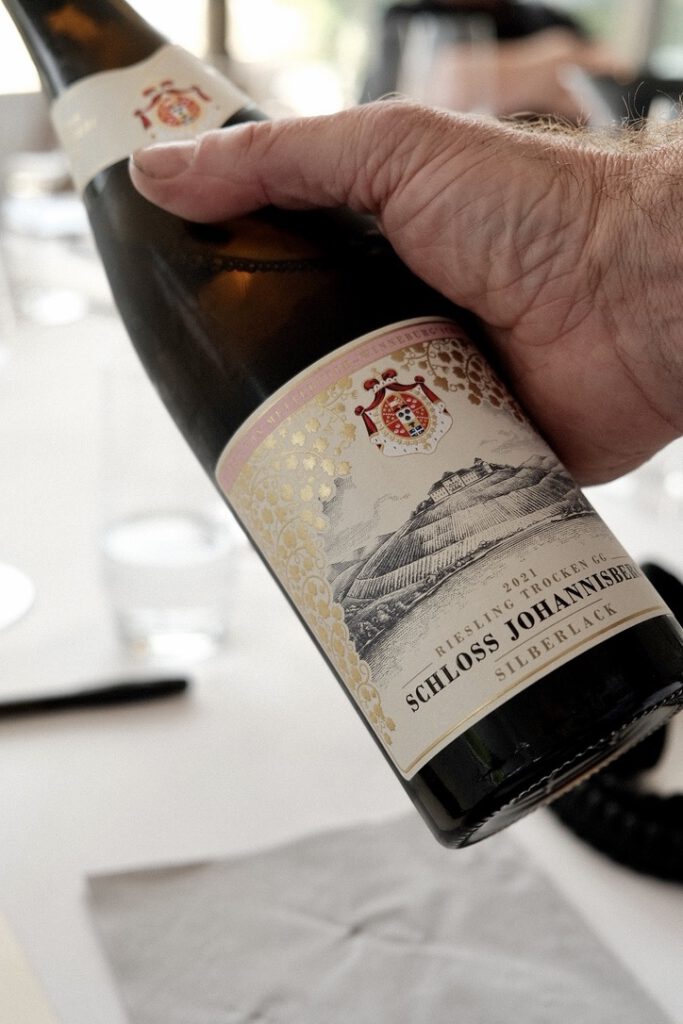
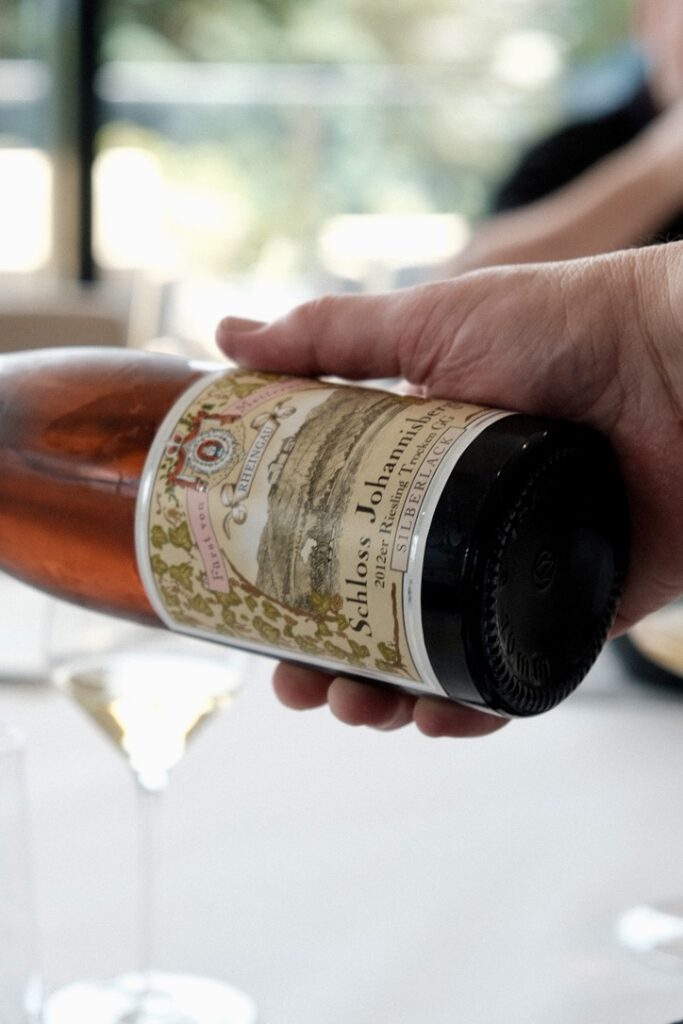
Johannisberg Castle: my notes
2023 was a very beautiful opening. Lightly sweet exotic fruit, briefly flirting with kitsch, then wonderfully juicy, with clearly ripe fruit, present, ripe acidity, and very good length. Already full of charm, but definitely with potential.
2022 again showed the stamp of the heat rather clearly. Crumbly stone fruit, hay, pointed acidity, a light body, drying phenolics, not fully in balance. Drinkable, but not a wine I would lay down for long.
2021 showed itself cool, herbal, quiet, dense but difficult to grasp. A little riper in feel than the 2021 Gräfenberg, but just as aloof. Long, precise, cool-drawn. Today, more promise than pleasure. But it could one day become very great.
2020 was ripe, creamy, dense, with preserved peach and good length, though without the final nerve. Solid to very good, just not a wine I would want to leave in the cellar forever.
2019 was properly good again. Dense, melting, briefly with a hint of kitsch in the fruit, but then immediately structure. Gripping acidity, dancing energy, and with air it became noticeably more serious and more focused. Very fine potential.
2018 was creamy, very ripe in fruit, charming, but I missed pressure and tension. Not my vintage.
2017, by contrast, was cool, demanding, precise, with a firm core, clear acidity, and terrific length. Still nowhere near open. It genuinely needs time.
2016 showed ripeness, creaminess, a little caramel, but also freshness, a hint of fennel, and a gripping acidity. Very good to drink right now.
2015 was more difficult for me: mandarin, canned peach, salted caramel, initially a little awkward, better with air, but overall not really my style.
2014 I liked reasonably well, with ripe stone fruit, good freshness, lively acidity, though lacking a final bit of drive on the finish. Drink now.
2013 remained blurry for me that day, somewhere between caramel, herbs, and banana, difficult to pin down.
2012 was ripe, smooth, uncomplicated, decent, but without the necessary tension and substance.
For me, Schloss Johannisberg was at its strongest in 2023, 2021, 2019, and 2017. Outstanding as well were 2020, 2014, and, with some reservations, 2013. What remained was this: the site can be great when tension and texture come together. When they do not, it becomes a little too pleasing, a little too baroque.
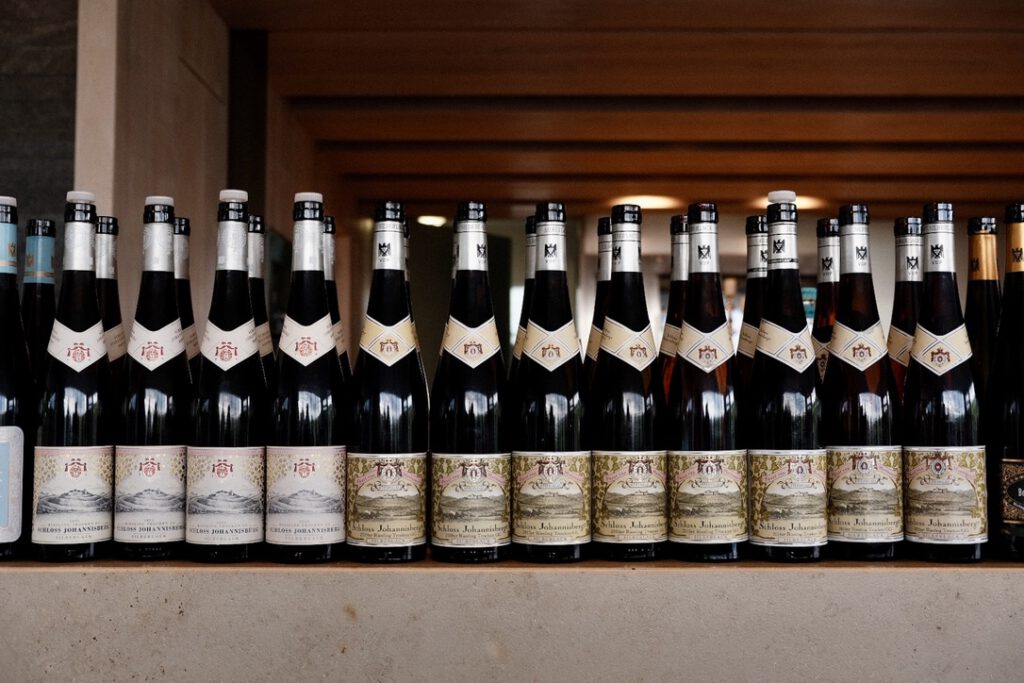
Berg Schlossberg: two stylistic phases, one site
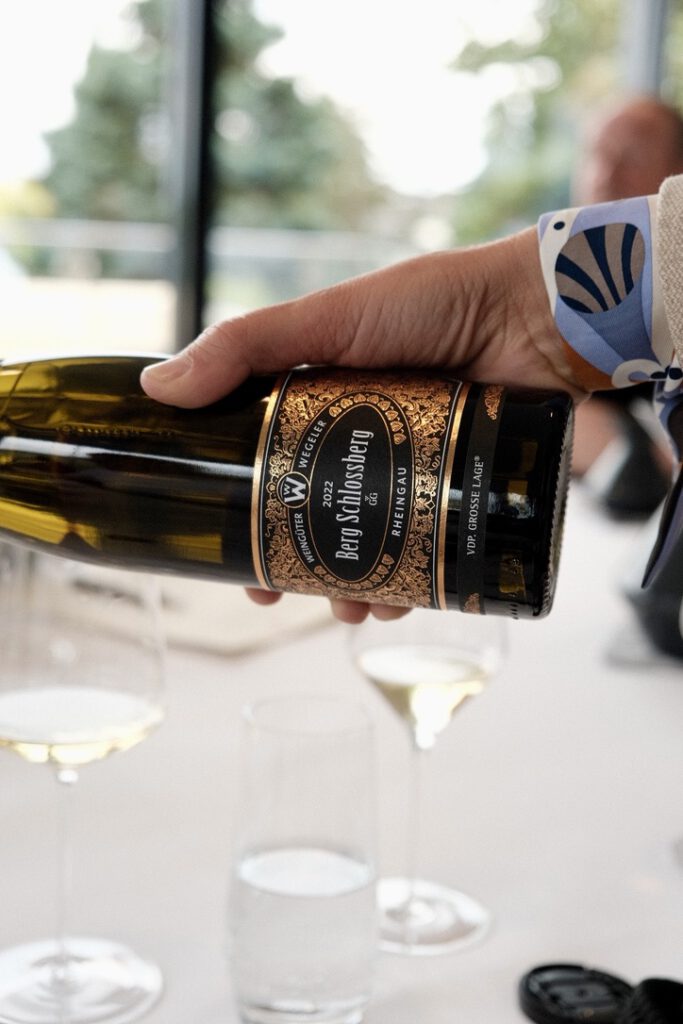
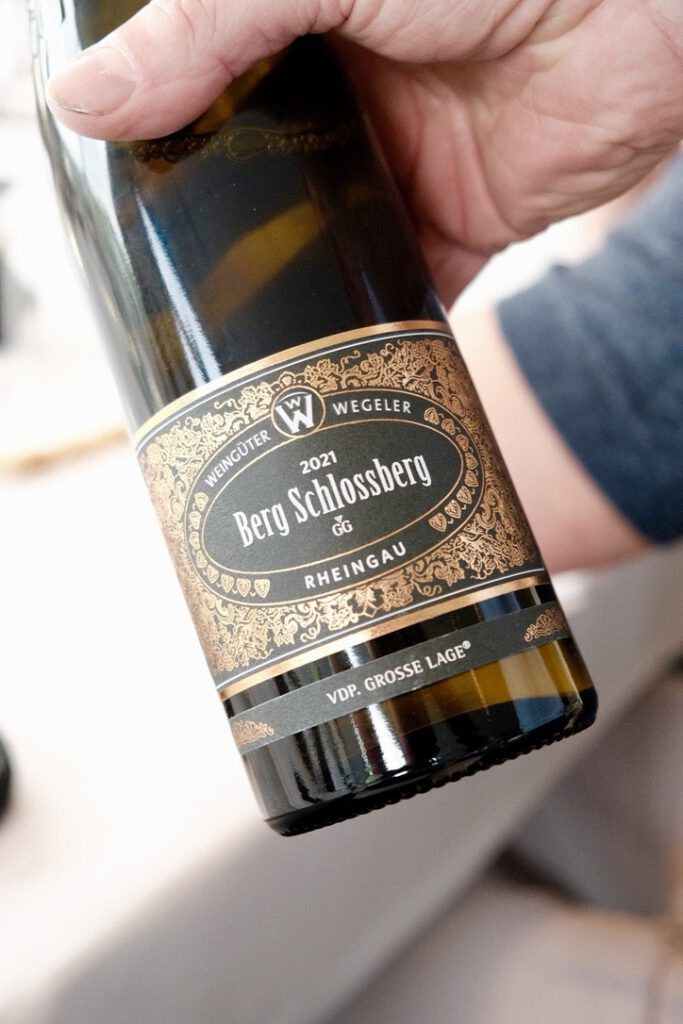
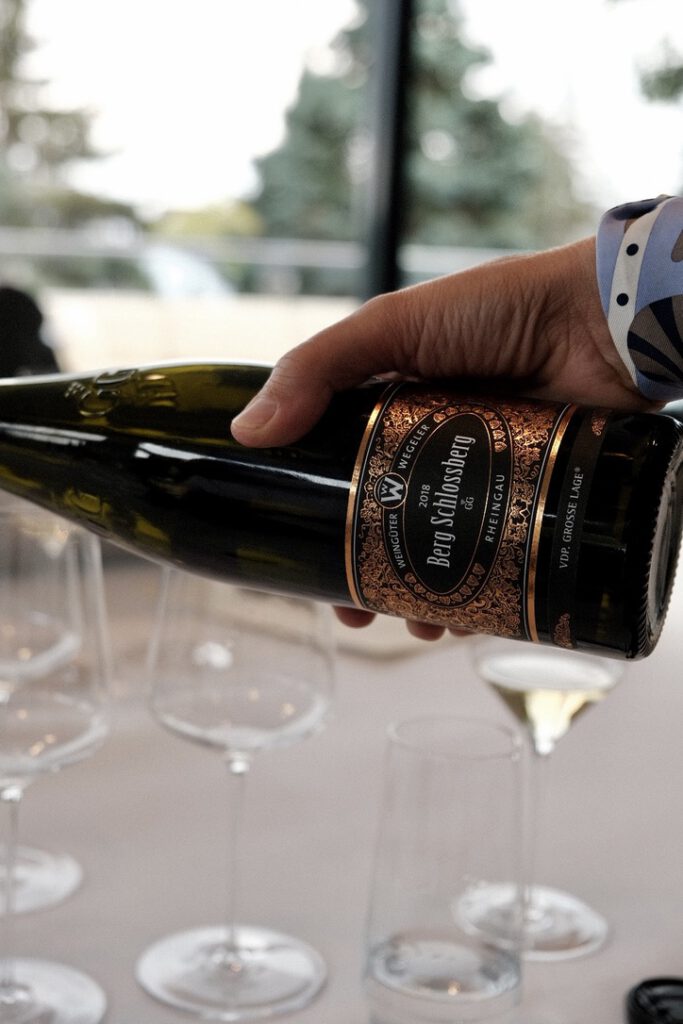
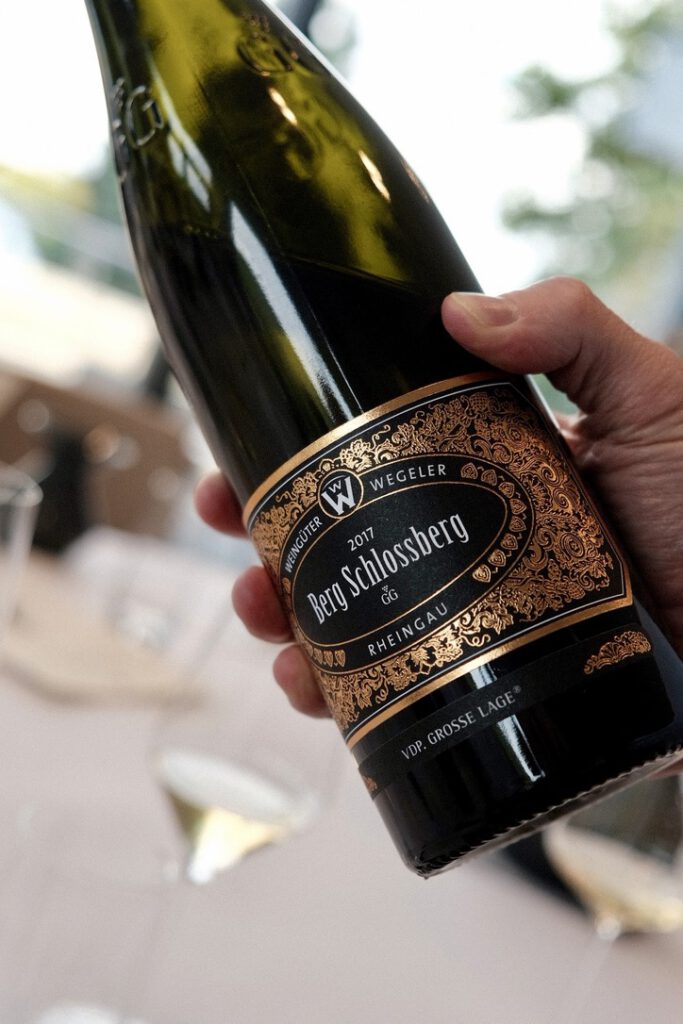
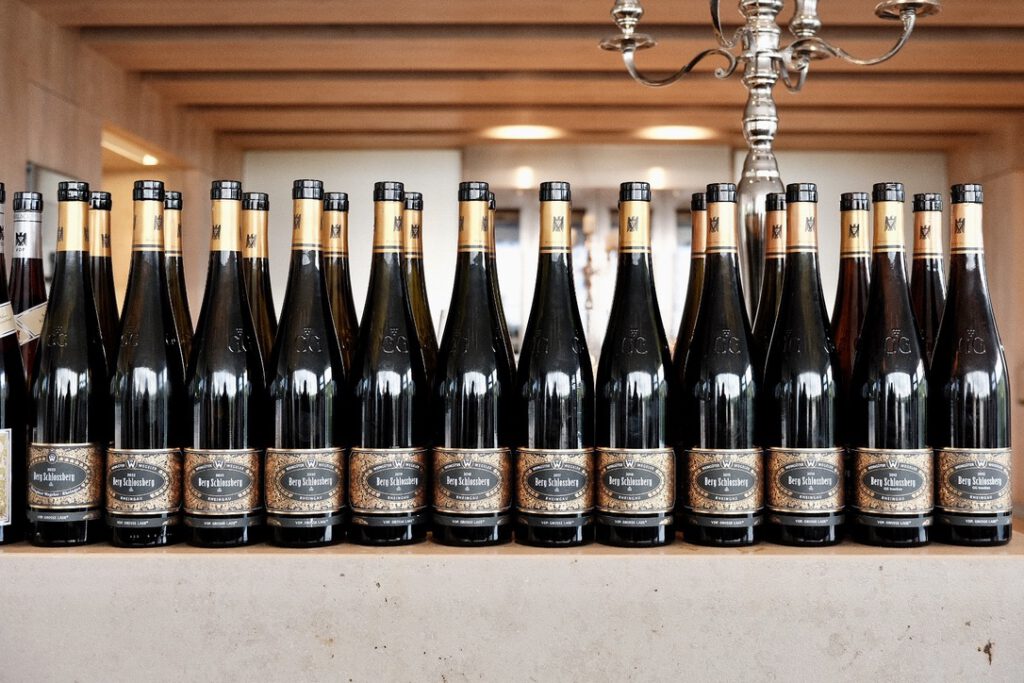
Then came Wegeler. Rüdesheimer Berg Schlossberg. And here things became especially interesting, because in this vertical you were really tasting two chapters of the same book. Up to 2019, the wines felt more classical, riper, more brittle, fuller, with a different phenolic structure. From 2021 onward, they became brighter, clearer, more precise, more vital. That is fascinating, but it also makes comparison more difficult. Because you are not just comparing vintages. You are comparing different stylistic phases as well.
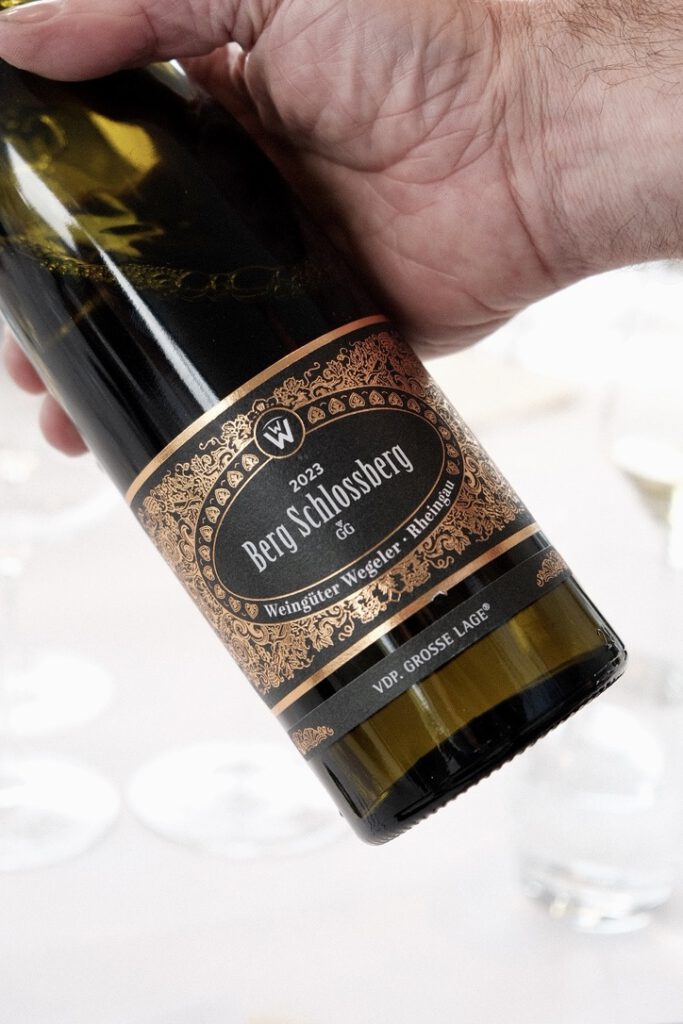
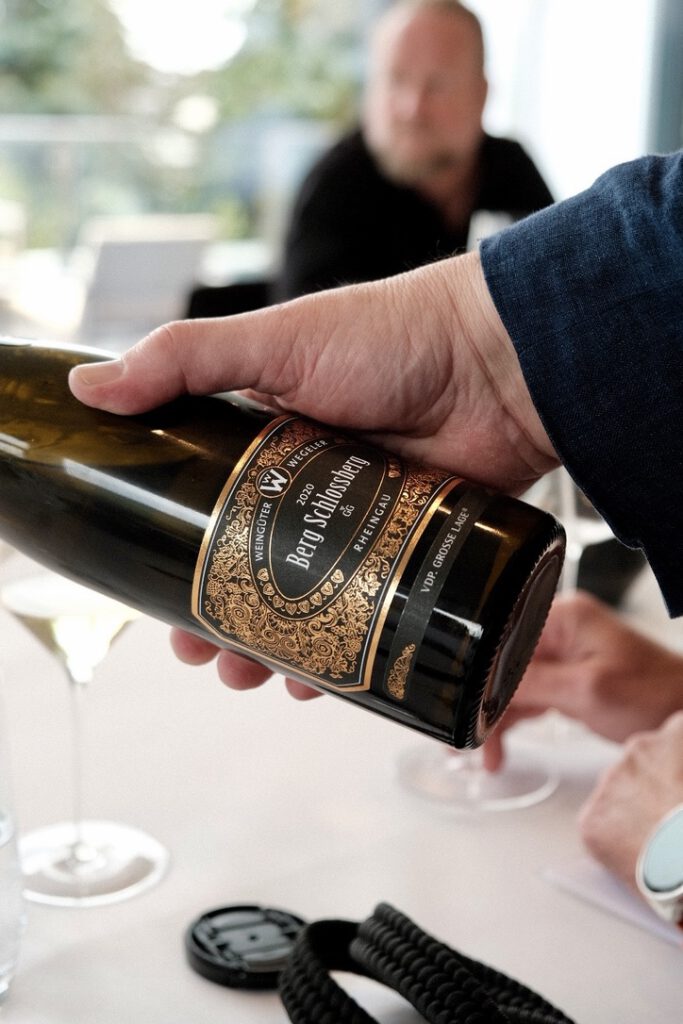
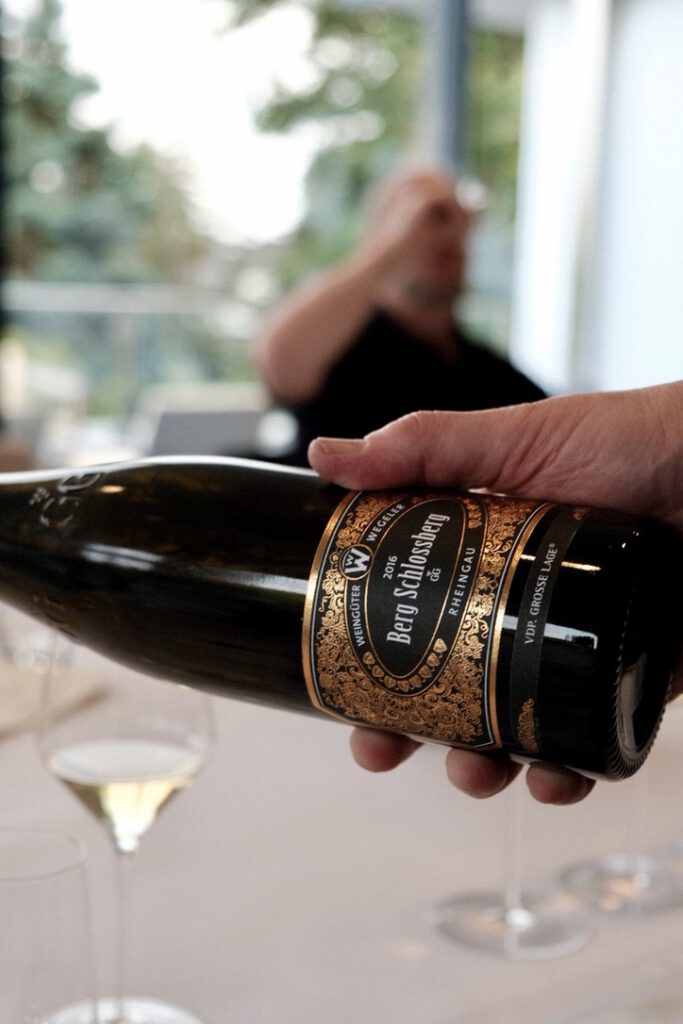
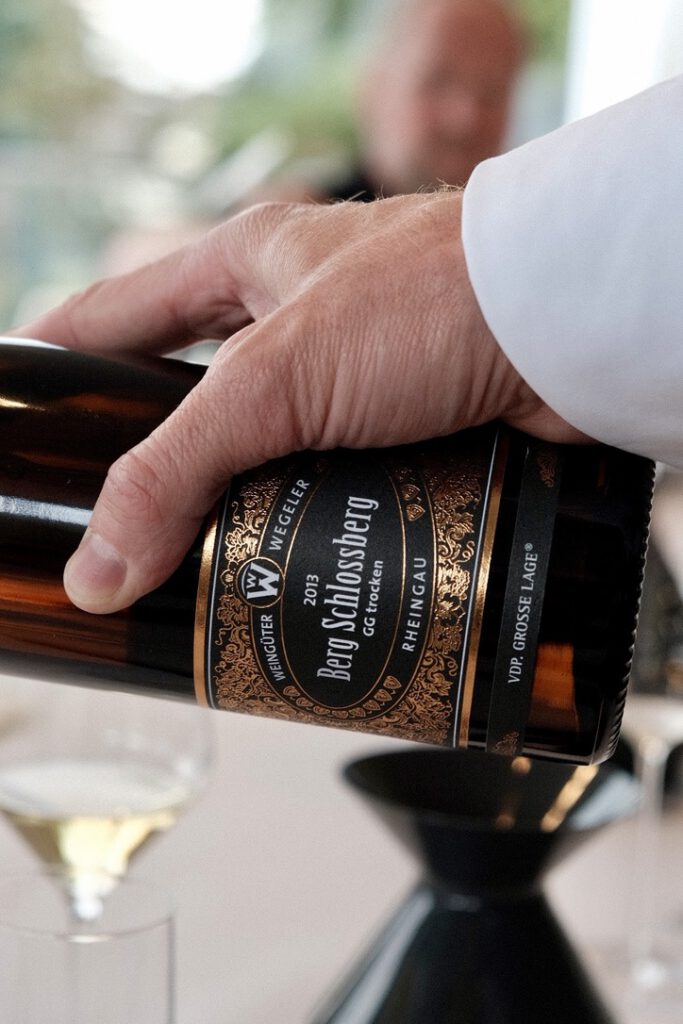
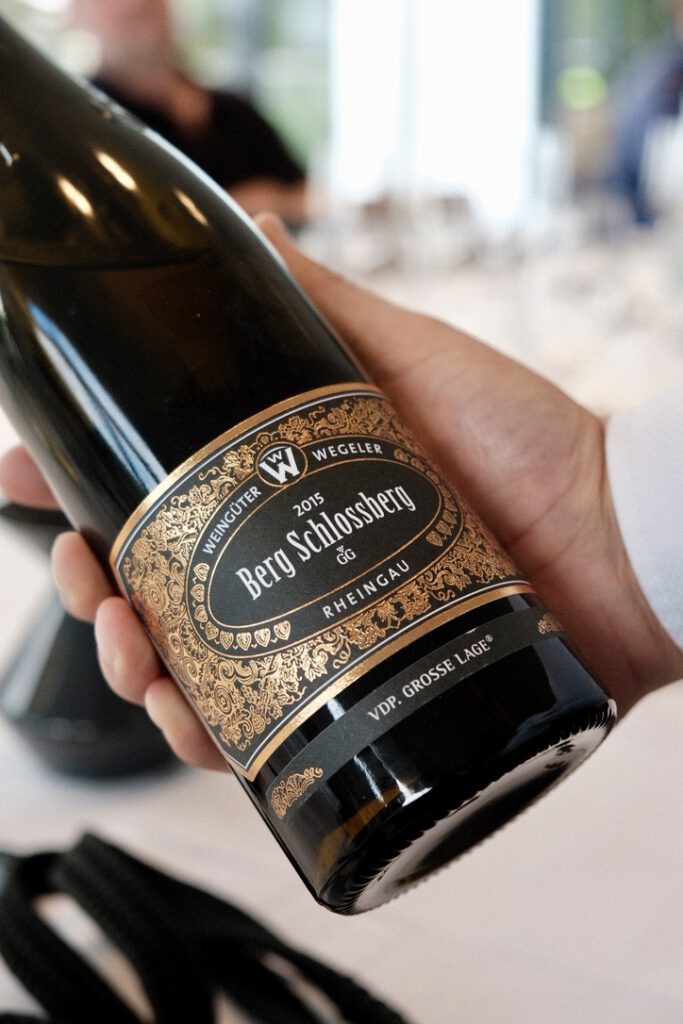
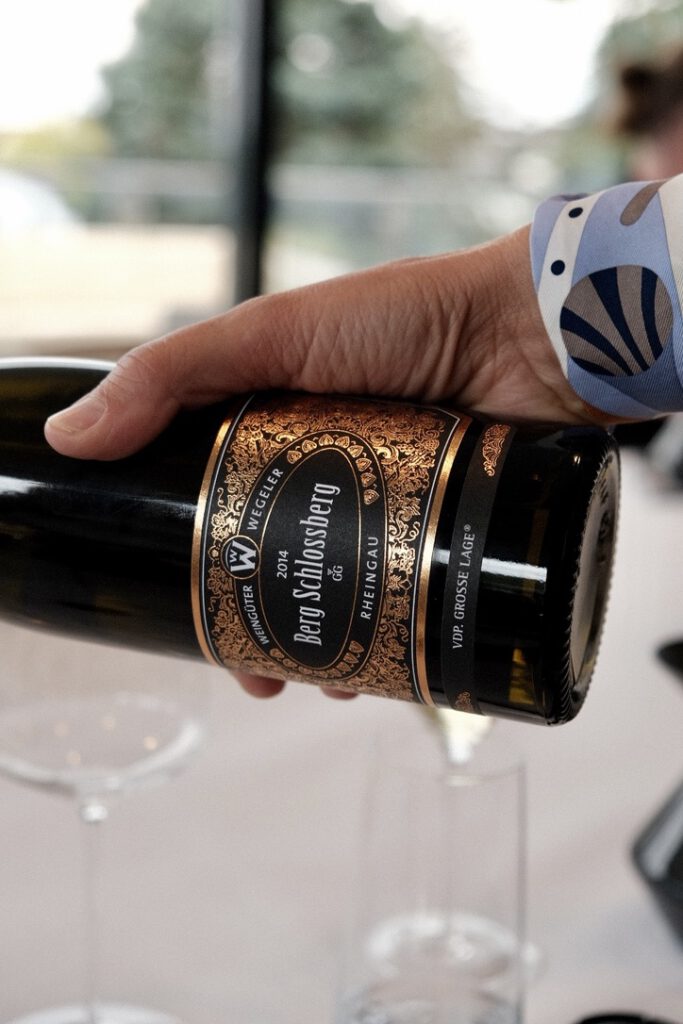
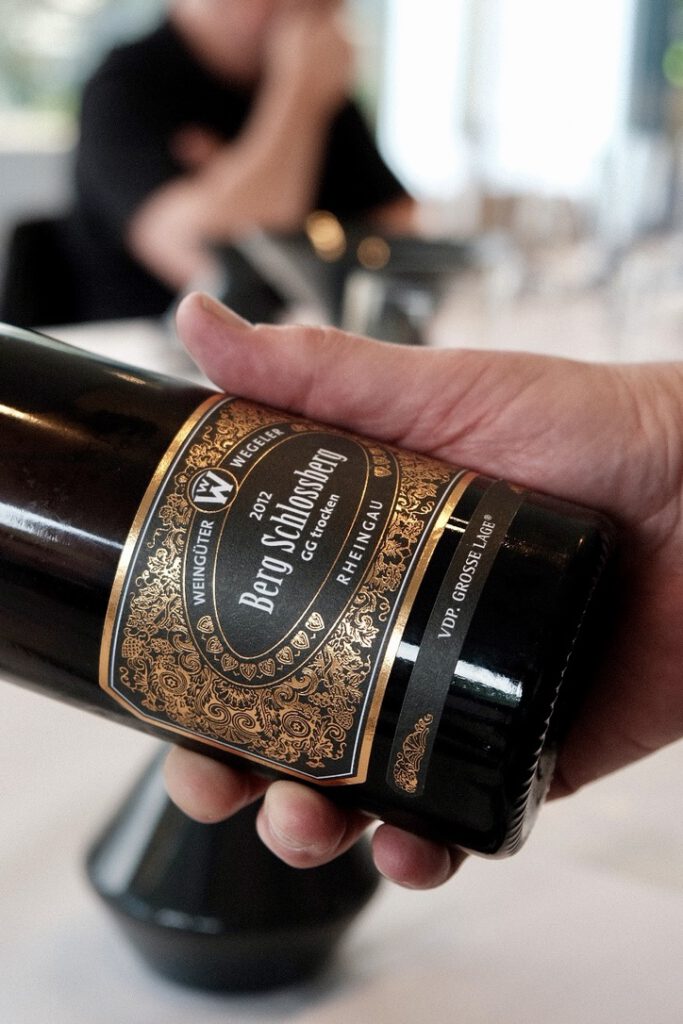
Schlossberg mountain: my notes
2023 showed ripe, fine fruit, not quite as sharply delineated as the other two 2023s, but with lovely creaminess, good phenolic grip, good balance, and good length. A wine with a future.
2022 was again typical of the vintage: mealy apple, apple skin, pointed acidity, missing balance, brittle phenolics. Drinkable now, but not a wine on which I would pin any great hopes for maturity.
2021 was then the modern aha-wine of the tasting. A compelling nose somewhere between Werther’s Original and charming stone fruit, clear malo, lightly creamy, but still fresh. Dense, firm, balanced, with good length and already very enjoyable to drink. This will age beautifully.
2020 had cork.
2019 was a kind of hybrid between ripe and fresh. Cool, a little pineapple, racy acidity, slightly drying phenolics, good density, good length. Already very nice, but still capable of gaining more.
2018 surprised me positively. Lightly sweet fruit, gripping, dense, fresh, unusually taut for 2018. Good phenolic grip, good drinkability, with potential.
2017, then, was simply strong. Ripe stone fruit, delicate creaminess, pressure, energy, present acidity, clear juice, dancing, long, barely evolved. Everything was there. For me, this was the peak of the Wegeler vertical.
2016 felt very ripe, with lots of pineapple, herbs, a creamy flow, later fresher with air, then again slightly brittle. A good food wine, but not my favourite.
2015 was full and powerful, though more precise on the palate than the nose had suggested, juicy, with good phenolic grip and decent balance. Nicely matured.
2014 was cool, juicy, racy, later with a little more fullness and a faintly sweet impression, demanding and certainly still capable of ageing.
2013 was ripe, a little past its zenith, with canned peach, a slim body, and missing pressure on the finish.
2012 was ripe, dense, sweetly opulent, charming, but too inconsequential for me. Drink now. Best with food.
What stays with you after a day like that?
First: 2022 was the litmus test across all three sites. Not catastrophic, but the vintage in which you most quickly see where balance starts to wobble and where a wine is more likely to mature early than turn truly great.
Second: for me, Gräfenberg showed the greatest consistency. That quiet, precise, finely interwoven thread running through twelve years was deeply impressive.
Third: Schloss Johannisberg is a wine of character. When it lands, it lands big. When it does not, it becomes a little too comfortable.
Fourth: with Wegeler’s Berg Schlossberg, even more than with the other two estates, you are currently tasting different stylistic phases side by side. That is exactly what makes the site — and even more so the estate — difficult for me to fully pin down at the moment. As with Schloss Johannisberg, the wines here also came from different stylistic eras.
It is now known that Richard Grosche’s era at Wegeler has come to an end. So there will almost certainly be further movement in cellar strategy. For me, that means it will probably still take time before there is a line-up of Schlossberg GGs that reads the site in one truly continuous voice.
Which bottles I would secure
– Gräfenberg 2021, and 2015
– Schloss Johannisberg 2019
– Wegeler Berg Schlossberg 2017
That is exactly why I love tastings like this. They ground me. They sharpen the view, make judgments more precise, and deepen respect for site, vintage, and style. Maybe that is also why this article took time. Because after afternoons like these, what remains is rarely just an impression. It is a real understanding that first has to settle into place. One that does not come out of theory, but straight from the glass.
Pictures: © The Art of Riesling – Maximilian Kaindl

