
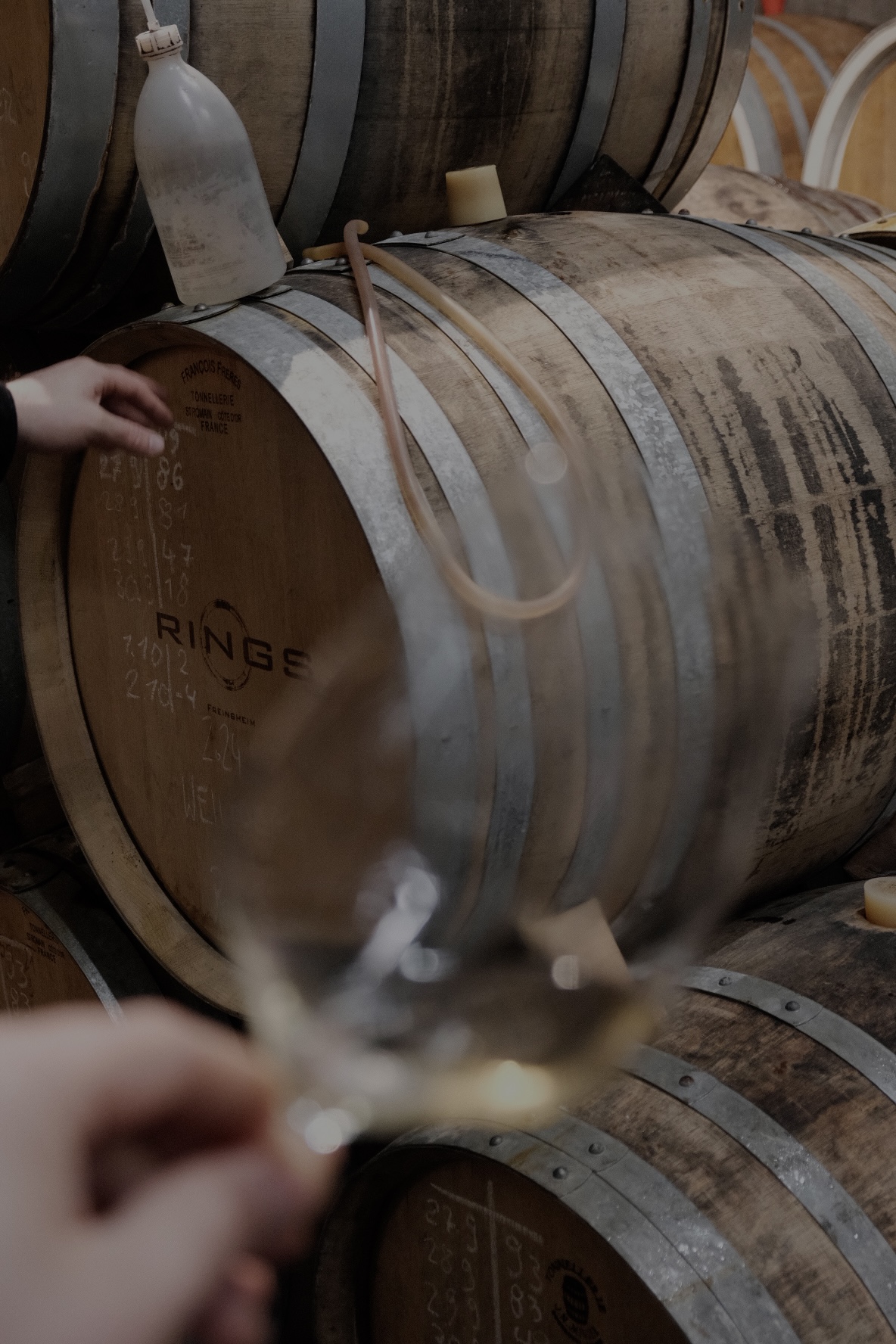
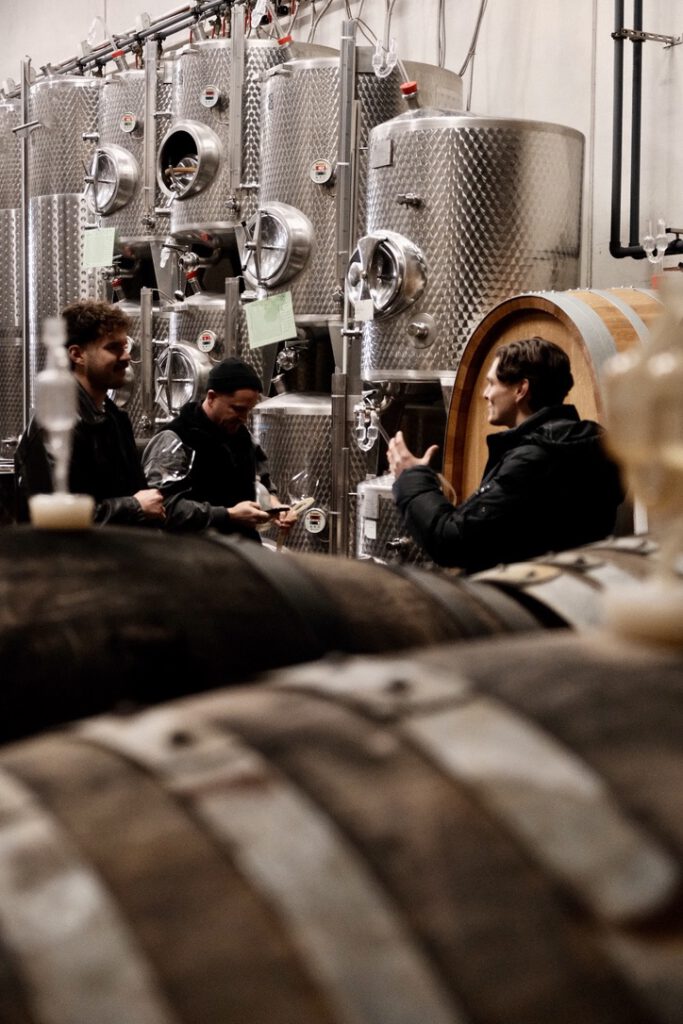
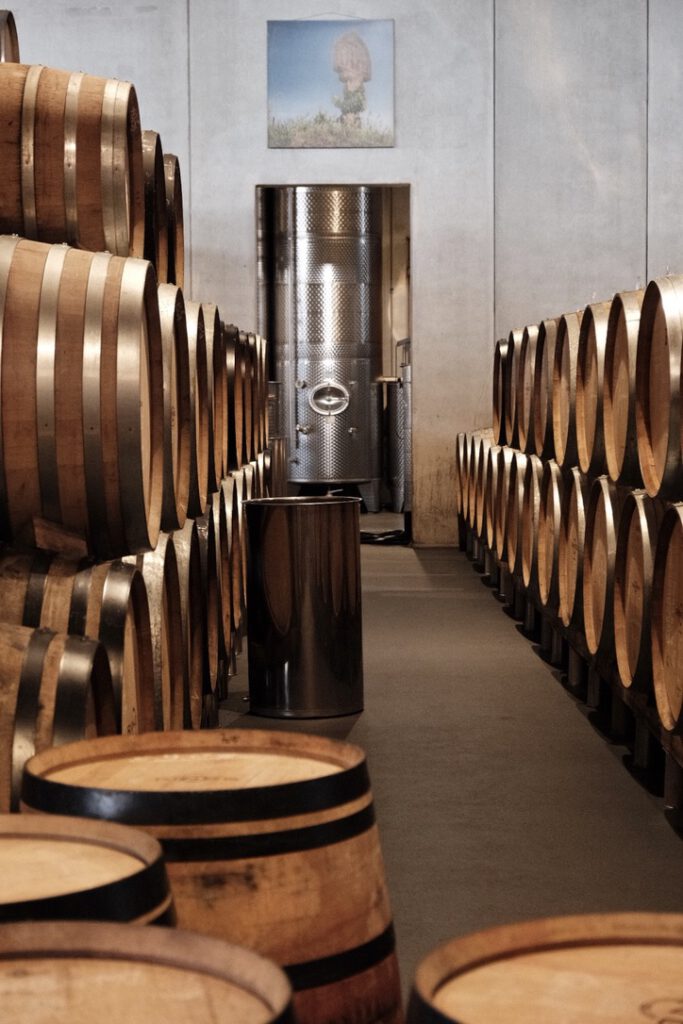
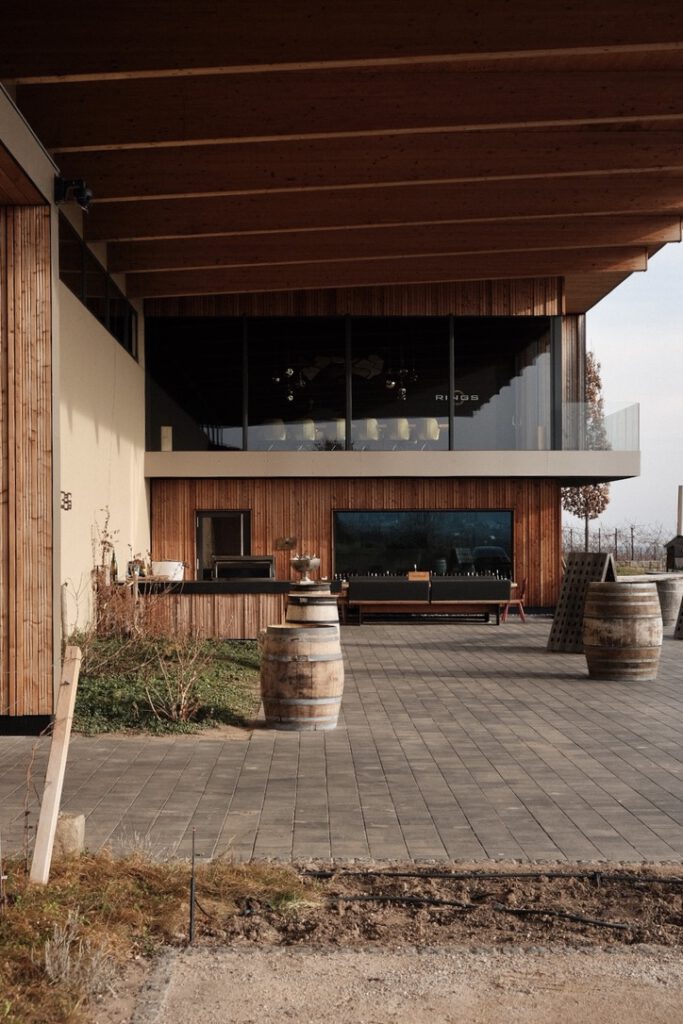
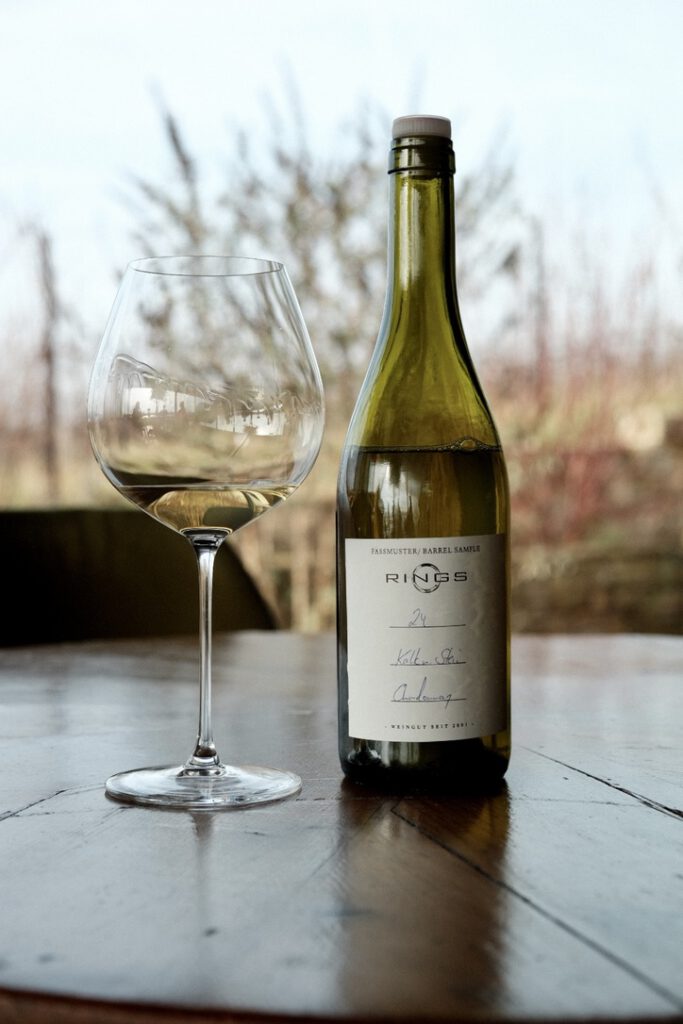
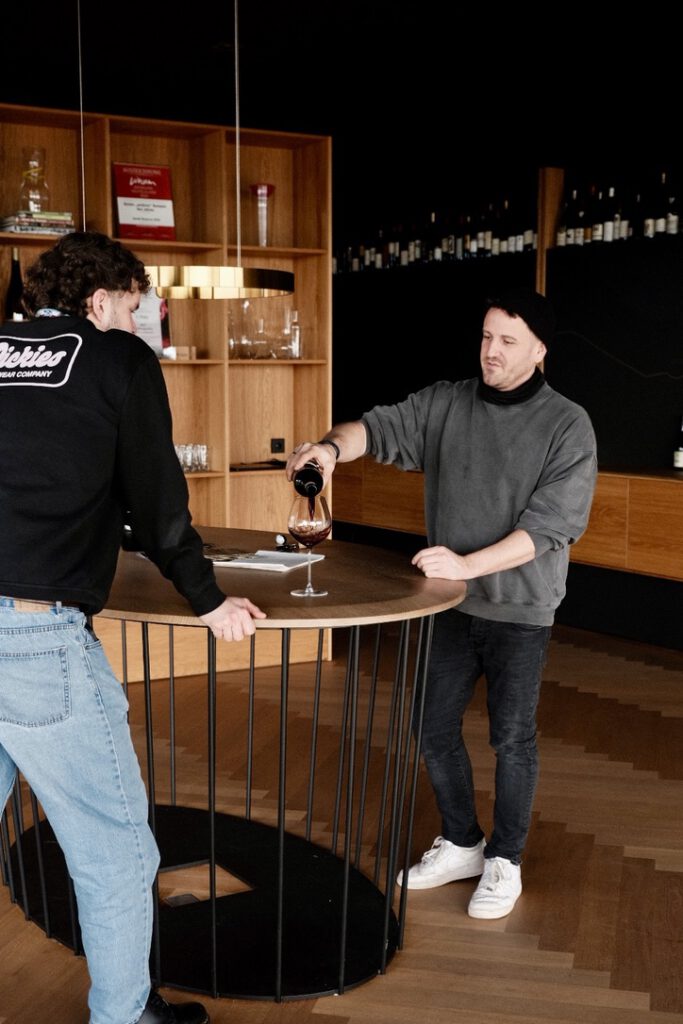
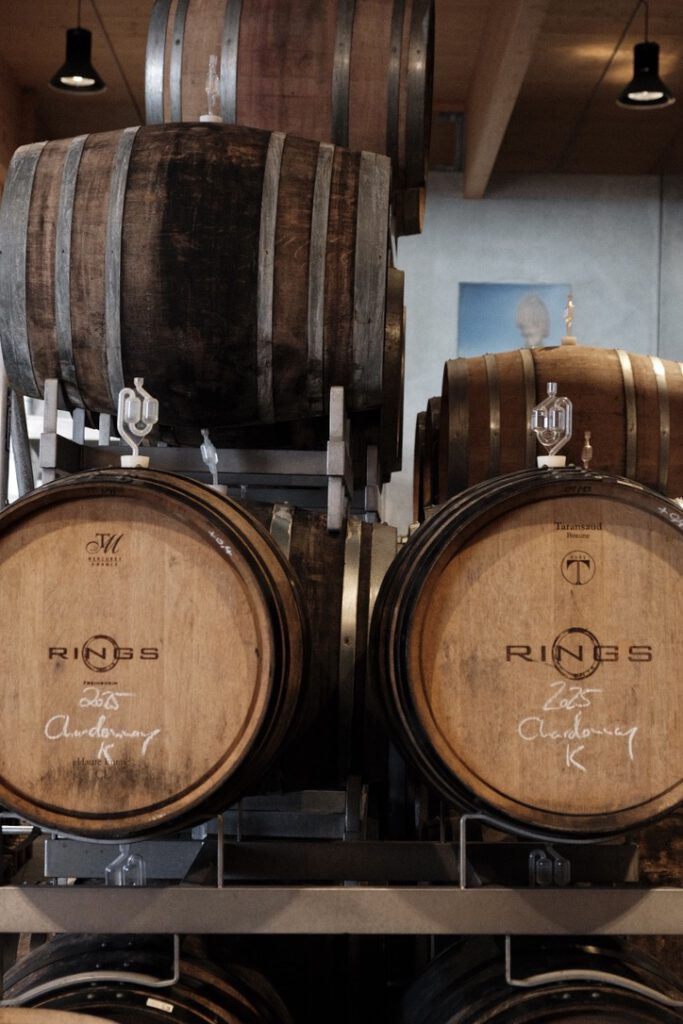
My Palatinate tour this year started at Weingut Rings. Just like it has in recent years. At some point it became almost a ritual: January, cellar, barrels, conversations. No release hype, no finished answers. Just wines in the making. This time, the focus was clearly on the 2025 Rieslings. Extremely young, extremely raw, extremely unfinished. And that is exactly why they fascinated me. After the in depth barrel tasting, we moved on to freshly assembled cuvées of the two Chardonnays, Kalk & Stein and Vieilles Vignes, from 2024, followed by Pinot Noir (Spätburgunder), from estate wine up to site level, also 2024. A long, intense morning. And one that reminded me, very clearly, why I value these early visits in the year so much.
Max Kaindl, January 25, 2025
Reading time about 5 minutes
Why tasting unfinished wines reveals more about people than about wine

Why barrel samples can rarely be judged fairly
The question is obvious: what are the 2025 Rieslings like at Rings?
The honest answer: that question does not go far enough.
We tend to classify wines way too early. To judge them. To label them. But barrel tastings are exactly that: snapshots. Raw material. Anyone building predictions from them is making it too easy for themselves, and will very quickly, and very carelessly, get it wrong. To me, it is a bit like watching a six year old who has just started school for ten minutes and then trying to predict what job they will do one day. Sounds absurd? It is. The flaw in the thinking is obvious. And yet we do this with wine all the time.
That is why, this time, I am deliberately not giving detailed tasting notes on the 2025s. Not because there is nothing to say. Quite the opposite. But because it would be the wrong moment. What was far more interesting to me again was the question: who am I actually standing here in the cellar with?
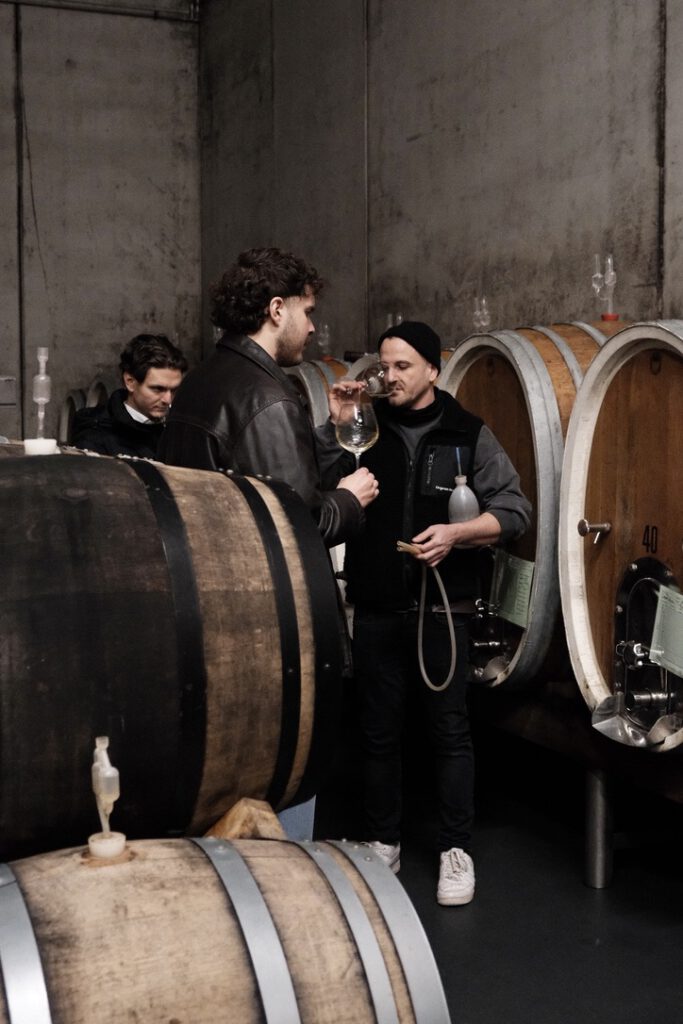


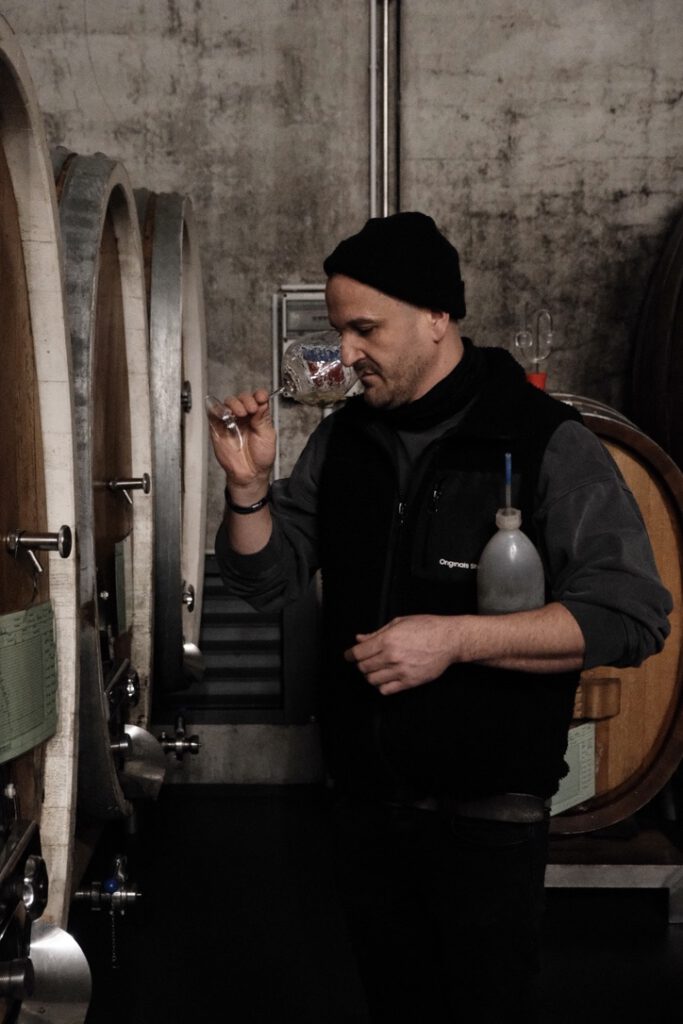

Andy Rings: thinking in structure, not effects
I know very few people in the German wine scene who can understand wine on a technical level the way Andy Rings can. A wine gets taken apart, analysed, understood, then reassembled with the right tools. Vineyard work, picking date, pressing, vessel, élevage. Everything connects. Nothing is random, nothing is done for its own sake. And yes, at Rings, everything is always vinified together with his brother Steffen. Even though I have mostly tasted with Andy so far, it is clear these wines are the result of a shared way of thinking.
I have learned a lot during my visits here. Every year, I take fresh thoughts home with me. Last year, my own understanding of Riesling élevage was basically reorganised from scratch. If that interests you, I recommend my article from back then. It explains a lot of what is happening at Rings today.




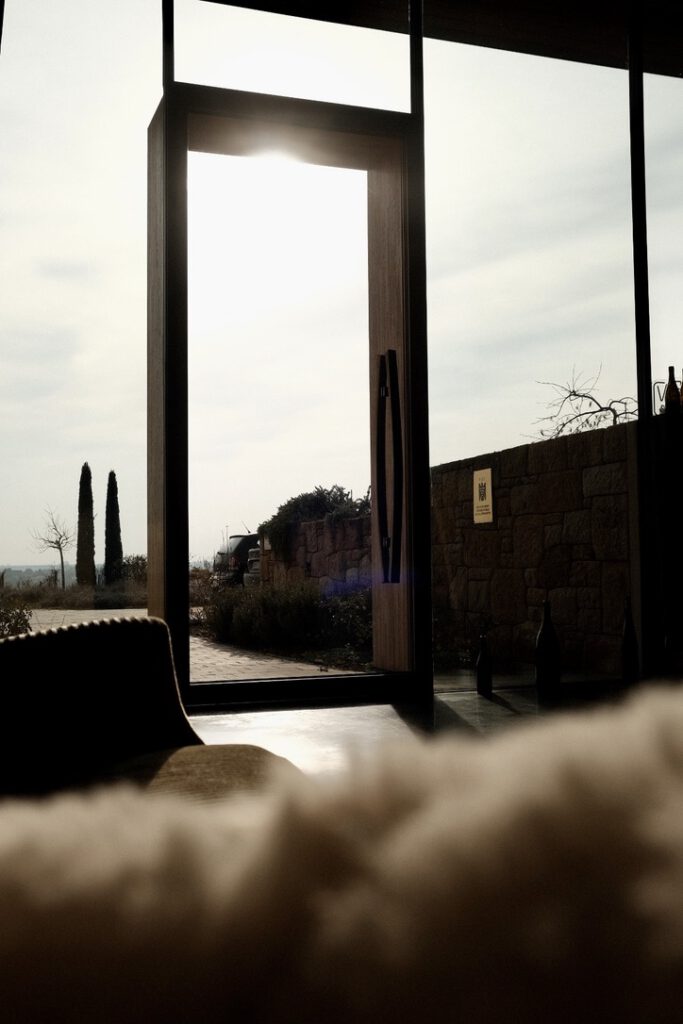
World class fine tuning
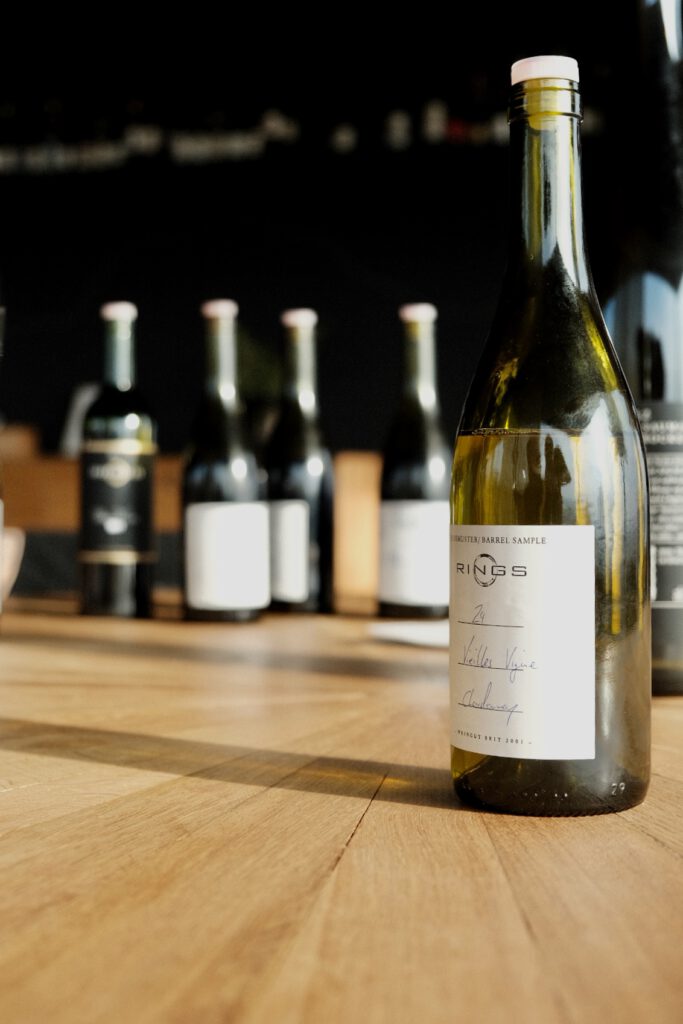
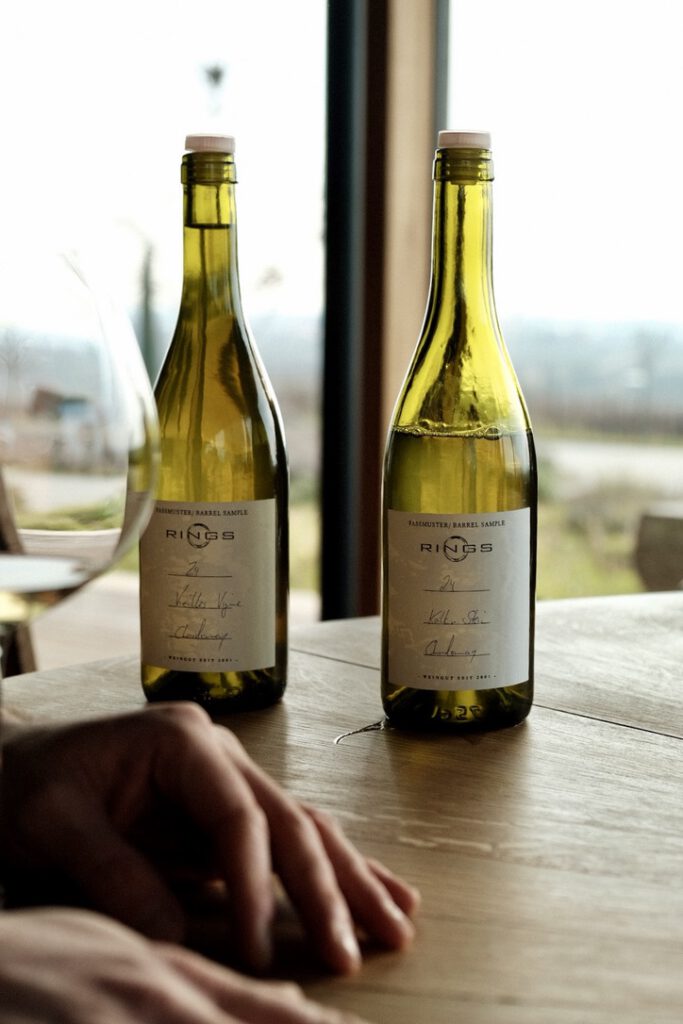
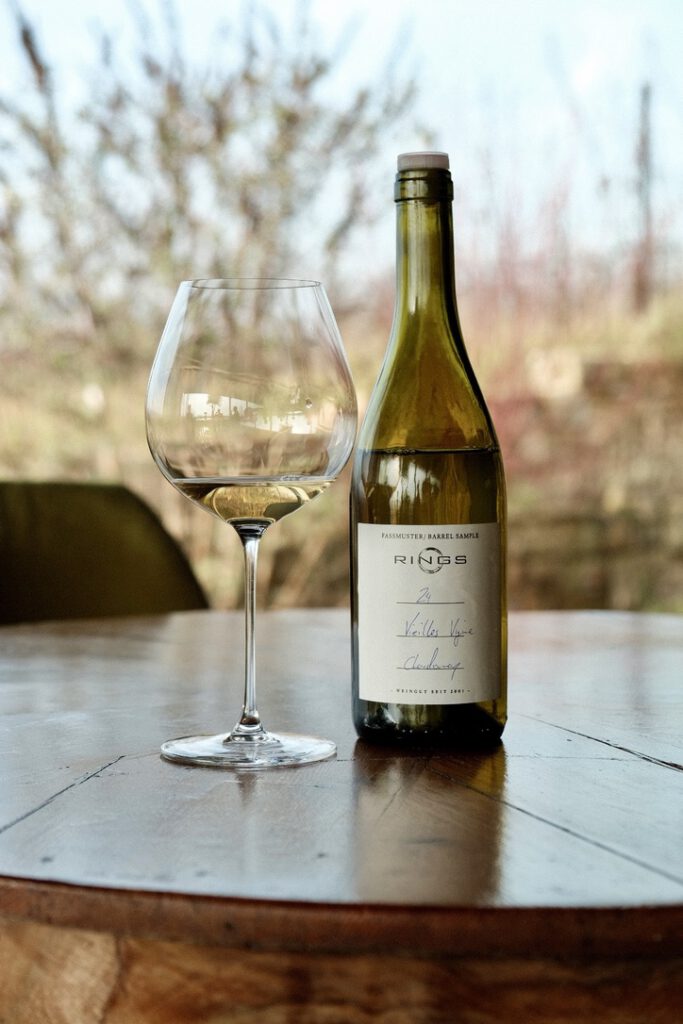
This time too, I was impressed by how meticulous, almost obsessive, Andy and Steffen are about fine tuning. It hit me most clearly with the 2024 Vieilles Vignes Chardonnay. Tiny crop. Two barrels. There is no extra room to manoeuvre. The wine thrilled me immediately. And then Andy explains, in detail, what still is not good enough for him. With a depth you only reach when you refuse to stop pushing the idea further.
In that moment, it became clear again where Rings are heading. Not just to the top in Germany, they have been there for a while. Further. International. On equal footing with the greats. You can feel that ambition. And it is real. Maybe we sometimes lack that kind of big thinking in German wine. Maybe it is not in our nature. All the more remarkable when someone chooses that path anyway.
If I ask myself today which estate in Germany has the long term potential to anchor Riesling, Chardonnay, and Pinot Noir at the highest level internationally, you cannot get around Rings. Add the Bordeaux blends on top. That breadth, at that level of quality, is incredibly rare.
And the 2025 Rieslings?
For now, I am keeping them to myself. I want to compare my impressions across the year with the bottled wines. See what holds true. What shifts. What develops in a completely different direction. And that is what I will report on.
Because sometimes it is smarter not to write everything down immediately. But to listen first.




Pictures: © The Art of Riesling – Maximilian Kaindl

